
National Guard troops patrolling neighborhoods. Law enforcement killing U.S. citizens. Racial dehumanization reaching a tipping point.
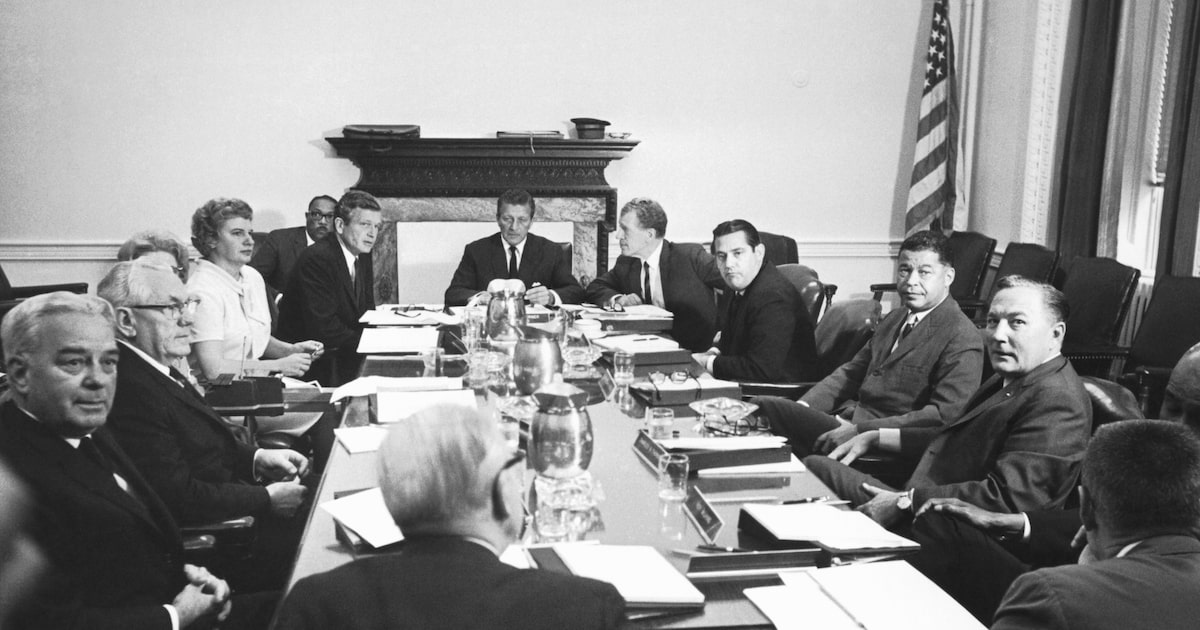
This was 1967 and race riots had unfurled across America, prompting President Lyndon B. Johnson to convene the 11-member Kerner Committee to investigate the cause of the unrest.
The violence that burned neighborhoods and injured thousands across the country 60 years ago was on another level than protests of today. But the committee’s central finding that decades of racism fueled the uprisings, and the solutions it laid out, offer lessons for a modern America that feels like it is slipping backwards, said Dallas County’s Rick Loessberg, author of Two Societies: The Rioting of 1967 and the Writing of the Kerner Report.
“It doesn’t take you very long to thumb through these pages and see what this report talks about are the things that monopolize our public conversation today,” Loessberg told an intimate crowd at The Sixth Floor Museum in Dallas on Thursday.
Political Points
In a conversation moderated by Dallas County Administrator Darryl Martin, Loessberg, who retired in 2020 as the county’s planning director, traced the Civil Rights struggles and policies initiated from the Kerner Report to the police violence, political chaos and social unrest of today.
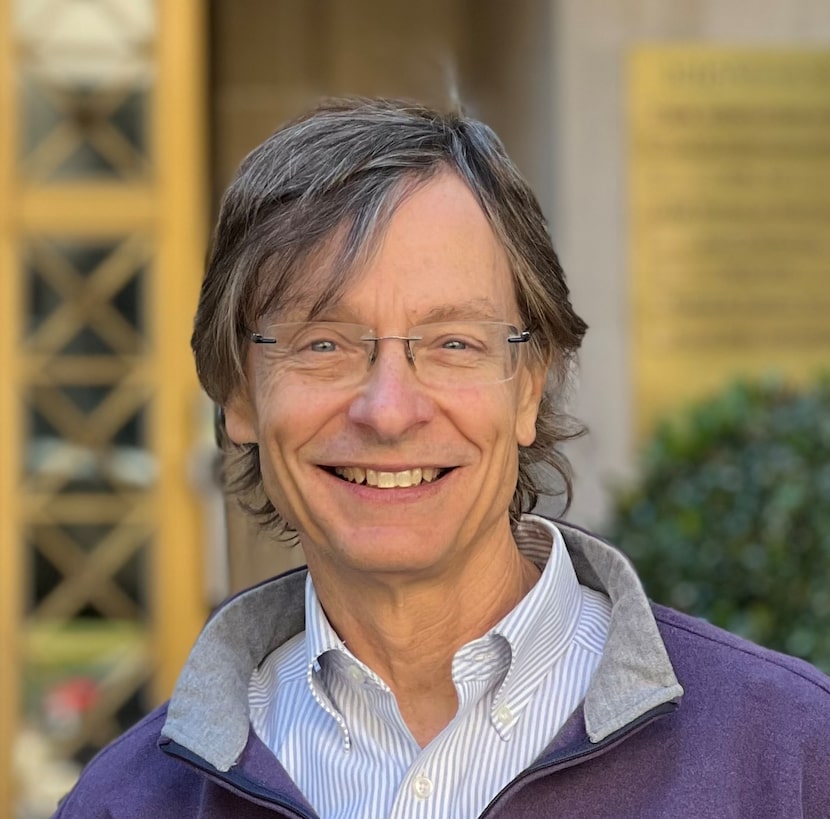
Rick Loessberg, former Dallas County planning director, wrote a book about the Civil Rights struggles and policies initiated from the Kerner Report in the 1960s and how they echo today.
Rick Loessberg
Martin was a young boy growing up in Long Island, N.Y., when the riots of 1967 were playing out in 150 cities across the country.
“A lot of people felt what’s next is probably a race war,” Martin said of the time.
By going on the ground into communities, the Kerner Committee members found the driver of such devastating unrest was not communism or criminals, as much of white America believed, Loessberg said. It was decades of inequality, segregation and dehumanization of Black Americans by white society.
The committee, made up of mostly white politicians and citizens, came to unanimous agreement on recommendations for political policies and societal change through dialogue that feels like a foreign language in today’s political climate.
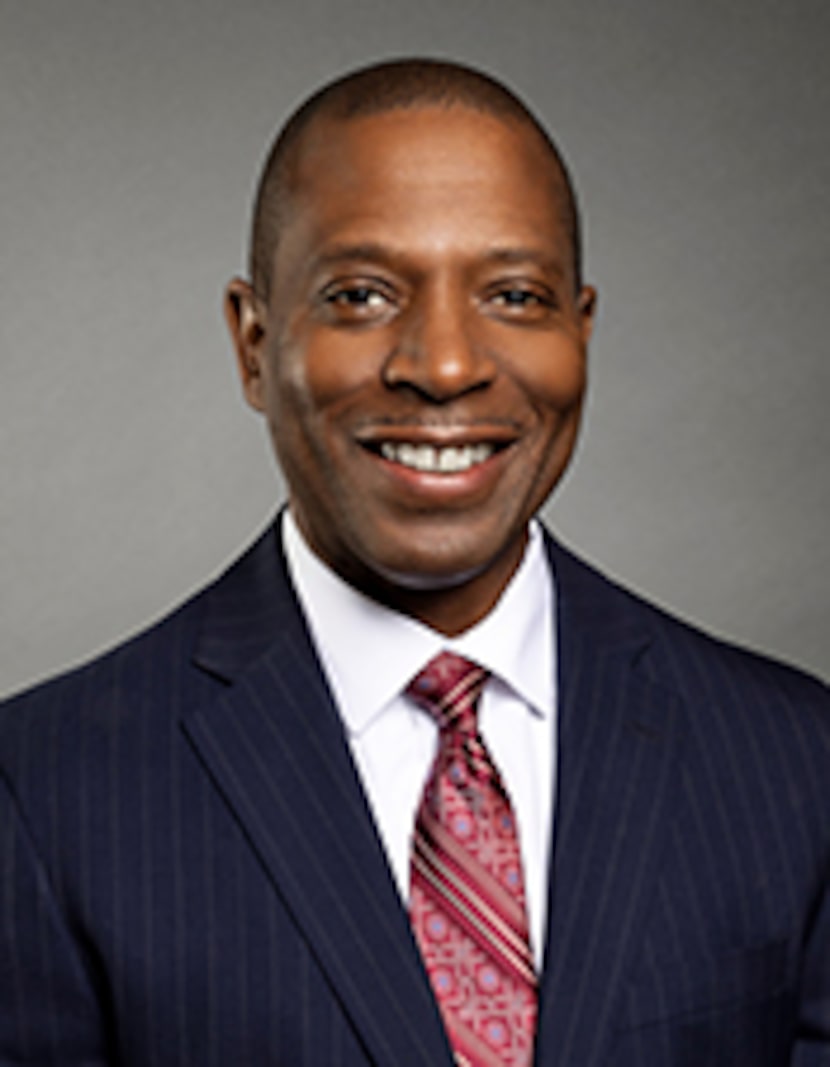
At the event Thursday, Dallas County Administrator Darryl Martin said “Walking in Black skin is still difficult in the United States.”
Dallas County
“They were committed to finding a solution,” Loessberg said. “They did not call each other racists or fascists or woke or anything like that, but they had their disagreements.”
Their efforts ushered historic change but not overnight. Welfare reform took 20 years to pass. Americans saw the Fair Housing Act of 1968 that prohibited discrimination in home sales and rentals; appropriations for two of the nation’s largest urban renewal programs; strengthening of the Equal Employment Opportunity Commission; and the diversification of local police departments.
While heavy on the need for institutional changes, one shortcoming of the report was it didn’t delve deeply into the day-to-day sting of racism, Loessberg said, making it easy for white people to say: “Well, it’s not me, I didn’t try to blow up a church in Birmingham so I’m not racist.”
Fast-forward to today. The 2020 murder of George Floyd by police in Minneapolis that sparked mostly peaceful protests across the country. A president who shares racist images on social media with few consequences. National Guard members deployed to American streets again. An immigration crackdown that has resulted in federal agents killing U.S. citizens, deporting legal residents and housing undocumented immigrants in warehouses.
“Walking in Black skin is still difficult in the United States,” said Martin, who is African American. “I still feel eyes follow me when I go in certain stores, it’s just the way it is.”
One recommendation of the Kerner Report was that if the National Guard were to be deployed, they need to be trained. It evokes other lasting questions, Loessberg asked, like: How do you account for our racial past without denigrating the Founding Fathers? How do you criticize police without appearing to condemn all police?
With all the progress made over the decades, Martin said it can still feel like America consistently takes steps back. Is it going to get better, he asked?
Being an American means being an optimist but not being passive, Loessberg said. It means voting not just in national elections but for local and school officials too. Difficult times have happened before but “we survived,” Loessberg said.
“If nothing else, the last few years should remind us rights are never given, they have to be demanded,” Loessberg said. “You can’t take them for granted because people will take them away from you.”