
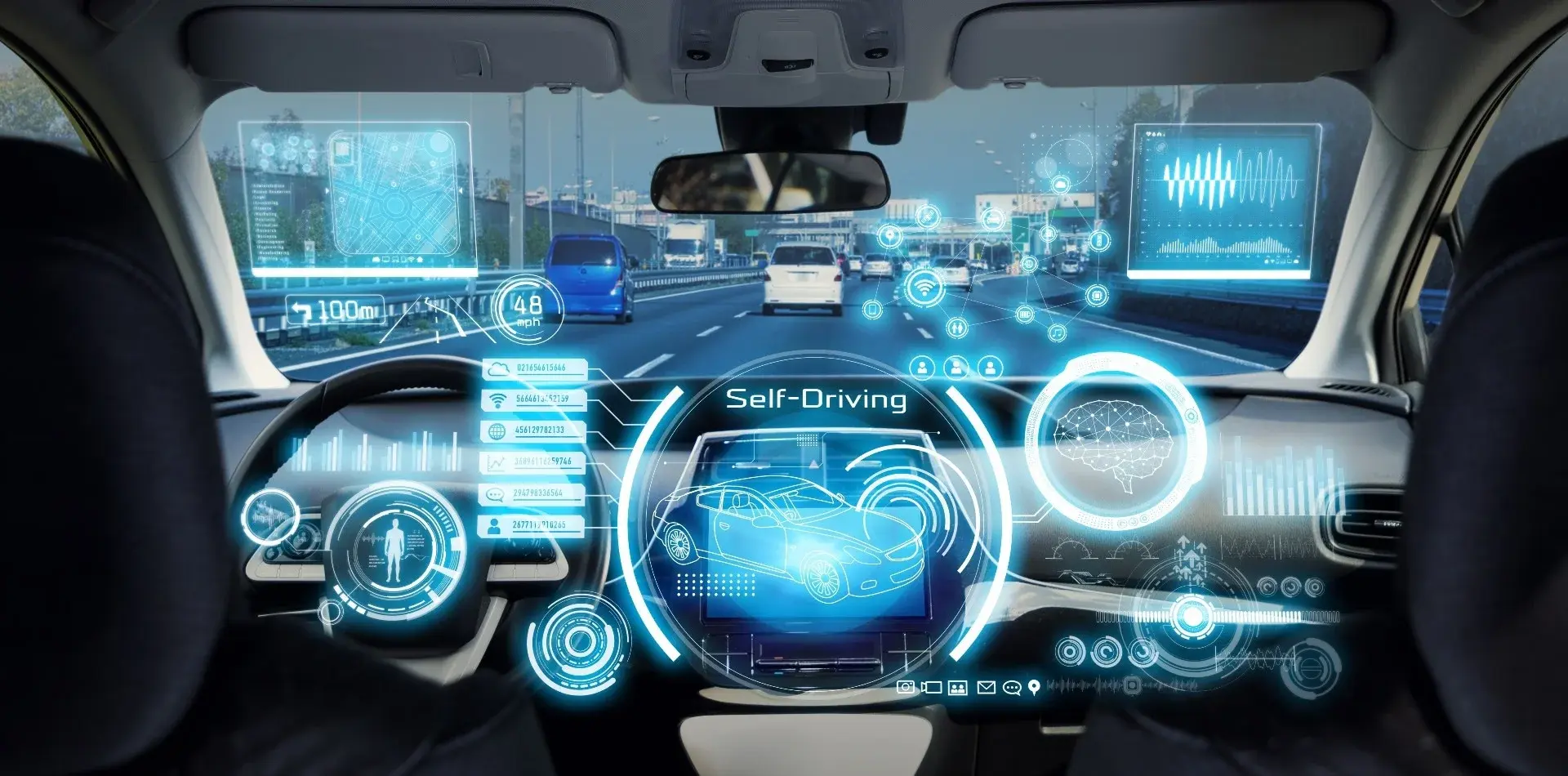
Self driving technology expands across Austin Texas in 2026.
Regulators and automakers accelerate testing under strict oversight.
Safety, liability and infrastructure remain central to the debate.
Austin, Texas — February 23, 2026 — Brussels Morning Newspaper observes that self driving technology has entered a decisive expansion phase across central Texas, positioning Austin as one of the most closely watched mobility laboratories in the United States. State regulators, global automakers and technology firms are converging on the city to refine safety protocols, expand pilot programs and assess long term economic impact.
This year represents more than incremental progress. It reflects a strategic turning point in transportation development. Controlled deployment zones, enhanced digital mapping systems and strict oversight frameworks now define how automated vehicles operate on public roads.
Austin’s blend of innovation driven workforce, supportive policy climate and diverse roadway conditions has made it an ideal proving ground. Industry observers note that the city’s growth trajectory mirrors the broader transformation occurring across the automotive sector.
Regulatory Momentum Strengthens Oversight Frameworks
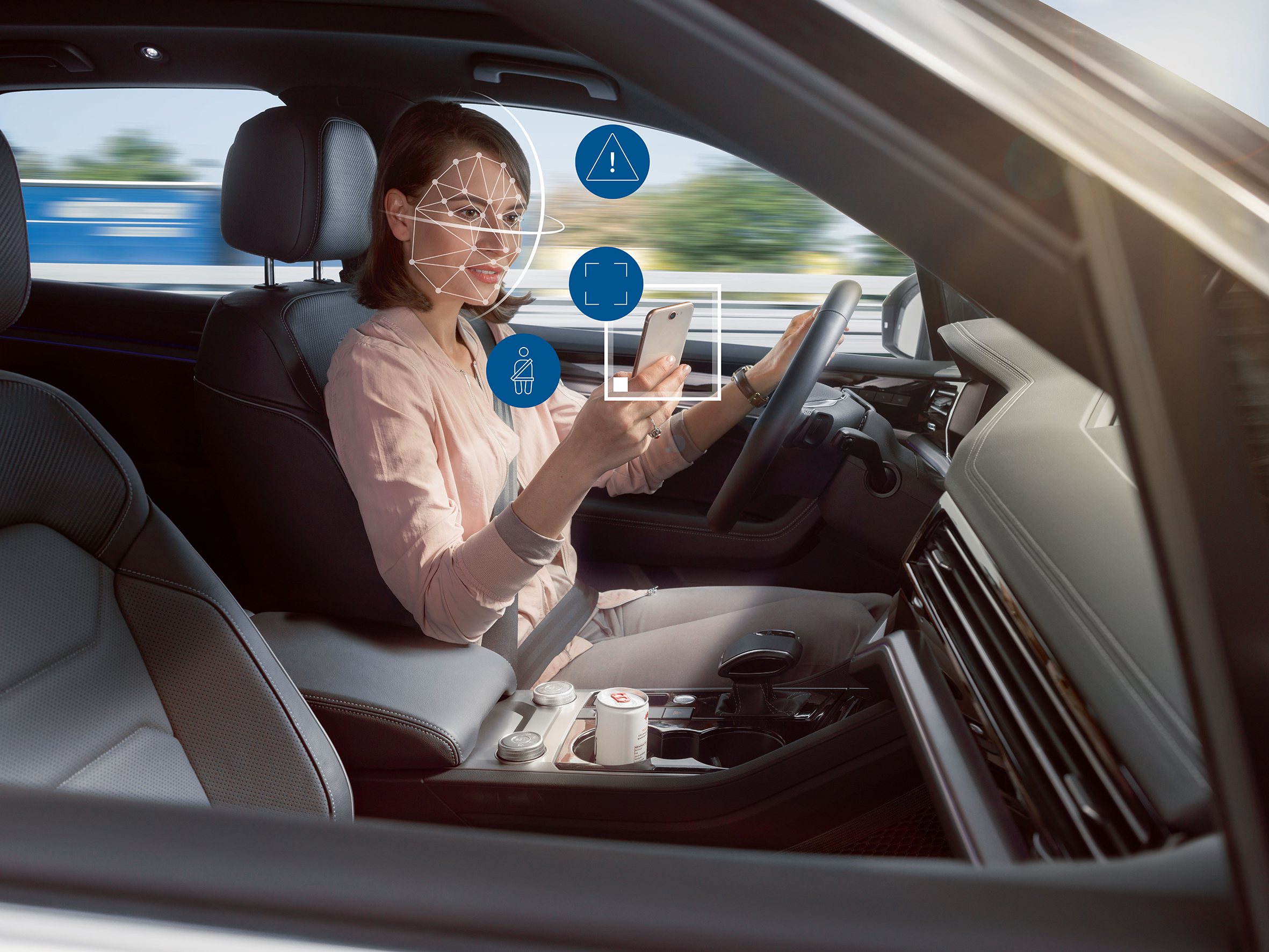
State and federal agencies have intensified collaboration in 2026 to create transparent guidelines governing automated vehicles. Certification processes now require detailed disclosure of operational design domains, sensor redundancy architecture and real time driver monitoring capabilities.
Self driving technology is authorized only within clearly defined parameters. Highway corridors and mapped urban routes serve as primary activation zones. Outside these boundaries, human supervision remains mandatory.
A senior transportation official in Texas stated,
“Innovation must advance responsibly, and our priority is to ensure that every automated system operating on public roads meets rigorous safety standards.”
The regulatory framework in Austin emphasizes accountability without stifling technological development. Authorities require frequent performance submissions, including disengagement statistics and safety incident analyses.
Industry Investment Intensifies in Central Texas
Automotive manufacturers and technology firms are investing billions in research facilities, data centers and testing fleets throughout the region. Austin’s established technology ecosystem provides access to software engineers, robotics specialists and artificial intelligence researchers.
Self driving technology has become central to corporate strategy. Automakers are integrating advanced automation systems into premium electric vehicle models, positioning these features as long term differentiators in a competitive market.
Economic development agencies in Texas report increased job creation tied to sensor manufacturing, software validation and cybersecurity infrastructure. Partnerships between universities and private industry are accelerating algorithm refinement and simulation testing.
Safety Performance and Public Accountability
Public scrutiny has intensified alongside visible expansion. Safety advocates emphasize that transparency remains essential to sustaining community trust. Companies operating in Austin publish regular performance updates detailing miles driven and instances requiring human intervention.
Self driving technology systems now rely on multilayer sensor arrays, including radar, lidar and high resolution camera networks. Artificial intelligence processors analyze environmental inputs in milliseconds, adjusting steering, braking and acceleration accordingly.
Despite technological advances, experts caution that transition moments between automated control and human intervention remain sensitive. Training programs for drivers participating in pilot initiatives focus heavily on maintaining readiness during extended automation.
Legal Clarity and Evolving Insurance Models
Liability remains one of the most complex aspects of automated mobility. When a vehicle operating under automation is involved in a collision, investigators review system logs, sensor data and driver monitoring records.
Self driving technology introduces a hybrid accountability model. Manufacturers may assume responsibility for system malfunction within approved conditions, while drivers remain accountable for misuse or operation outside defined parameters.
Insurance providers are adapting rapidly. Policies now account for automation engagement levels and may incorporate dynamic premium adjustments based on usage patterns. Legal scholars anticipate that precedent setting cases in the coming years will further refine liability standards.
Urban Infrastructure Transformation in Austin
Austin city planners are evaluating infrastructure upgrades to support automated deployment. Smart traffic signals capable of communicating with vehicles are under consideration along major corridors. Enhanced lane markings and digital mapping precision contribute to safer automation performance.
Self driving technology also influences parking demand and traffic flow projections. Urban economists suggest that autonomous fleets could eventually reduce private vehicle ownership in dense districts, reshaping land use strategies.
City officials are studying how automation integrates with public transit systems. Coordinated mobility platforms may combine buses, rideshare services and automated shuttles to optimize congestion management.
Economic Ripple Effects Across Texas
Automation expansion has triggered secondary economic activity. Data analytics firms, cybersecurity specialists and hardware manufacturers are establishing operations near Austin’s technology corridor.
Self driving technology investment supports regional competitiveness in artificial intelligence development. Venture capital funding for mobility startups has increased as investors seek exposure to automation related innovation.
Local universities have launched research initiatives focusing on robotics, machine learning and transportation ethics. Workforce training programs are adapting curricula to reflect growing demand for software driven automotive expertise.
Consumer Trust and Behavioral Shifts
Public sentiment in Austin reflects cautious optimism. Many residents express enthusiasm for reduced commute stress and enhanced roadway efficiency. However, skepticism persists regarding full autonomy capabilities.
Educational outreach campaigns have expanded. Automakers host demonstration events to clarify system boundaries and reinforce responsible use guidelines.
A transportation researcher at a local university noted,
“Public confidence grows when transparency and measurable safety improvements accompany each new deployment phase.”
Building trust remains fundamental to long term adoption. Transparent communication about operational limits reduces risk of misuse and overreliance.
Cybersecurity and Data Governance
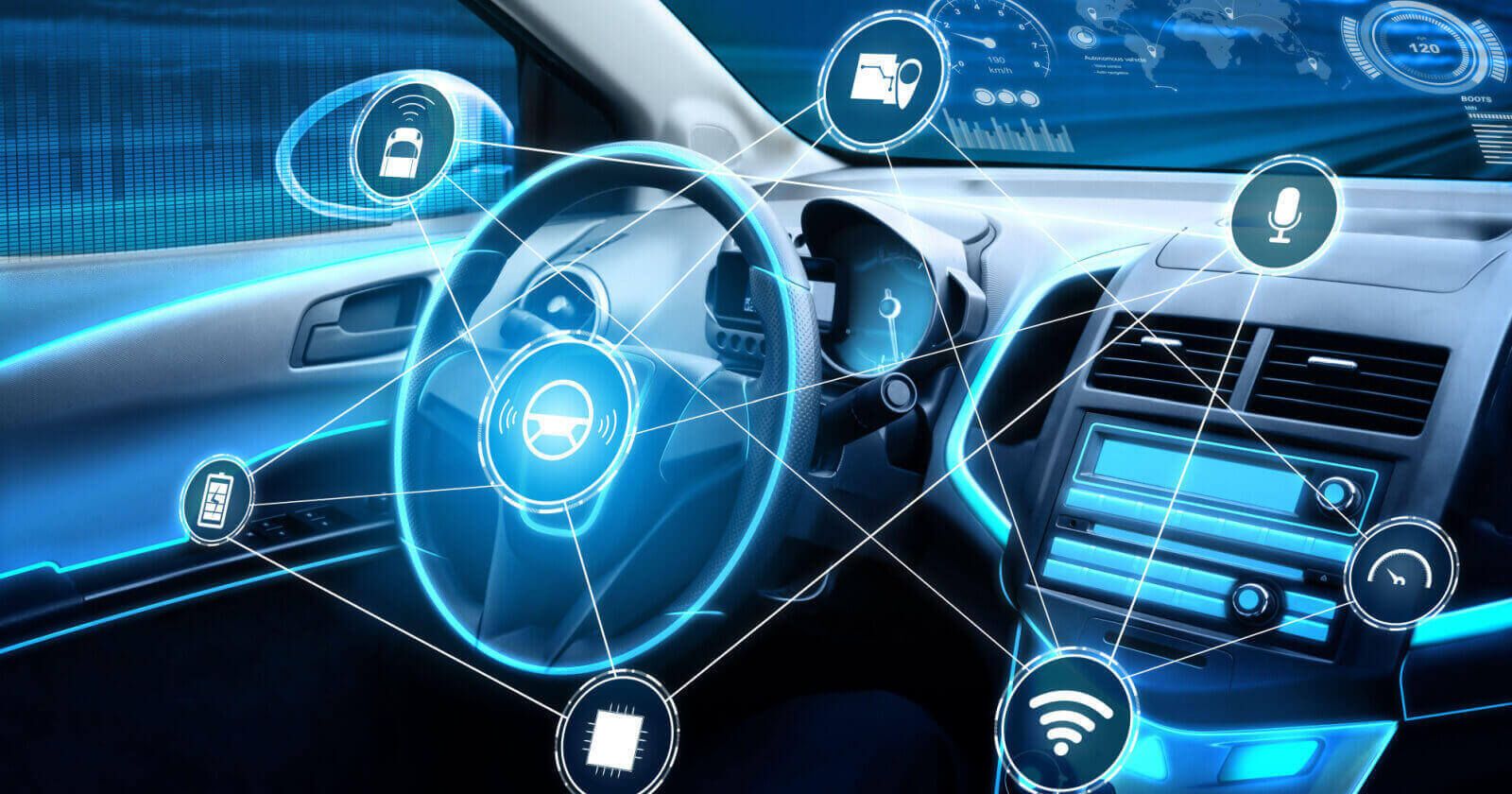
As connected vehicles generate extensive operational data, cybersecurity safeguards have become paramount. Encryption protocols protect vehicle to cloud communication channels. Real time anomaly detection systems monitor potential intrusion attempts.
Self driving technology depends heavily on continuous mapping updates and sensor calibration. Protecting these data streams from tampering is essential for maintaining operational integrity.
Regulatory agencies in Texas are evaluating standardized cybersecurity certification procedures to ensure consistent protection benchmarks. Data privacy policies require clear disclosure regarding storage duration and usage purposes.
Environmental and Sustainability Implications
Automation may contribute to smoother traffic flow and reduced fuel consumption. Optimized acceleration and deceleration patterns decrease unnecessary energy expenditure.
Self driving technology integrated with electric vehicles aligns with broader climate objectives. Austin officials have incorporated automation considerations into sustainability planning initiatives.
Researchers continue studying whether widespread adoption will significantly reduce congestion or encourage increased vehicle miles traveled. Environmental impact assessments remain ongoing.
Competitive Landscape and National Implications
Austin’s automation ecosystem reflects broader national competition. Several U.S. states are vying to become dominant hubs for automated vehicle development.
Self driving technology advancement in Texas influences federal regulatory discussions and industry standards. Interoperability between states will determine whether cross border automated travel becomes feasible.
National policymakers monitor Austin’s progress as a case study in balancing innovation with public oversight. Successful deployment here may shape future federal guidance.
Historical Evolution of Automated Driving
The path toward automation began with early cruise control systems decades ago. Over time, adaptive cruise control, lane keeping assistance and collision avoidance technologies laid the foundation for conditional automation.
Self driving technology now represents the convergence of advanced sensors, high performance computing and machine learning algorithms. Austin’s 2026 deployment builds upon years of incremental progress and regulatory experimentation.
From isolated research prototypes to controlled public road testing, automation has evolved through careful validation and iterative refinement.
Ethical Considerations in Algorithm Development
Engineers must program automated systems to prioritize safety across unpredictable traffic scenarios. Ethical guidelines address decision making processes during unavoidable collision situations.
Self driving technology developers collaborate with ethicists and legal experts to establish consistent behavioral standards. Transparency regarding algorithm logic strengthens public trust.
Academic institutions in Austin are contributing to research examining fairness, bias mitigation and human machine interaction dynamics.
Workforce Transformation and Education
Automation reshapes employment patterns within the automotive sector. Demand for software engineers, sensor specialists and cybersecurity analysts continues to rise.
Self driving technology has prompted universities in Texas to expand programs in robotics and artificial intelligence. Technical colleges are introducing certifications in automated vehicle maintenance and diagnostics.
Workforce adaptation will influence how quickly the region capitalizes on automation driven growth opportunities.
Media Scrutiny and Public Dialogue
Automation initiatives in Austin receive sustained media attention. Public forums and policy conferences provide platforms for debate and information sharing.
Self driving technology discussions emphasize both opportunity and responsibility. Industry leaders highlight safety milestones, while community advocates demand accountability and equitable deployment.
Constructive dialogue contributes to balanced policy outcomes and informed public understanding.
Long Term Outlook Beyond 2026
Industry analysts predict phased expansion rather than rapid universal adoption. Conditional automation will likely expand first along controlled highway corridors before broader urban integration.
Self driving technology remains dependent on continuous safety validation and regulatory clarity. Austin’s experience may serve as a blueprint for other metropolitan regions exploring similar initiatives.
The coming decade will determine whether automation becomes a standard feature across most vehicles or remains concentrated in specific mobility services.
A City at the Forefront of Transportation Transformation
Austin’s 2026 automation initiatives underscore the delicate balance between technological ambition and societal responsibility. Policymakers, engineers and residents are collectively shaping a new chapter in mobility governance.
Self driving technology stands at the intersection of innovation, accountability and public expectation.
The frameworks established in Austin this year may influence national transportation policy and global mobility standards for years to come. As deployment continues under measured oversight, the city’s role as a proving ground remains firmly established.