
Home » Airline News of US » US Passengers Amid Severe Travel Chaos as Dallas Fort Worth International Airport Faces 67 Flight Cancellations and 204 Delays by United, Delta, American Airlines and others, New Update
Published on
February 23, 2026
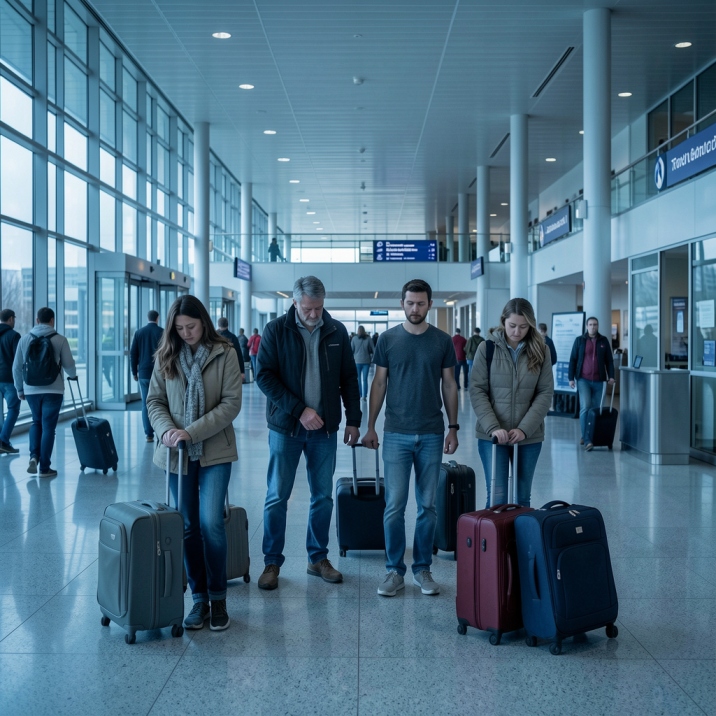
Image generated with Ai
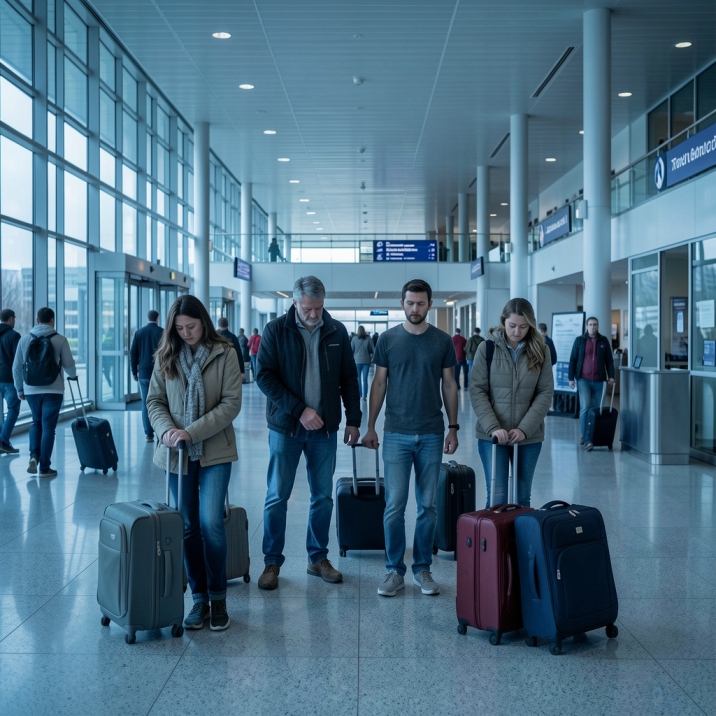
Major operational hurdles are currently disrupting air travel across the US, specifically impacting those passing through North Texas. Dallas Fort Worth International Airport serves as a vital artery for domestic and international connections. However, passengers now face significant “travel chaos” as the facility manages nearly 300 combined flight irregularities. American Airlines, which utilizes the airport as its primary global hub, has been forced to scrap dozens of departures. While a powerful storm tracks along the East Coast, the local issues in Dallas and Fort Worth stem from internal logistical challenges and a sharp shift in regional temperatures. These disruptions leave thousands of travelers stranded in terminals while carriers scramble to reset their schedules. There’s a total of 67 flight cancellations and 204 delays reported. Consequently, the ripple effect of these delays is felt throughout the entire US aviation network. Understanding the scope of this situation is essential for anyone currently navigating travel through this busy metropolitan corridor.
As a primary gateway for international and domestic travel, Dallas Fort Worth International Airport often serves as a barometer for the health of the American aviation network. When DFW faces a high volume of disruptions, the impact is felt far beyond the borders of Texas. Today, the facility has seen nearly 300 total flight irregularities, a figure that includes both mainline carriers and regional partners.
The logistical strain at the airport is exacerbated by the broader weather patterns affecting the US. While North Texas is experiencing its own temperature drop, the formation of a major winter storm off the Carolinas and the subsequent blizzard warning for New York City have forced a preemptive halting of flights connecting the South to the Northeast. For many US travelers, Dallas was intended to be a mere connection point, but the current travel chaos has transformed the airport into a temporary encampment for those awaiting rebooking.
The burden of today’s cancellations and delays is shared among several prominent carriers, with American Airlines bearing the most significant load. Given that DFW serves as a primary hub for the airline, its operations have been hit with 49 cancellations and 120 delays. This represents a substantial portion of the airline’s daily schedule through the Dallas-Fort Worth metroplex.
Advertisement
Advertisement
Other major players in the US aviation sector are also grappling with the fallout:
Delta Air Lines: 9 cancellations and 16 delays.United Airlines: 4 cancellations and 5 delays.Spirit Airlines: 3 cancellations and 6 delays.JetBlue: 2 cancellations and 0 delays.
Beyond these specific figures, delays were being experienced by several other Airlines, like Envoy Air, Southern Airways Express, Frontier Airlines, PSA Airlines, SkyWest Airlines and more.
Advertisement
Advertisement
These figures underscore the wide-reaching nature of the current disruption. While budget carriers like Spirit and JetBlue have fewer total flights at the hub compared to American, their passengers often face longer wait times for recovery flights due to lower fleet frequencies on specific routes.
The abrupt shift from pleasant warmth to colder February weather, combined with the flight disruptions at the airport, is expected to have a cooling effect on local tourism. Dallas and Fort Worth are typically popular destinations for late-winter getaways, offering a blend of cultural districts and outdoor attractions like the Dallas Arboretum or the Fort Worth Stockyards.
Advertisement
Advertisement
With 67 flights cancelled and over 200 delayed, the influx of visitors to these attractions is temporarily stalled. Local hospitality sectors, including hotels and restaurants in both Dallas and Fort Worth, may see a surge in last-minute bookings from stranded passengers, yet a corresponding decrease in scheduled arrivals from the Northeast. Furthermore, the first blizzard warning in New York City in nine years means that a vital tourism pipeline between the East Coast and Texas has been effectively severed for the duration of the storm.
For those currently caught in the travel disruptions at Dallas Fort Worth International Airport, several immediate steps are recommended by aviation experts and Department of Transportation (DOT) guidelines.
Verify Refund Eligibility: Under US federal law, passengers are entitled to a full refund if their flight is cancelled by the airline and they choose not to travel. This applies even if the ticket was non-refundable.Monitor Mobile Applications: Most carriers, including American and Delta, are proactively issuing weather waivers. Passengers are encouraged to use airline apps to rebook themselves, as these platforms often reflect real-time seat availability faster than airport kiosks.Check for Vouchers: While airlines are not legally required to provide hotel or meal vouchers for weather-related “uncontrollable” delays, many major carriers will offer them as a courtesy if the delay is prolonged or becomes a “controllable” crew issue.Explore Alternative Transport: With the I-95 corridor on the East Coast facing major impacts, travelers may need to consider rerouting through western or southern hubs to avoid the nor’easter’s path entirely.
As the winter storm continues to develop off the Carolinas, the situation at Dallas Fort Worth International Airport remains fluid. Passengers are advised to remain in close contact with their respective airlines and prepare for the possibility of further schedule adjustments as the US aviation network works to recover from this mid-February weather event.
-The information provided is sourced from FlightAware.
