
A leader key to the development of Tesla Inc.’s Cybercab is leaving the company just weeks ahead of the scheduled start of production.
Victor Nechita, vehicle program manager for the product CEO Elon Musk has said is a key to the company’s future, is departing after almost six years at the Austin automaker. His exit comes with Tesla working toward an April deadline to begin producing the purpose-built robotaxi.
“Leading the team through the development of Cybercab has been a humbling experience, watching so many dedicated individuals develop a product that has pushed the boundaries of efficiency, safety, and affordability,” Nechita said in a LinkedIn post. He added gratitude for “the leaders who trusted me with these programs.”
At Tesla, a vehicle program manager’s duties can include defining vehicle specifications, developing product business cases, communicating program direction and negotiating program schedules, according to a job description for the role on its Semi vehicle.
The company did not respond to a request for comment on Nechita’s exit. But his departure follows that of a fellow vehicle program manager — Model Y leader Emmanuel Lamacchia — along with several other executives and company veterans who bowed out in recent months.
Other high-profile exits last year included David Lau, vice president of software engineering; Siddhant Awasthi, program manager for Cybertruck and Model 3; and Jenna Ferrua, North American director of human resources. The list continues with head of battery architecture Vineet Mehta and Milan Kovac, who was vice president of the Optimus humanoid robotics program.
Omead Afshar oversaw Tesla’s manufacturing and operations in North America and Europe until he was fired last summer by Musk.
Currently, Tesla uses Model Ys for a relatively small, human-monitored robotaxi fleet that has been involved in 14 crashes in Austin since starting operations in June. Cybercab could soon be part of the mix.
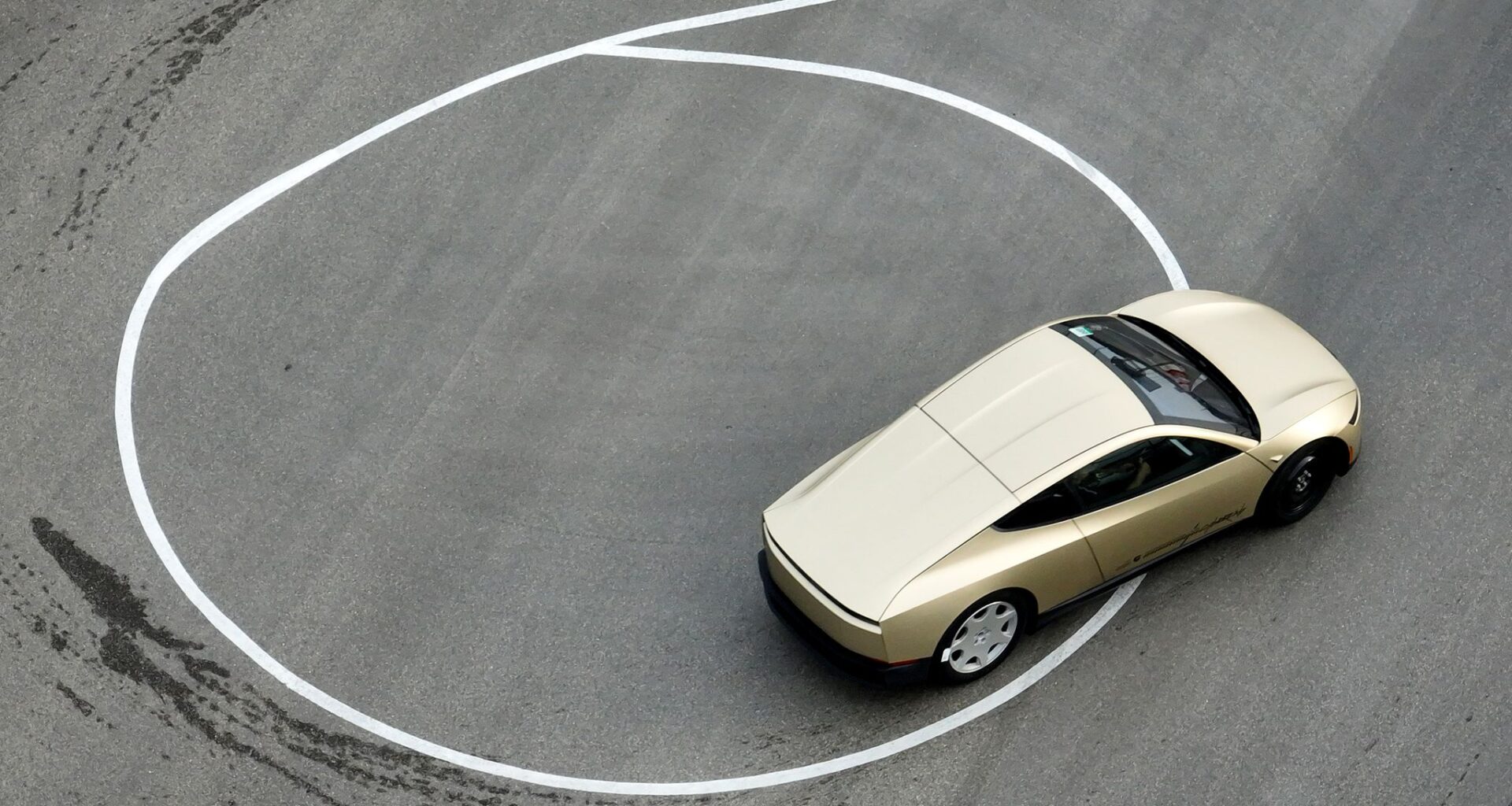
Late last week, Cybercabs were seen on the test track at Gigafactory Texas, including one with a human in the front passenger seat and no rearview mirrors. It was unclear if the prototypes had steering wheels or control pedals, though Musk says the cars will be fully autonomous, built with no controls. Another company official has said it could be built with driver controls as Tesla’s entry-level EV.
Nechita didn’t specify where he was headed, but said he plans to “start a new chapter on the east coast.”