
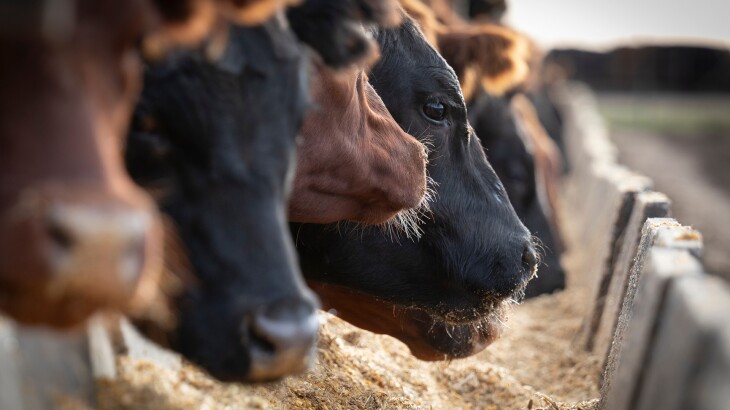
LUBBOCK, TEXAS (RFD NEWS) — The long-term closure of the U.S.-Mexico border due to the ongoing threat of New World Screwworm is adding pressure to an already tight U.S. cattle supply, creating ripple effects across feedyards, rural communities, and the broader beef supply chain. One of the latest signs of that strain is the announced closure of Lubbock Feeders, which is shutting its doors after more than 70 years in operation due to limited cattle availability and rising costs.
Laphe LaRoe, with the Texas Cattle Feeders Association, joined us on Friday’s Market Day Report to discuss the significance of the closure and what it signals for the future of the Texas cattle industry.
In his interview with RFD NEWS, LaRoe said the announcement, while difficult, was not entirely unexpected given the prolonged border closure and shrinking cattle numbers. He explained that feedyards depend on consistent throughput, and when supplies tighten and margins thin, even long-established operations can be pushed to the breaking point.
He also emphasized the broader economic impact feedyards have on rural America, comparing them to manufacturing plants that anchor entire local economies. From trucking and feed suppliers to veterinarians and local businesses, LaRoe noted that the loss of a feedyard can be devastating for surrounding communities.
Beyond border restrictions, LaRoe pointed to additional challenges facing cattle feeders, including historically tight herd numbers, rising input costs, and uncertainty tied to animal health concerns such as New World screwworm. He also raised concerns about Mexico’s investment in expanded packing infrastructure, warning that some cattle flows and business relationships may not return to the U.S. once lost.
Looking ahead, LaRoe cautioned that infrastructure losses are difficult to rebuild and said the industry could see more closures if conditions do not improve. He added that prevention and monitoring efforts related to screwworm remain a critical focus for producers and regulators across the region.

ESA removal reduces regulatory exposure for ranchers.
February 27, 2026 10:55 AM
·

U.S.-Mexico agricultural trade faces uncertainty in 2026 as tariffs and cartel violence threaten farmers and ranchers. Congressman Henry Cuellar and Texas leaders weigh in on impacts and risks.
February 27, 2026 09:00 AM
·

Stable blending demand continues to underpin corn use despite export volatility.
February 27, 2026 06:00 AM
·

USDA headquarters downsizing reflects cost pressures and may reshape agency operations.
February 26, 2026 03:45 PM
·

Farm Bureau economist Danny Munch explains the importance of timely enrollment, and how the program helps dairy producers safeguard their operations against volatile milk markets.
February 26, 2026 02:25 PM
·

The Ranger Road Fire is fully contained after burning nearly 300,000 acres. Ranchers face significant cattle and fence losses, with recovery efforts underway.
February 26, 2026 01:04 PM
·