
EL PASO, Texas (KVIA) — Chris Clem is a former U.S. Border Patrol Chief Patrol Agent and a former Deputy Chief Patrol Agent in the El Paso Sector; he also served as the acting Chief in the Big Bend Sector.
In El Paso, he spent over 17 years as Chief and Deputy Chief, both before and after leaving the Big Bend Sector.
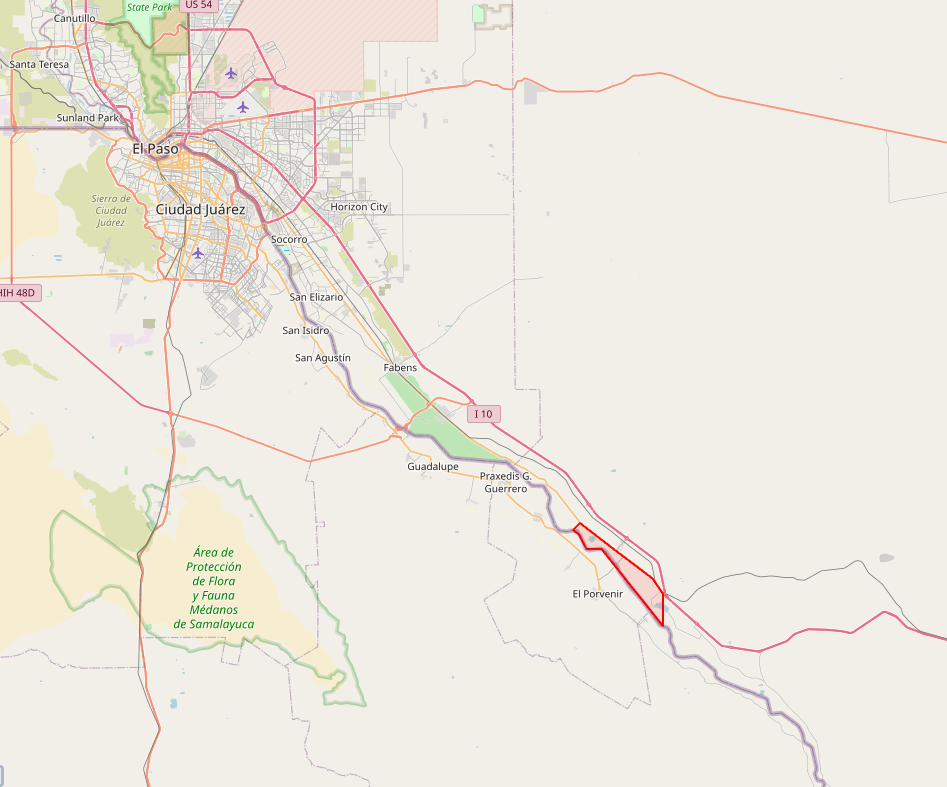
The U.S. Department of War reportedly shot down a CBP drone in the Fort Hancock area of the border, which is in Hudspeth County near the edge of El Paso County.
“Drone operations were just beginning from the law enforcement side; we were just kind of experimenting with that when I was the Deputy Chief,” Clem said. “However, we were aware of drones on the south side being used to survey and cross the border to look for Border Patrol assets.”
At one point, Clem says they partnered with UTEP as a center of excellence to examine the drone threat and situation in El Paso.
“We have seen drones from video, raw video footage in Mexico, on cartels using that for explosive devices against other cartel members, so the potential threat is there,” Clem said. “I can tell you from my time as chief in Yuma, Arizona, where we encountered drones carrying small amounts of narcotics across the border from rooftop to backyard.”
For Clem, it’s clear that these situations and activities happen a lot along the U.S.-Mexico border, which is why the Department of Homeland Security (DHS) and Customs and Border Protection (CBP) are working with the Department of Transportation (DOT) and the Department of War (DOW) on a more advanced counter-drone system for the border.
“For the longest time, at least that I can recall, most of that was dealt with by Customs and Border Protection and the FAA,” said Clem. “We didn’t work necessarily, at least I was not aware of, or I don’t recall us working directly with the military on the border with the counter-drone, but now I do know that has since changed under the current administration and obviously we wouldn’t be talking about it if it hadn’t happened over the last few weeks.”
Retired Border Patrol Chief Clem also spoke about concerns communities like El Paso have over possible drone cartel threats in the region, “We’re talking to El Pasoans who know that when you have a secure border, it is healthy and safe for both sides, whether you’re in Juarez or El Paso, when people can go back and forth freely without fear, when commerce and trade and travel, when you can just go across and have a nice dinner with your family and not worry, because we’ve had a secure border; that’s what we need to look at.”
“This is what these little hiccups are along the way; they’re disruptive, but at the end of the day, we’re looking for that safe and healthy border environment, and I think we’re well on our way. I would just encourage El Pasoans to continue to live their day and just be mindful of events. They’re well-experienced and know how things can happen quickly at the border.”
Clem also said that after the first aerospace shutdown in El Paso weeks ago, it seemed a little excessive for an isolated incident, but the federal government also had other classified information that wasn’t shared with the public.
“But then with this most recent one, I really thought, okay, we don’t want to be a pattern, right? We’ve got two incidents; there’s clearly a communication issue that needs to be resolved,” Clem said. “The threat is not going to be suspended; the bad guys (cartels) are not going to stop sending drones over the border because we are having a safety shutdown, so I imagine operations will continue, with a little bit more oversight, and decisions will probably have to be second- and third-order approvals before they fire off any kind of system.”
ABC-7 reached out to Joint Task Force-Southern Border (JTF-SB) for comment; they redirected us to the Pentagon for any follow-up questions. ABC-7 also reached out to the offices of Congressman Tony Gonzales and Congresswoman Veronica Escobar for comment; they have not responded to our request.