
If you are wondering where to find a good example of how important the simple wheat grain once was to Fort Worth, go to a museum.
In this case, architect Louis Kahn’s iconic Kimbell Art Museum — which has a design that features cycloid barrel vaults reflecting the grain silos and Egyptian granaries.
While the art aficionados swooned with flowery words about the design at its opening in October 1972, few realized Kahn’s architecture plan for the museum was no simple design choice meant to “wow” the snooty critics from both coasts.
The namesake family of museum had built their fortune on wheat, explains TCU history professor Rebecca Sharpless. Her upcoming book “People of the Wheat” explores the history of the grain and its importance to North Central Texas.
“People just don’t have any idea that the Kimbell empire started with flour and wheat,” she said.
The Kimbell Milling Co. was owned by Kay Kimbell, a businessman and a patron of the arts who died in 1964 at 77. Kimbell, and his wife Velma, began collecting art in 1931 and amassed a multimillion-dollar collection that formed the basis of the future museum. The Kimbells were also big supporters of nonprofits, in particular the Edna Gladney Home, now the Gladney Center for Adoption.
At the time of his death, Kimbell was head of more than 70 corporations, including flour, feed and oil mills, an insurance company, a wholesale firm and the Buddies food market chain —– the H-E-B of its day.
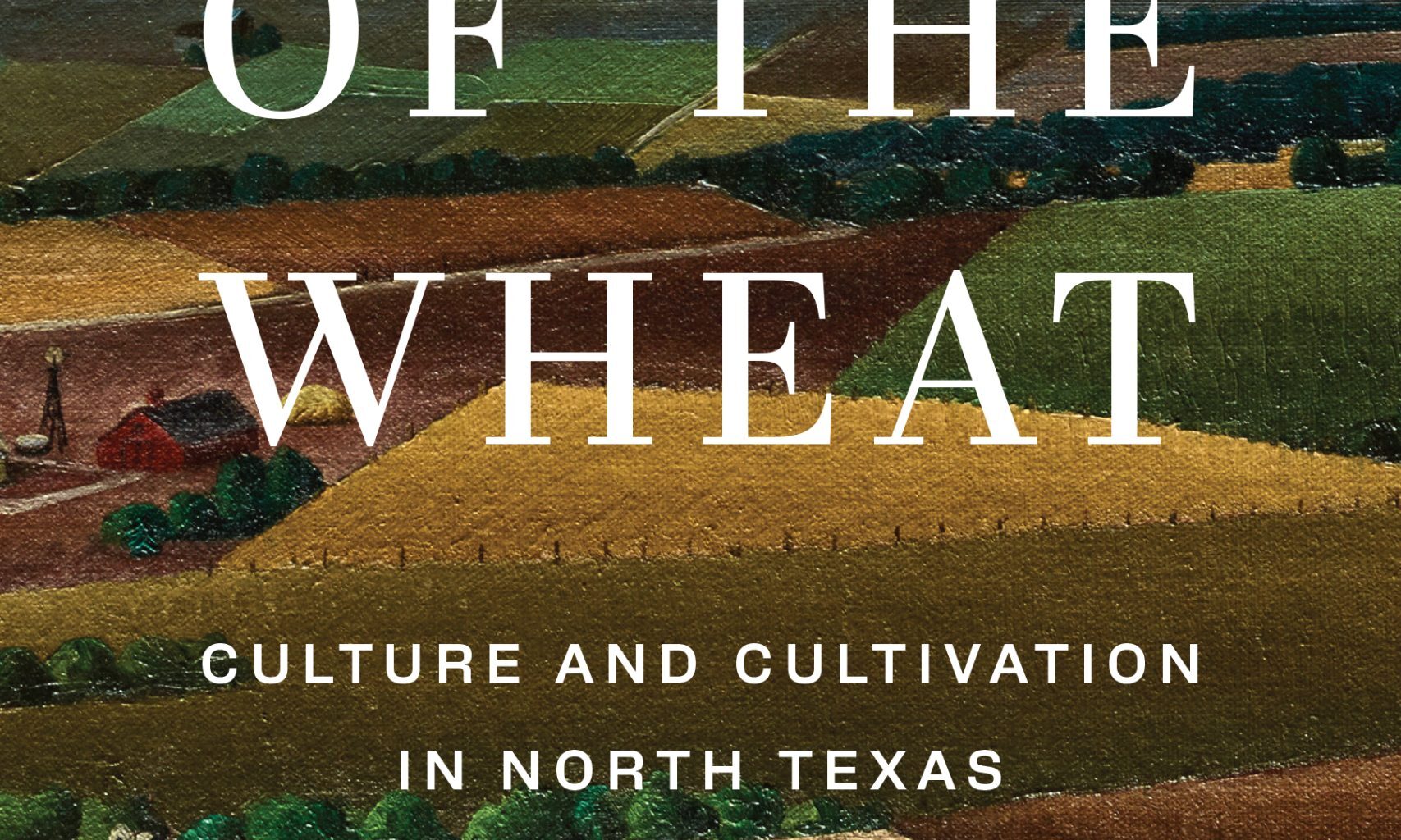
“People of the Wheat: Culture and Cultivation in North Texas” by Rebecca Sharpless. (University of TexasPress, 2026.) For more information, go here.
At his death, he left instructions to construct a museum that resulted in the world-renowned Kimbell Art Museum.
“But it all began with wheat,” Sharpless said.
The book, from University of Texas Press, will publish on March 10.
“For most of us, America’s amber fields of grain lie in the country’s center — in Kansas, Nebraska — but for more than a century, they also grew across North Texas,” she said.
Sharpless got the idea for the book shortly after she moved to Fort Worth in 2010.
“We were out and about, and I saw those grain elevators in Saginaw and thought, ‘What are those doing here?’ That’s how I got started,” she said.
But first she published a book related to wheat, “Grain and Fire:
A History of Baking in the American South,” which looks at the southern baking tradition.
Along with the Kimbell Art Museum, where Sharpless begins her story, Fort Worth has massive grain elevators, most now empty and unused, that remain along railroad tracks.
Grain elevators and huge silos still tower over the landscape. Built to be indestructible, they dominate parts of every North Texas city, concrete artifacts of a mostly forgotten industry, she said.
Built in the first half of the 20th century, these concrete grain elevators sprang from the North Texas prairies.
The grain elevators at the Kimbell Milling Company that still tower in south Fort Worth were built in 1924. Kay Kimbell had asserted at the time that they were the largest elevators in the U.S. outside of Chicago and Kansas City, Sharpless said.
Wheat was not a natural crop for the region. The area originally consisted of prairie grasses that adapted to maximize precious moisture, such as bluestem, little bluestem, Indian grass, switchgrass and side oats.
“Much of that is gone now, but you can still see remnants of that prairie at Tandy Hills Natural Area on the city’s eastside,” Sharpless said.
Throughout the 1840s, most people in North Texas ate mainly corn. The grain grew easily and was easily harvested.
But the white settlers of the region, many from the upper south, were accustomed to wheat and — more particularly — its use to make high-quality bread, pie crusts and rudimentary cakes, Sharpless said.
They soon discovered that grain could flourish in North Texas, Sharpless said.
Fort Worth and other areas in North Texas quickly built an economy that included wheat in fields, mills and kitchens.
The largest mill in North Texas before the Civil War was owned by Julian Feild and Ralph Man in Tarrant County. The duo built the first flour mill in Tarrant in 1856 on land owned by Feild on the Clear Fork of the Trinity, just west of its confluence with the West Fork and the original townsite of Fort Worth, according to her book.
If those names are familiar, it is because the town of Mansfield, with Feild’s last name slightly altered, is named after them. They also built the area’s first steam-powered flour mill on Walnut Creek there in 1860.
While settlers were growing wheat, it was not until some mechanization made it possible to effectively increase crop yields, Sharpless said.
“The horses many of the settlers brought from Tennessee were too light to plow the ground here in North Texas,” she said.
In addition, the plows were mostly cast iron, which couldn’t take the thick, clay composition of North Texas’ soil. In the 1850s, John Deere perfected a steel plow that was a game changer.
“Even though they had to import them from Galveston, North Texas farmers finally had the tools they needed,” she said.
When the railroads came in the 1860s, the farmers then had a more effective way to get their wheat to market.
By 1889, the area was so agriculturally prosperous that the idea for the Texas Spring Palace, a regional immigration and agricultural fair located in Fort Worth, was planned. The idea was to advertise Texas by displaying all the natural products of the state under one roof.
Wheat, cotton and other products of Texas covered the entire structure, and it was a huge success.
However, the next year, tragedy struck when a flash fire swept through the building, taking down the structure adorned with flammable and dry products.
Although several thousand people were attending a dance in the palace that night, only one life, that of Al Hayne, was lost as he worked to save those who had not escaped the burning building. A memorial to Hayne now is located near the T&P Station at 225 W. Lancaster Ave.
Despite all this success, things were changing rapidly for the wheat-based industries in North Texas, Sharpless said.
“By 1950, all six North Texas counties were producing only a fraction of what they had half a century earlier,” she said. Wheat was still in use, but it was coming from other areas.
“We say that this area is flat, but it’s not. Farming here takes a lot of effort,” she said. “A plow in West Texas, where it is flat, can turn more land than here, so it was just more efficient elsewhere.”
Still, there were and are reminders of the area’s wheat past.
“There was the Mrs. Baird’s bakery in Fort Worth that people still talk about,” Sharpless said. “It was apparently a rite of passage for girl and boy scout troops to take a tour there.”
And there are the road names that remain: Randol Mill Road in Arlington and Fort Worth or Trinity Mills Road in Carrollton.
Bob Francis is business editor for the Fort Worth Report. Contact him at bob.francis@fortworthreport.org.
At the Fort Worth Report, news decisions are made independently of our board members aIf you are wondering where to find a good example of how important the simple wheat grain once was to Fort Worth, go to a museum.
In this case, architect Louis Kahn’s iconic Kimbell Art Museum — which has a design that features cycloid barrel vaults reflecting the grain silos and Egyptian granaries.
While the art aficionados swooned with flowery words about the design at its opening in October 1972, few realized Kahn’s architecture plan for the museum was no simple design choice meant to “wow” the snooty critics from both coasts.
The namesake family of museum had built their fortune on wheat, explains TCU history professor Rebecca Sharpless. Her upcoming book “People of the Wheat” explores the history of the grain and its importance to North Central Texas.
“People just don’t have any idea that the Kimbell empire started with flour and wheat,” she said.
The Kimbell Milling Co. was owned by Kay Kimbell, a businessman and a patron of the arts who died in 1964 at 77. Kimbell, and his wife Velma, began collecting art in 1931 and amassed a multimillion-dollar collection that formed the basis of the future museum. The Kimbells were also big supporters of nonprofits, in particular the Edna Gladney Home, now the Gladney Center for Adoption.
At the time of his death, Kimbell was head of more than 70 corporations, including flour, feed and oil mills, an insurance company, a wholesale firm and the Buddies food market chain —– the H-E-B of its day.
“People of the Wheat: Culture and Cultivation in North Texas” by Rebecca Sharpless. (University of TexasPress, 2026.) For more information, go here.
At his death, he left instructions to construct a museum that resulted in the world-renowned Kimbell Art Museum.
“But it all began with wheat,” Sharpless said.
The book, from University of Texas Press, will publish on March 10.
“For most of us, America’s amber fields of grain lie in the country’s center — in Kansas, Nebraska — but for more than a century, they also grew across North Texas,” she said.
Sharpless got the idea for the book shortly after she moved to Fort Worth in 2010.
“We were out and about, and I saw those grain elevators in Saginaw and thought, ‘What are those doing here?’ That’s how I got started,” she said.
But first she published a book related to wheat, “Grain and Fire:
A History of Baking in the American South,” which looks at the southern baking tradition.
Along with the Kimbell Art Museum, where Sharpless begins her story, Fort Worth has massive grain elevators, most now empty and unused, that remain along railroad tracks.
Grain elevators and huge silos still tower over the landscape. Built to be indestructible, they dominate parts of every North Texas city, concrete artifacts of a mostly forgotten industry, she said.
Built in the first half of the 20th century, these concrete grain elevators sprang from the North Texas prairies.
The grain elevators at the Kimbell Milling Company that still tower in south Fort Worth were built in 1924. Kay Kimbell had asserted at the time that they were the largest elevators in the U.S. outside of Chicago and Kansas City, Sharpless said.
Wheat was not a natural crop for the region. The area originally consisted of prairie grasses that adapted to maximize precious moisture, such as bluestem, little bluestem, Indian grass, switchgrass and side oats.
“Much of that is gone now, but you can still see remnants of that prairie at Tandy Hills Natural Area on the city’s eastside,” Sharpless said.
Throughout the 1840s, most people in North Texas ate mainly corn. The grain grew easily and was easily harvested.
But the white settlers of the region, many from the upper south, were accustomed to wheat and — more particularly — its use to make high-quality bread, pie crusts and rudimentary cakes, Sharpless said.
They soon discovered that grain could flourish in North Texas, Sharpless said.
Fort Worth and other areas in North Texas quickly built an economy that included wheat in fields, mills and kitchens.
The largest mill in North Texas before the Civil War was owned by Julian Feild and Ralph Man in Tarrant County. The duo built the first flour mill in Tarrant in 1856 on land owned by Feild on the Clear Fork of the Trinity, just west of its confluence with the West Fork and the original townsite of Fort Worth, according to her book.
If those names are familiar, it is because the town of Mansfield, with Feild’s last name slightly altered, is named after them. They also built the area’s first steam-powered flour mill on Walnut Creek there in 1860.
While settlers were growing wheat, it was not until some mechanization made it possible to effectively increase crop yields, Sharpless said.
“The horses many of the settlers brought from Tennessee were too light to plow the ground here in North Texas,” she said.
In addition, the plows were mostly cast iron, which couldn’t take the thick, clay composition of North Texas’ soil. In the 1850s, John Deere perfected a steel plow that was a game changer.
“Even though they had to import them from Galveston, North Texas farmers finally had the tools they needed,” she said.
When the railroads came in the 1860s, the farmers then had a more effective way to get their wheat to market.
By 1889, the area was so agriculturally prosperous that the idea for the Texas Spring Palace, a regional immigration and agricultural fair located in Fort Worth, was planned. The idea was to advertise Texas by displaying all the natural products of the state under one roof.
Wheat, cotton and other products of Texas covered the entire structure, and it was a huge success.
However, the next year, tragedy struck when a flash fire swept through the building, taking down the structure adorned with flammable and dry products.
Although several thousand people were attending a dance in the palace that night, only one life, that of Al Hayne, was lost as he worked to save those who had not escaped the burning building. A memorial to Hayne now is located near the T&P Station at 225 W. Lancaster Ave.
Despite all this success, things were changing rapidly for the wheat-based industries in North Texas, Sharpless said.
“By 1950, all six North Texas counties were producing only a fraction of what they had half a century earlier,” she said. Wheat was still in use, but it was coming from other areas.
“We say that this area is flat, but it’s not. Farming here takes a lot of effort,” she said. “A plow in West Texas, where it is flat, can turn more land than here, so it was just more efficient elsewhere.”
Still, there were and are reminders of the area’s wheat past.
“There was the Mrs. Baird’s bakery in Fort Worth that people still talk about,” Sharpless said. “It was apparently a rite of passage for girl and boy scout troops to take a tour there.”
And there are the road names that remain: Randol Mill Road in Arlington and Fort Worth or Trinity Mills Road in Carrollton.
Bob Francis is business editor for the Fort Worth Report. Contact him at bob.francis@fortworthreport.org.
At the Fort Worth Report, news decisions are made independently of our board members and financial supporters. Read more about our editorial independence policy here.nd financial supporters. Read more about our editorial independence policy here.
This <a target=”_blank” href=”https://fortworthreport.org/2026/03/01/people-of-the-wheat-tcu-professors-book-digs-out-the-agricultural-history-of-north-texas/”>article</a> first appeared on <a target=”_blank” href=”https://fortworthreport.org”>Fort Worth Report</a> and is republished here under a <a target=”_blank” href=”https://creativecommons.org/licenses/by-nd/4.0/”>Creative Commons Attribution-NoDerivatives 4.0 International License</a>.<img src=”https://i0.wp.com/fortworthreport.org/wp-content/uploads/2021/04/cropped-favicon.png?resize=150%2C150&quality=80&ssl=1″ style=”width:1em;height:1em;margin-left:10px;”>
<img id=”republication-tracker-tool-source” src=”https://fortworthreport.org/?republication-pixel=true&post=427641&ga4=2820184429″ style=”width:1px;height:1px;”><script> PARSELY = { autotrack: false, onload: function() { PARSELY.beacon.trackPageView({ url: “https://fortworthreport.org/2026/03/01/people-of-the-wheat-tcu-professors-book-digs-out-the-agricultural-history-of-north-texas/”, urlref: window.location.href }); } } </script> <script id=”parsely-cfg” src=”//cdn.parsely.com/keys/fortworthreport.org/p.js”></script>