
Governor:
The governor appoints members to the UT System Board of Regents, which governs the system’s 13 academic and medical institutions. The board oversees University affairs and appoints the UT president. Gov. Greg Abbott appointed or reappointed every current member of the board.
Additionally, the governor appoints members to the Texas Higher Education Coordinating Board, which oversees all public colleges and universities.
Attorney General:
The Texas Attorney General office represents the UT System in some legal matters because the system is part of the state government. UT has received legal opinions from the office regarding the legality of admissions policy and on public information requests.
U.S. Senator:
Texas’ two U.S. senators give input on federal higher education legislation. Graduate student loans, endowment taxes and student loan caps legislation appeared before Congress in 2025 through the One Big Beautiful Bill Act.
U.S. Representative:
The representative for the 37th Congressional District, which houses UT and most of Austin, has input on federal legislation. That includes items that could impact the amount of federal funding that UT receives. This is due to the U.S. House of Representatives’ exclusive power to introduce federal funding legislation.
Texas Representative:
Whoever represents House District 49, which includes UT and West Campus, in the Texas House of Representatives can vote on state higher education policy in the next legislative session, which begins in January 2027. State House members also vote on the state budget, which includes University funding.
Where to vote:
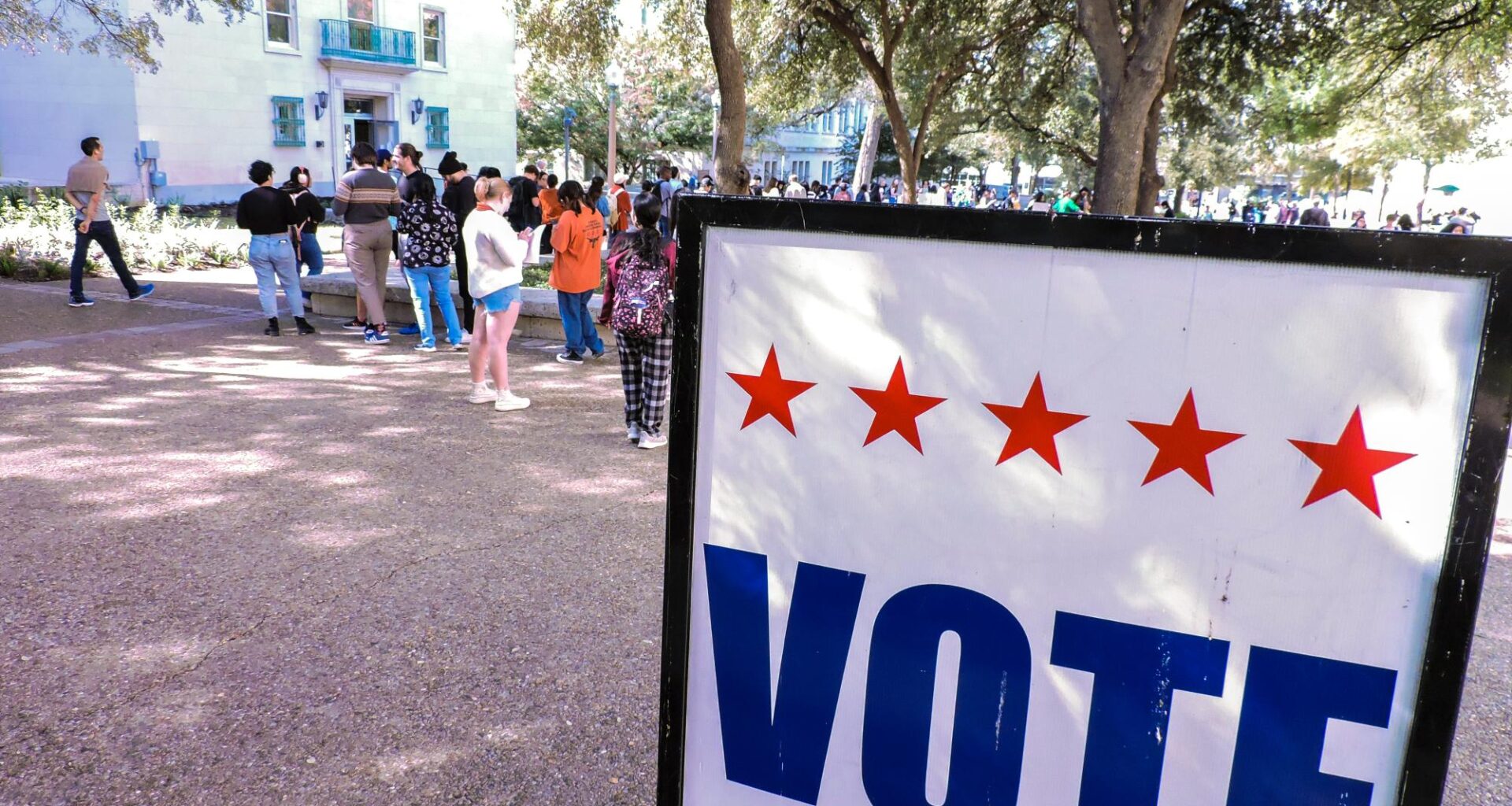
On-campus voting locations include the Texas Union and the LBJ School of Public Affairs. Other voting locations near campus include the Travis County Civil and Family Courts Facility, the Austin Recreation Center and the Travis County Clerk’s office.