
Op-Ed By Vicki Meek
On Wednesday, the Dallas City Council is scheduled to vote on the future of Dallas’ City Hall facility — a decision that carries significant implications for residents, public access, and the city’s financial priorities.
The timing of the vote has prompted concern among community members who say broader public awareness and engagement have been limited. Critics argue that residents are only now becoming aware of the potential sale and redevelopment of the property, raising questions about whether sufficient public input has been sought before moving forward.
Supporters of demolition have cited the projected cost of repairing the current building as justification. However, opponents contend that no comprehensive public analysis has been presented detailing the comparative costs of relocating municipal offices to leased downtown spaces or constructing a new City Hall facility.
Former Dallas City Councilwoman Veletta Forsythe Lill expressed concern about the long-term implications of the proposal, stating:
“There is no plan — no intention — to build a new City Hall. There is only a plan to remove city services from City Hall and place them across downtown high-rises. City Hall will be harder to access, and the city will be diverting money from libraries and recreation centers to rent for downtown landlords.”
Those raising objections argue that dispersing city services across multiple locations could impact accessibility for residents, particularly seniors, working families, and individuals who rely on centralized government services. They also question whether redirecting funds toward leasing agreements could affect investments in neighborhood infrastructure, including libraries and recreation centers.
At present, reports indicate that only four council members are firmly opposed to the proposed sale. Critics say the absence of a citywide referendum or formal public engagement process reflects what they describe as a “business as usual” approach to major development decisions.
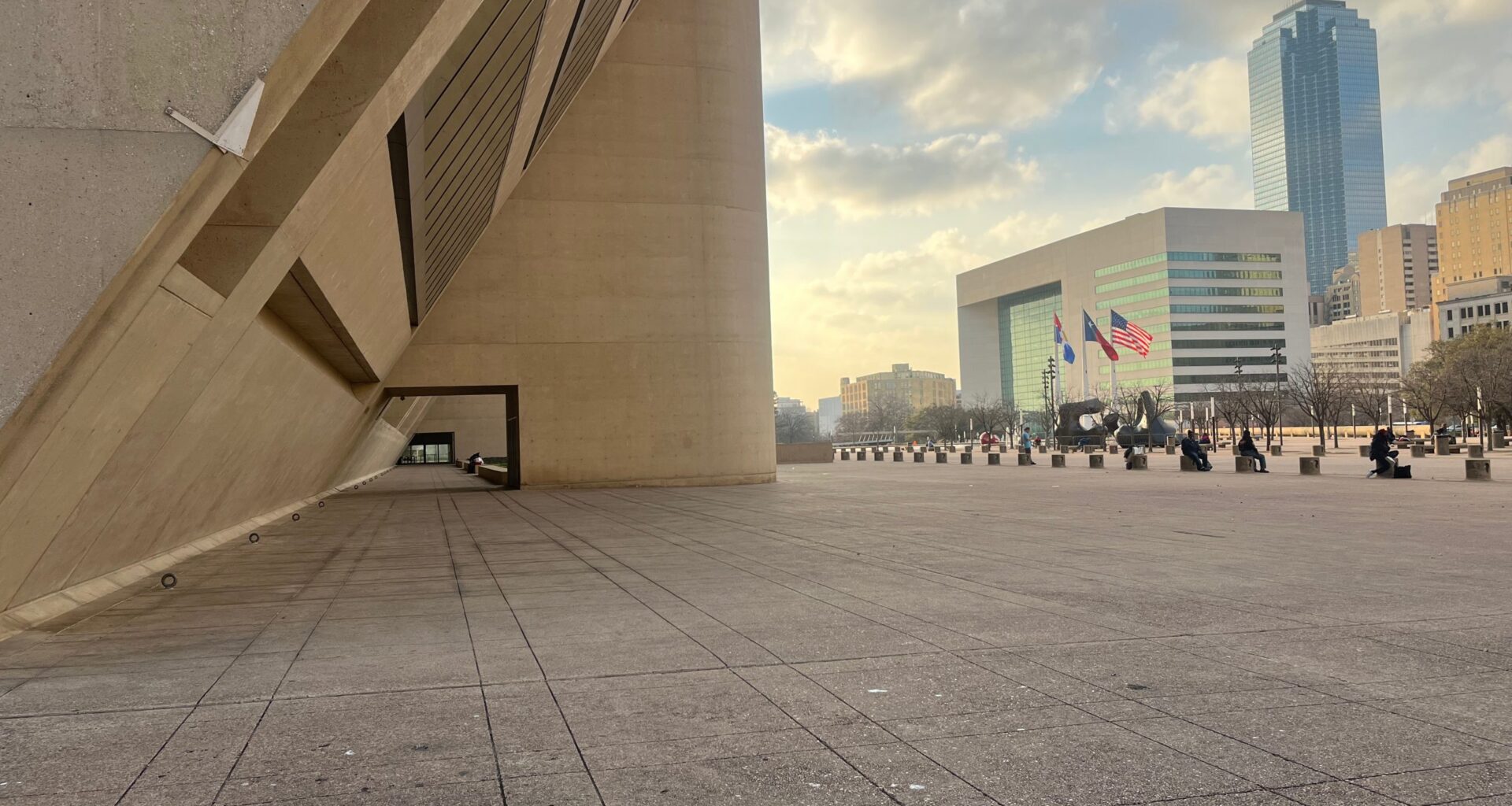
Dallas City Hall, designed by internationally recognized architect I. M. Pei, is widely regarded as one of the city’s most iconic civic structures. Its architectural and symbolic significance has added another dimension to the debate.
The Dallas Weekly believes decisions of this magnitude — involving public assets, taxpayer dollars, and long-term civic infrastructure — require transparency, thorough financial disclosure, and meaningful community engagement.
Residents are encouraged to contact their City Council representatives and the Mayor’s office to share their views prior to Wednesday’s vote.
Civic participation remains one of the most effective tools residents have to shape the future of their city
Related