
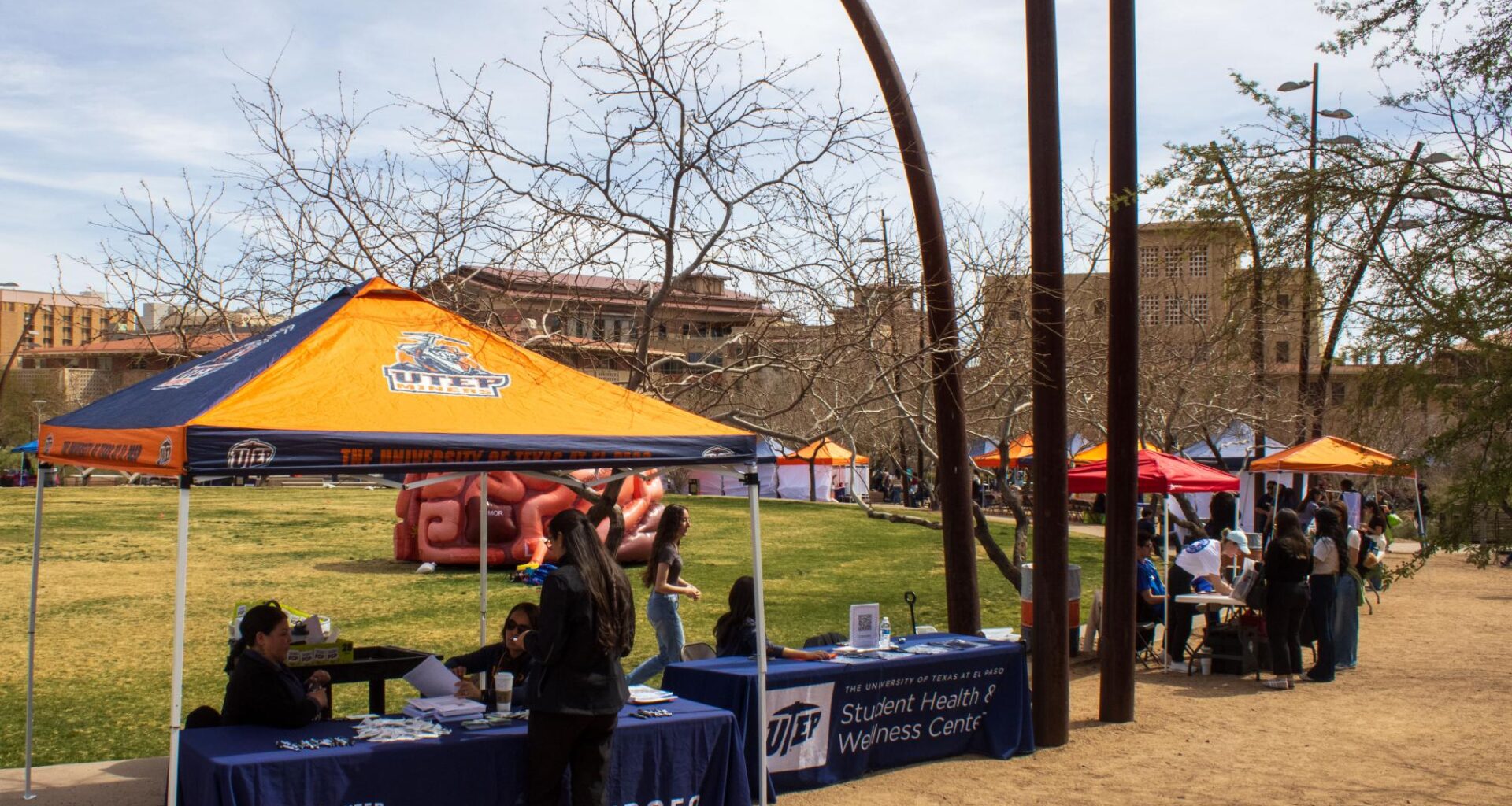
With over 130 programs and community organizations gathered across the University of Texas at El Paso (UTEP) on Feb. 25, the Health, Outreach, Prevention and Education (HOPE+) fair returned to the university for the second time. The fair transformed the campus into a one-stop hub for free health screenings, immunizations and social services from 8 a.m. to 1 p.m. in hopes of expanding care across El Paso.
The UTEP HOPE+ initiative partnered with agencies from across the region to provide numerous services and educational resources. Led by a five-person faculty team, including Silvia Chavez-Baray, Ph.D., the fair acts as both a hands-on learning opportunity for students and a way to give back to the community.
“All the learning doesn’t come from the books, and you need to learn from the community, in the community, so we invite the students to provide services,” Chavez-Baray said. “It’s a win-win for the community. Win with the services that the students provide, and the students win because they are practicing and they are learning,” Chavez said.
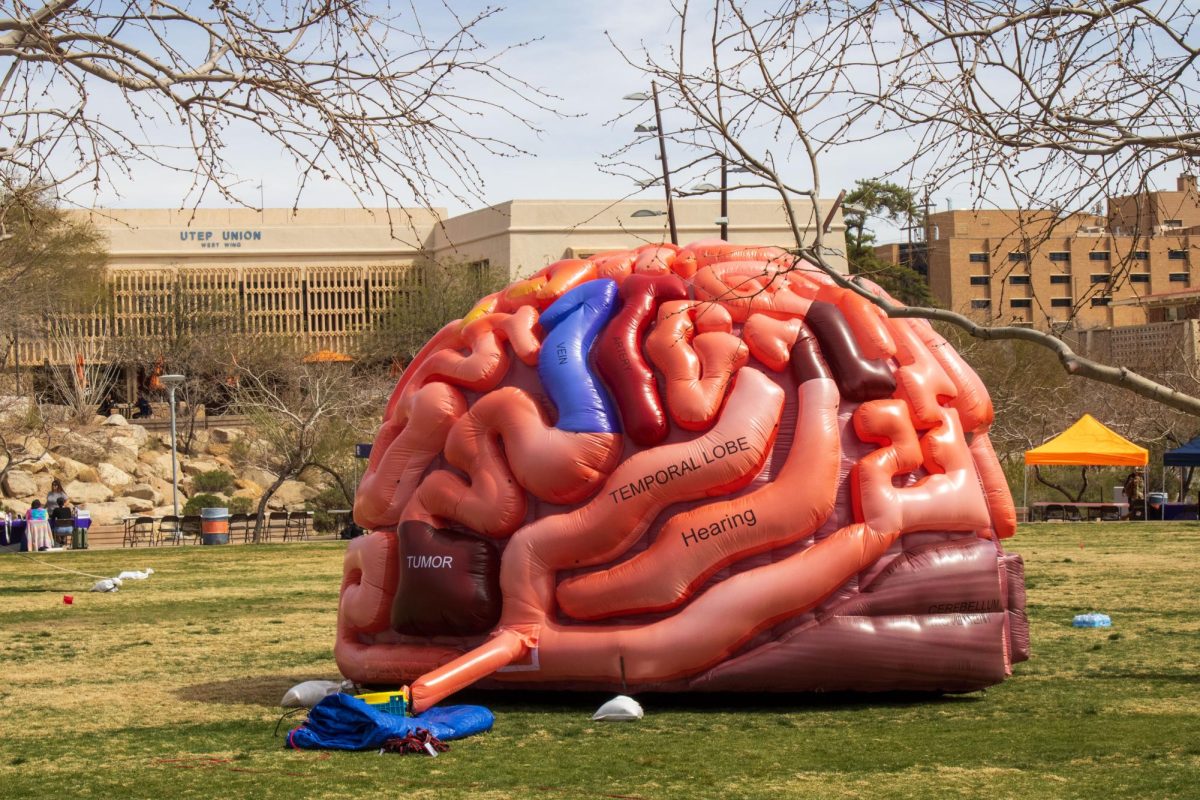
Plenty of UTEP and Texas Tech nursing students did just that, setting up booths for blood pressure and interactive inflatable organ models designed to teach attendees about disease prevention and early detection.
One of the biggest goals of the health fair, according to collegiate senator from the College of Health Science, and undergraduate research assistant for the hope initiative, Grecia Ortega, is the breakdown of barriers to healthcare access and literacy.
“We had a lot of health education to help increase health literacy, to help participants become aware of the resources that are out there for them,” Ortega said. “Health fairs are really important because it’s a form of preventative care, it allows people to seek care and start acting now as opposed to when the illness evolves or becomes a terminal illness or chronic condition.”
Financial concerns and insurance according to Ortega, were largely at the top of that barrier list, especially among students transitioning to being on their own.
According to organizations at the fair, language barriers, education and sensitive documentation status all contribute to the need for events like this one.
They worked to achieve their goal of accessibility by bringing free and easy to navigate services like health screenings, dental consultations, immunizations, sexually transmitted infections (STI) testing, bloodwork and even haircuts and food pantries to the wider community.
“What we do is we look for the agencies that the community needs, the services that the community needs. So we do the outreach of the communities, the agencies. We go to the community,” Chavez-Baray said.
Organizers invited other universities, local agencies and mobile clinics to participate. Even showcasing UTEP services like the Wellness Center or the Counseling Center and traveling when and wherever possible, with the hope to reduce the logistical and financial burdens that often prevent residents from seeking care.
“Honestly, it’s what I’m very passionate about as a public health major, that’s all we do,” Ortega said. “We try to do it. We try to see how there’s ways to improve a community’s health before it gets to chronic conditions.”
Walking across the campus, Ortega’s words echoed from booth to booth by organizations who said their goal, much like Ortega’s, was to see an increase in the community’s welfare, awareness and accessibility.
Jewel Ocampo is a staff reporter and may be reached at [email protected]
