

AUSTIN, Texas — In honor of Women’s History Month, We Are Austin spotlighted a woman who didn’t just work within the system — she worked to change it.
Sierra Waggoner sat down with Madelyn Peterson of GoneMad Productions and Ujima Magazine and legendary changemaker Joyce James for a meaningful conversation about leadership, equity, and redesigning systems to better serve communities.

Sierra Waggoner sat down with Madelyn Peterson of GoneMad Productions and Ujima Magazine and legendary changemaker Joyce James for a meaningful conversation about leadership, equity, and redesigning systems to better serve communities.
Peterson reflected on the legacy of women in reform movements: “Well, you know, women have often been the architects of reform movements, even if their names weren’t in the history books or were minimized. Joyce James is a continuation of that legacy. This woman is a powerhouse right here in the city of Austin, Texas. One thing that I remember you said: ‘You can’t fix what you can’t see,’ and that’s what you did.”
James, who made history as the first African American to lead Texas Child Protective Services, shared the journey that brought her to that historic role:

Peterson reflected on the legacy of women in reform movements: “Well, you know, women have often been the architects of reform movements, even if their names weren’t in the history books or were minimized. Joyce James is a continuation of that legacy. This woman is a powerhouse right here in the city of Austin, Texas. One thing that I remember you said: ‘You can’t fix what you can’t see,’ and that’s what you did.”
“I ended up being the first Black woman — really the first Black person — to lead Texas Child Protective Services. I came with an energy I had actually begun to feel when I was at the regional level. I started my career as a front-line CPS caseworker, and I was really excited to expand the principles by which I had been working across the entire state. I took steps to make bold statements about things that are still uncomfortable today, like talking about the disproportionality that exists in the child welfare system for Black and Native American children. It was an opportunity to make a difference, and we did, with help from many people, including the Texas Legislature at that time.”
Reflecting on the challenges of her historic position, James said, “It felt a bit challenging and overwhelming, because I had gone so far from home. I never imagined I would go from caseworker to assistant commissioner for Texas CPS. But when I got there, I felt well-equipped. It became a mission, almost like a ministry for me. I didn’t take it lightly, and I poured everything I had into it. It truly made a difference in the lives of many children, youth, families, and the staff who worked inside the system.”
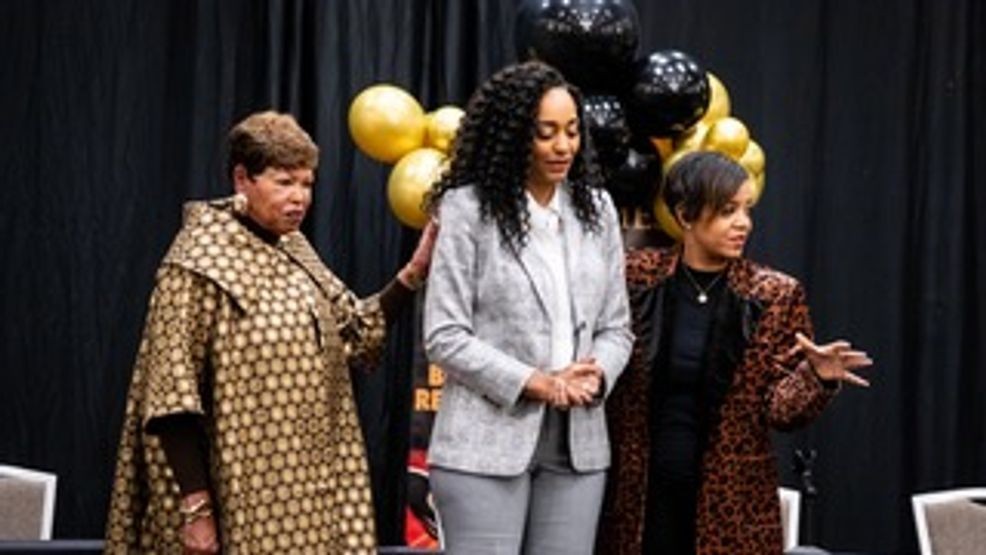
In honor of Women’s History Month, We Are Austin spotlighted a woman who didn’t just work within the system — she worked to change it.
She emphasized the importance of understanding purpose in leadership: “We need to really come into our purpose, but we have to know what that is. I hadn’t always had the insight and analysis I brought to the state level. I gained it by immersing myself with a willingness to be vulnerable and transparent — looking beyond what was wrong with people to understand what was happening to those touched by the system, as well as by multiple other systems. It gave us a sense of pride as Black women all across the state, because I received many calls and compliments from women saying how proud they were to see themselves in a space where we had not been before.”
James, who made history as the first African American to lead Texas Child Protective Services, shared the journey that brought her to that historic role:
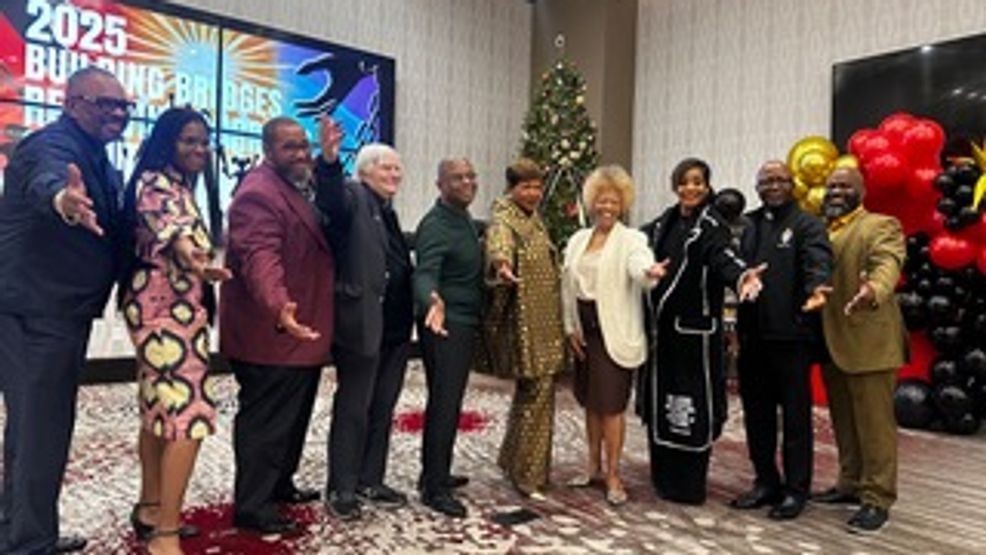
Waggoner also asked about the impact of the recent Building Bridges Summit, held in December. James highlighted the ongoing momentum: “I’ve seen people want to stay connected. They described it as a safe space and a brave space, where we could come together with like-minded people and really tell the truth about the things we were seeing happen in systems. My Building Bridges Summit focused on Dr. King’s Beloved Community and what it would take to create that — not recreate it, because we never really created it, but to create it in a way where all children, youth, and families could thrive. We focused primarily on Black children, youth, families, and communities because they are disproportionately experiencing inequities across all health systems. People came from 12 different states. We heard from those living the experiences of these systems, and it created momentum that we will carry forward into the next summit and future sessions, to create space for growth, learning, and meaningful improvements for the people inside the systems, as well as those they serve.”

She emphasized the importance of understanding purpose in leadership: “We need to really come into our purpose, but we have to know what that is. I hadn’t always had the insight and analysis I brought to the state level. I gained it by immersing myself with a willingness to be vulnerable and transparent — looking beyond what was wrong with people to understand what was happening to those touched by the system, as well as by multiple other systems. It gave us a sense of pride as Black women all across the state, because I received many calls and compliments from women saying how proud they were to see themselves in a space where we had not been before.”
The interview served as a powerful reminder that Women’s History Month is not only about honoring trailblazers of the past — it is also about recognizing the leaders shaping the future across Central Texas.
For more information on Joyce James and her work, visit JoyceJamesConsulting.com, where you can find details about the upcoming Removing Barriers, Building Bridges Summit returning this December.
To learn more about Madelyn Peterson and her work in storytelling and media, visit UjimaMagazine.com and GoneMadProductions.com.

To learn more about Madelyn Peterson and her work in storytelling and media, visit UjimaMagazine.com and GoneMadProductions.com.