
For many TCU students, the day does not end after class. It continues across Fort Worth, in retail stores, restaurants and offices, where students clock in for shifts that can require tiresome commutes and careful time management.
While students’ jobs are often framed as resume-builders or spending-money gigs, many said they work off campus out of financial necessity, professional ambition or a desire for independence.
The result is a routine that can stretch their days from early morning lectures to late-night shifts and long drives back to campus.
 Maggie Weeks poses for a mirror selfie at her workplace, You Are Here, on Camp Bowie Boulevard. (Maggie Weeks)
“I decided to have a job in college to meet new people and gain professional experience,” said Maggie Weeks, a first-year fashion merchandising major who commutes 10 minutes to work. “The freshman car ban, however, affected me a lot because I have to now park at a friend’s house that is significantly further than our original parking garage. The time spent walking to my car and driving to work makes it a significant commitment.”
Students said distance often comes down to opportunity. On-campus jobs can be limited, competitive or restrictive in hours, leading some to search further away for positions aligned with their majors or career goals.
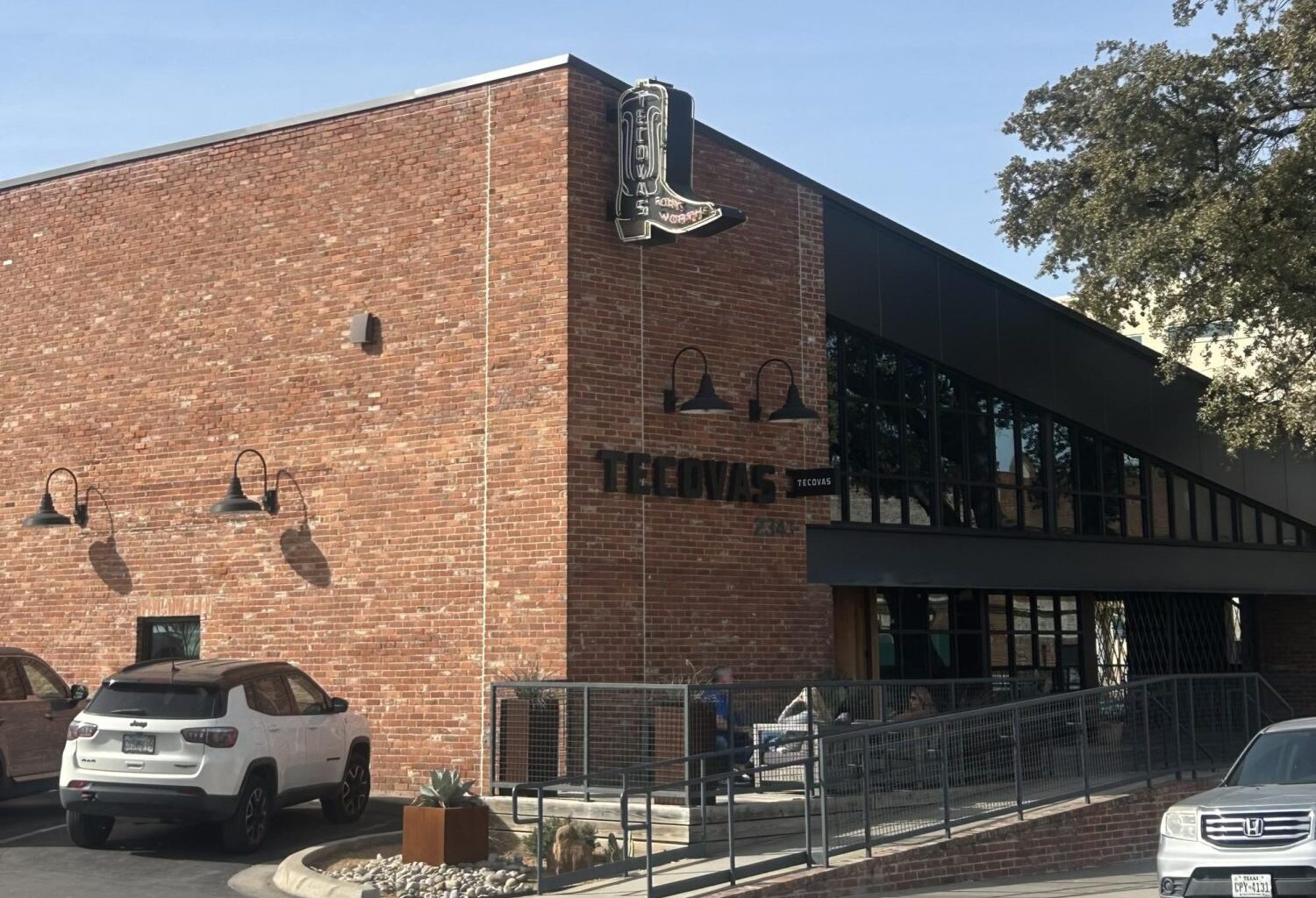
“Working off campus wasn’t my first choice, but it gave me the chance to be in a setting that opens up my mind to different job opportunities,” said Haley Wright, a senior criminal justice major who works at Tecovas in the Fort Worth Stockyards. “The 25-minute drive can be tiring after classes, but the experience and connections I’m building make it worth it.”
Others said off-campus work offers higher pay than many on-campus positions, making the commute worthwhile, despite the cost of gas and time constraints.
For some, earnings go toward tuition, rent, groceries or family support.
“I work at Joe T. Garcia’s because I love being outside, meeting new people and the family-table atmosphere is really uplifting,” said Eden Wilkins, a sophomore interior design major who works at Joe T. Garcia’s Mexican Restaurant. “Even though it can be expensive to drive to the Stockyards for every shift, it’s worth it because of the sense of community I feel when I’m there.”
Commutes can cut into social life, sleep and study time, creating trade-offs that shape the college experience. Several students said they schedule classes around work shifts rather than the other way around.
 Joe T. Garcia’s Mexican Restaurant sign in the Stockyards. (Ava Weill/staff writer)
Rising living expenses, career pressure and a competitive job market have made work experience feel less optional and more essential.
Students also said holding a job while enrolled helps them feel prepared for life after graduation, even if it means sacrificing convenience in the present.
“Working off campus while still being in classes has forced me to prioritize and organize better than I have before,” said Bella Murdock, a junior communication studies major who works at Lancarte Commercial Real Estate. “My boss always makes it very clear that school comes first, which is very nice, but it has still been a big adjustment due to the fact I don’t have as much free time as I once did.”
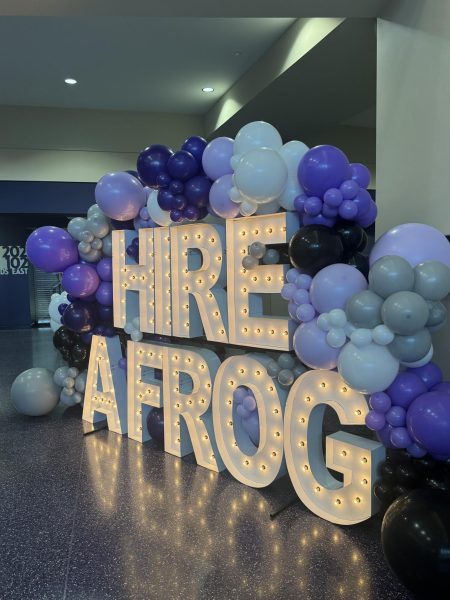 “Hire a Frog” sign welcomes students to the TCU Career & Intern Expo, setting the stage for networking and job opportunities. (Bailey Bates)
Career advisers said working during college can help students build professional skills like time management, communication and workplace experience, but they note that balancing employment and academics requires discipline and planning.
“The ability to balance academics with employment is a challenging task, but it also introduces valuable skills that are often difficult to acquire through traditional education,” said De’Evin Johnson, a TCU College of Fine Arts academic advisor. “When students work outside of their studies, they develop a heightened awareness of how they allocate their time and the importance of managing their mental and physical well-being. While there are challenges, such as maintaining a healthy work-life balance, when students successfully navigate these responsibilities, they are better prepared for the workforce upon graduation.”
When students work across Fort Worth, they become part of the city’s workforce, linking campus life with the broader community. Employers gain dependable part-time help, and students gain a firsthand look at professional environments outside of the university bubble.