
There’s a new Austin, Texas, in town.
After becoming a hotspot during the pandemic because of its tempting tax rates and persuasive property prices, the southern city is falling out of favor with the young professionals and families that fled there just years ago.
Indeed, Austin went from not having enough homes to meet the droves of incoming residents, to drastically overdeveloping – causing properties to sit on the market losing value.
Now, this Texas metro simply isn’t the desirable destination it once was – and investors are noticing. Real estate developer Uri Man explained that Austin had one of the fastest growing cycles in the country during Covid. When tech workers started moving to the city, he added, developers responded with a ‘massive wave of apartment construction.’
‘That surge in new units has temporarily shifted the market in favor of renters and led to more than two years of rent declines,’ Man exclusively told The Daily Mail.
Austin is now among four metros that have 50 percent more homes on the market than pre-pandemic norms, Realtor.com reports. This is a bleak sign for the city – and for homebuyers that took the plunge during Austin’s up.
Meanwhile, for renters, Austin was among the cheapest cities to rent – at least temporarily. But the city’s apartment vacancy rate was down last year for the first time since 2021, meaning rental costs will likely only increase in the coming year, the Wall Street Journal reported.
As its rental market becomes more expensive, people are looking elsewhere for warm, welcoming living conditions, and Austin’s loss is certainly another city’s gain.
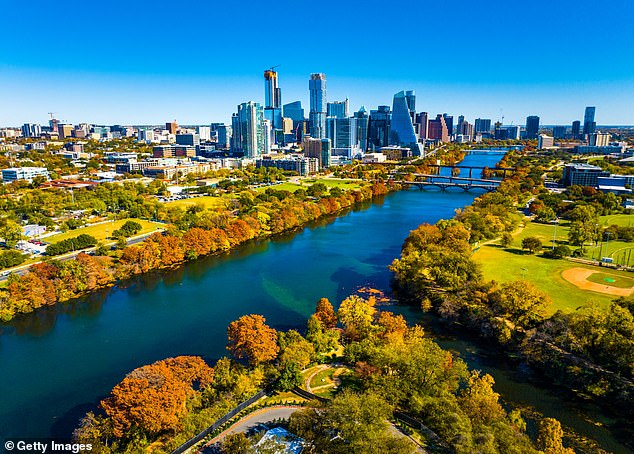
Austin went from not having enough homes to meet the droves of incoming residents, to drastically overdeveloping – causing properties to sit on the market losing value
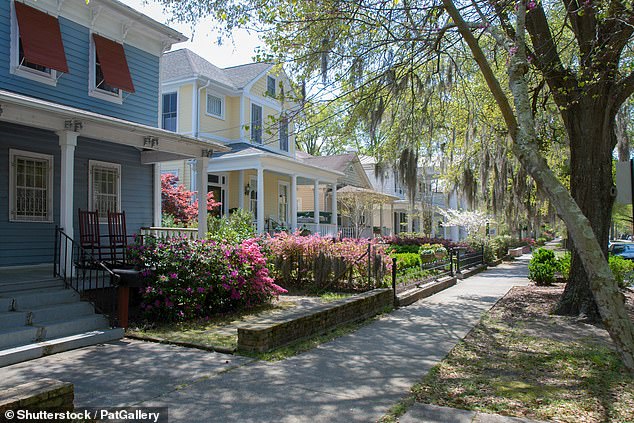
As its rental market becomes more expensive, people are looking elsewhere for warm, welcoming living conditions (pictured: homes in Wilmington, North Carolina)
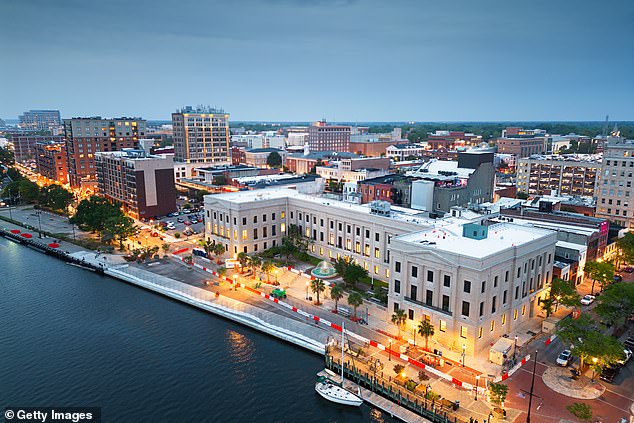
Wilmington’s Riverwalk is an almost 2-mile long stretch along the Cape Fear River.
Located in southeastern North Carolina, Wilmington has its own historic downtown and picturesque riverwalk.
It’s conveniently located near the Wilmington International Airport and only an hour and a half drive away from the popular family vacation destination of Myrtle Beach.
By the numbers, Wilmington is one of the fastest-growing cities in the United States. The number of occupied units in 2024 is an estimated 213,704 – that’s an increase of over 92 percent from 2014.
For Austin, the change in occupied apartments from 2014 to 2024 is about 50 percent.
Others cite Austin’s shifting culture as a reason why the city is losing appeal, especially the recent ‘Joe Rogan effect’ which saw the conservative podcaster – amongst many others that fled liberal spots such as California and New York for Austin during the pandemic years – turn on the southern city.
This shift has left realtors panicking over unsold homes – of which there are many.
Indeed, there are 10,000 more homes on sale than people looking to purchase in Austin, according to Redfin – making it the strongest buyer’s market in the country as of January.
Meanwhile, experts say Wilmington’s strong job market, mild winters, and affordability are some of the reasons behind the surge.
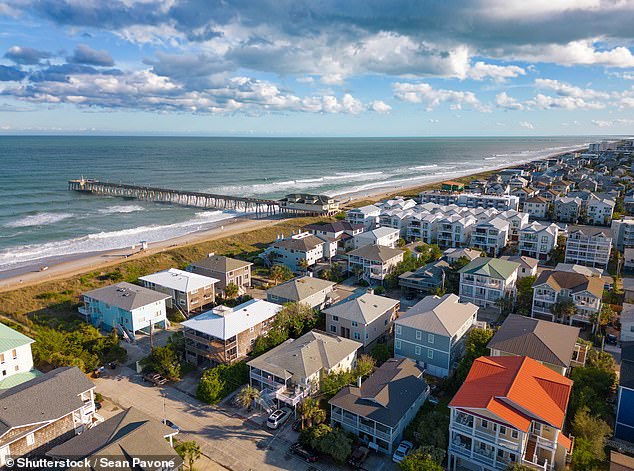
Wilmington is one of the fastest-growing cities in the United States. The number of occupied units in 2024 is an estimated 213,704 – that’s an increase of over 92 percent from 2014
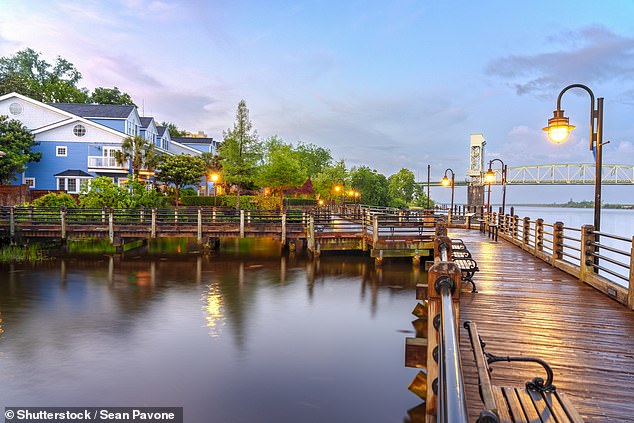
Located in southeastern North Carolina, Wilmington has its own historic downtown and picturesque riverwalk
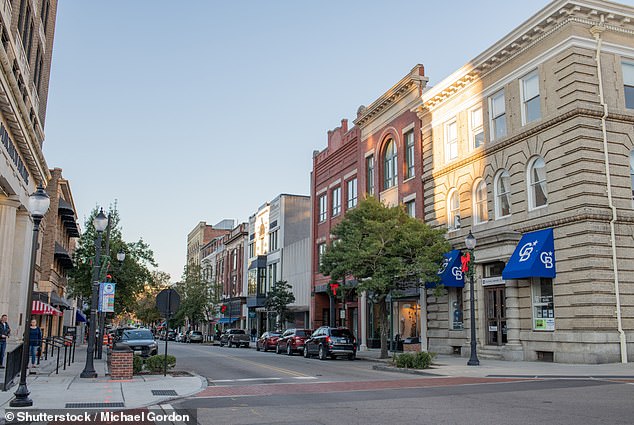
Experts say Wilmington’s strong job market, mild winters, and affordability are some of the reasons behind the surge
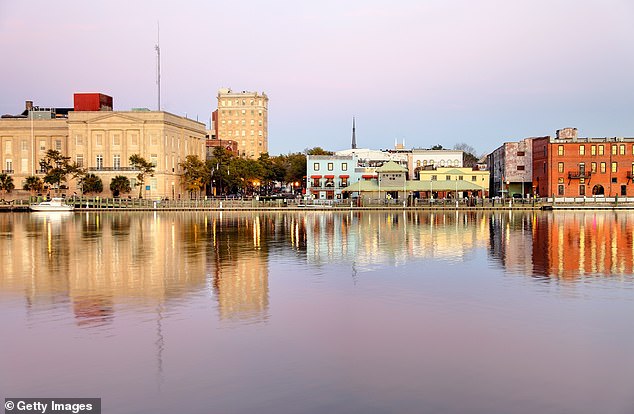
Wilmington, North Carolina is a port city with plenty of restaurants located in the ‘downtown’ area.
The affordability, in particular, is in stark contrast to liberal-leaning metros like San Francisco, San Jose, New York City and San Diego, which have the highest cost of living in the US.
PODS Moving and Storage released a report in 2025 revealing where people are flocking to – and Wilmington made the cut.
‘The data shows a ‘desire for warmer climates, lower costs of living, and a greater focus on balance and quality of life,’ Rich Schwartz of PODS said.
But some argue not to discount Austin just yet.
‘From a financial perspective, Austin still offers a compelling balance compared with many other fast growing metros,’ Man said.
He noted that Texas has no state income tax and Austin boasts plenty of job opportunities, but renters should also factor in rising property taxes and cost of living pressures that arise.
Vice President of Real Estate Sales, Real Property Management Mike Steward, who has been in the property management business for two decades, told the Daily Mail that Austin stands out for having ‘long-run demand.’
‘Other ‘next-wave’ metros can look stronger on near-term competition and demand right now,’ Steward said. ‘If a renter wants relative value in a growth market, Austin is back in the conversation again, since rents came off their peak more than many Sun Belt peers.’