
Minnesota’s working people are ready to build. But, right now, too many skilled trades workers are sitting on the bench, trained, certified, and eager to work.
Stagnant wages and workers aren’t just bad for workers; they are bad for our communities. When good jobs don’t materialize, paychecks don’t circulate, families feel squeezed, young people leave for opportunities elsewhere, and our tax base weakens.
The state of Minnesota is at a critical juncture; we must embrace new industries and address gaps to doing business in our state.
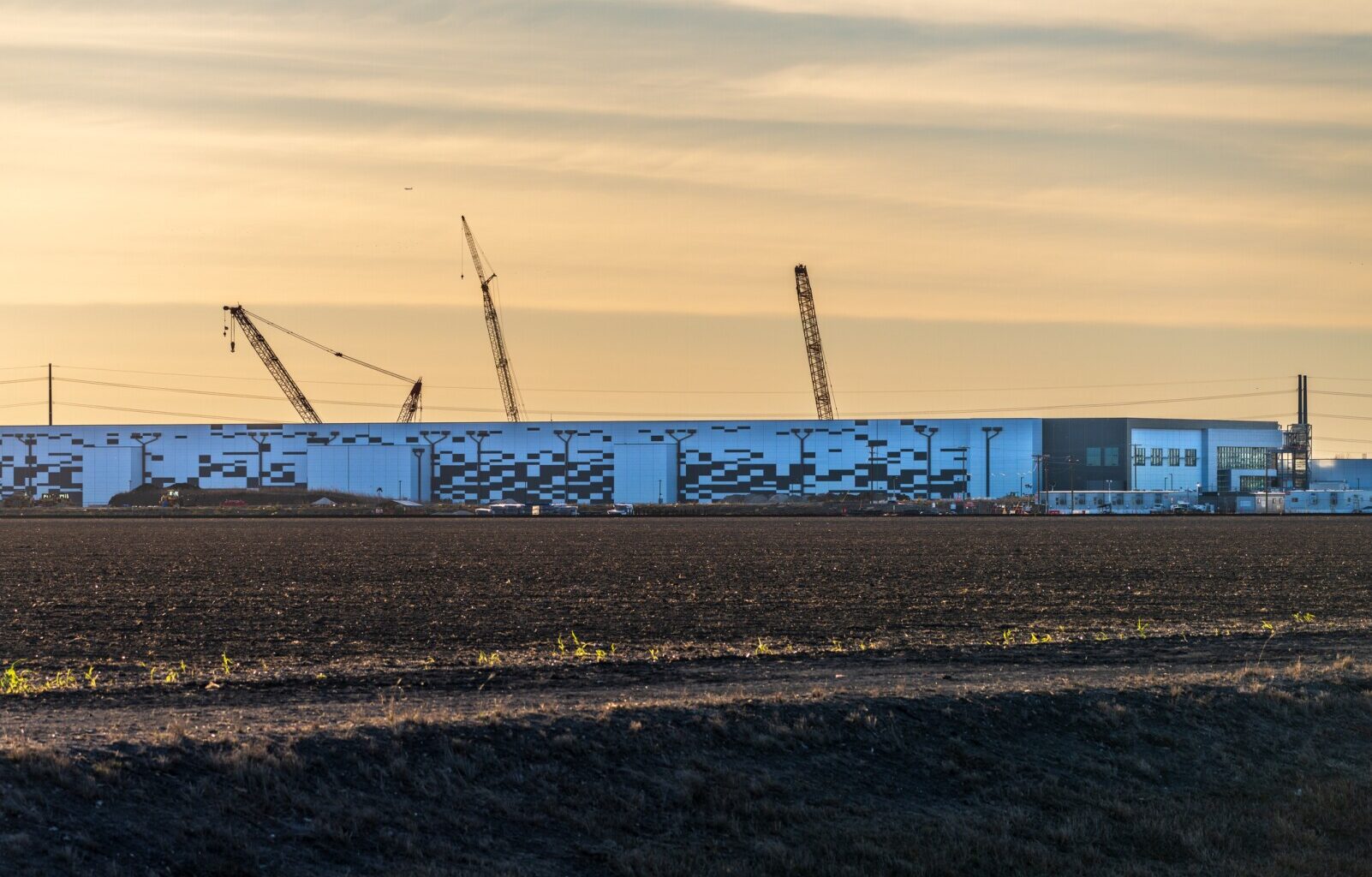
Opportunities to build data centers across Minnesota are knocking on our door; they should be a moment of decision, not a rubber stamp.
There is a lot that is seemingly unknown when a data center project comes to town. Will the construction work be outsourced? Will wages be pressured downward? Once the ribbon is cut, what are the long-term job numbers compared to the public resources invested?
Minnesota can answer these questions. Minnesota can build this critical infrastructure better than anyone else, meeting the stringent requirements this state demands, like clear labor and quality standards.
Clear labor standards ensure projects pay prevailing wages and have strong safety enforcement, apprenticeship utilization, and local hiring expectations. These should all be on, and will be on, the table for new data center projects.
These projects will create pathways for Minnesotans in all industries, not just those in the labor community, to benefit. The job security offered by working on a single project for many years, combined with the incentive for more companies to build here and use these trained workers, makes these projects worthwhile in the long term.
A community benefits agreement or project labor agreement can set expectations up front: trained workers, predictable schedules, and work that meets Minnesota’s quality standards.
And let’s be honest about what “economic development” means. If a project consumes significant land, power, and water, it will also deliver measurable public value, increasing the tax bases that fund our schools, roads, parks, and more.
It can be tough to do business here in Minnesota. Together, though, we can change that, starting with data centers. It is up to us to ensure that construction jobs are consistent and family-sustaining and that work is stable and well-compensated, within the regulations already in place to protect our environment and way of life.
We cannot afford to say “no” to data centers. Labor is joining the list of groups saying “yes” to putting Minnesotans and our tradespeople to work. It is time to play ball. With the right standards, data centers can be part of a stronger economy, one where growth actually reaches the people who build it.
Tom Dicklich of Corcoran, Minnesota, is executive director of the Minnesota State Building & Construction Trades Council. He wrote this exclusively for the News Tribune.

Tom Dicklich