
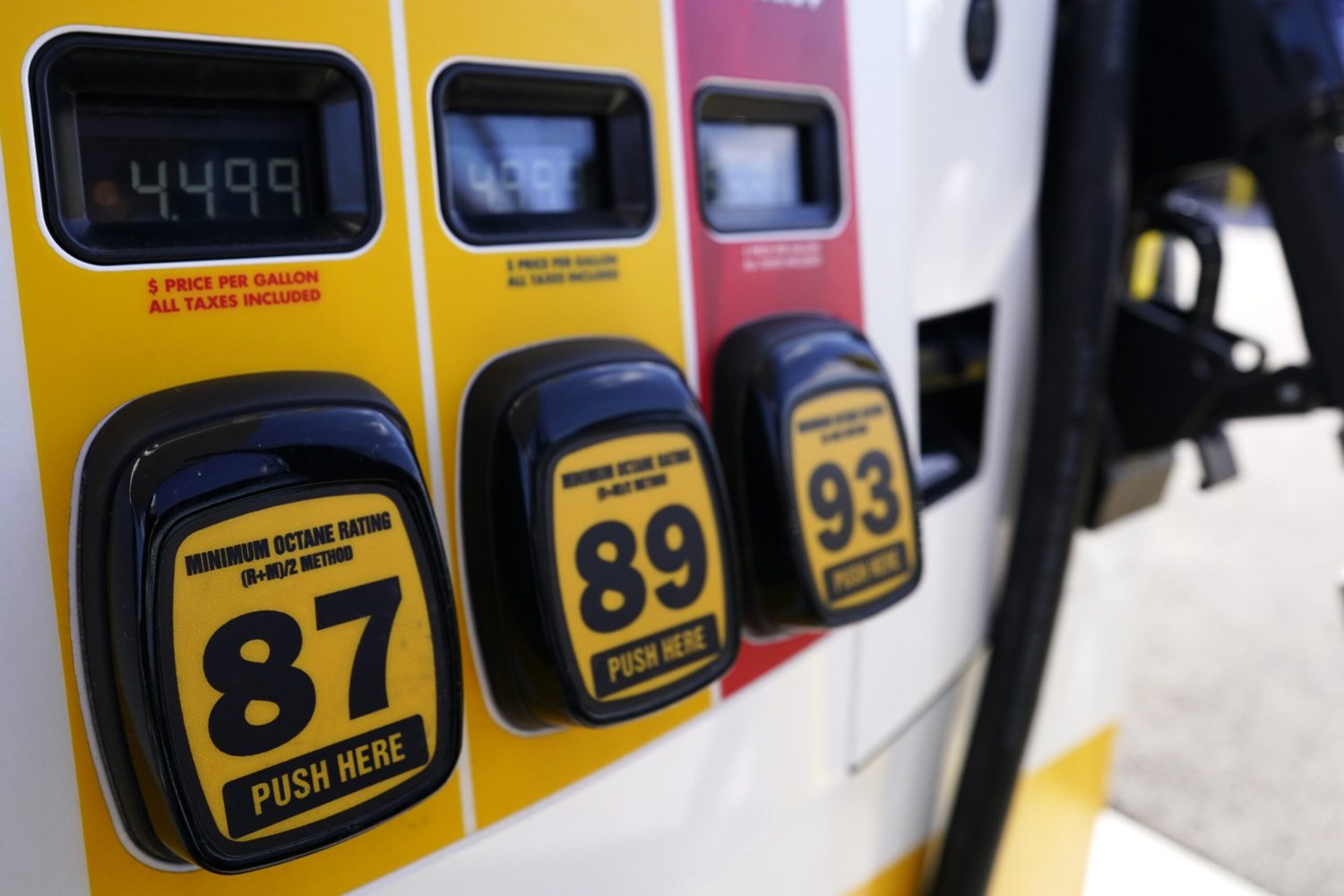
Gas prices are already climbing as rising tensions in the Middle East disrupt global oil markets.
Oil prices have surged amid fears the disputes in Iran could effect energy production and transportation in a region that plays a key role in global energy markets. In some cases, crude oil prices have climbed to above $90 per barrel—the highest levels seen in over a year.
Those increases are beginning to show up at the pump. The current national average price for one gallon of regular gasoline is about $3.47, while the average in Texas is roughly $3.13, according to AAA.
Jay McCormack, a finance professor, said oil prices had already been trending upward before the latest escalation.
“It had gone down to a low point in 2025, but it’s moved up probably $20 per barrel at some of the benchmarks,” McCormack said. “It took another jump earlier this week after the conflict with Iran started.”
According to McCormack, analysts expect these increases to continue if tensions persist.
“Most analysts expect crude oil prices will continue to rise throughout 2026,” McCormack said. “It could be significantly longer depending on how long the conflicts in Iran and Venezuela lasts.”
Still, economists say sudden increases in energy prices often follow a predictable pattern.
TCU economics professor John Harvey said markets frequently react quickly to geopolitical conflict and uncertainty.
“What typically happens is there’s a big jump in prices at first,” Harvey said. “But once things start to settle down, the prices come back — though not necessarily to where they were before.”
For drivers, these changes could mean higher short-term gas prices as markets respond to uncertainty, though economists say prices may somewhat ease as markets adjust.