
Across industries, employers are facing the same challenge: finding workers with the skills needed to succeed on day one.
At the same time, many students and early-career professionals struggle to gain the experience employers expect before hiring them. It’s a familiar paradox in today’s labor market: employers often say, “We would hire you if you had experience,” while job seekers ask, “How can I gain experience without a job?”
This disconnect between education and employment has become one of the defining workforce challenges of our time.
Work-based learning offers a practical solution.
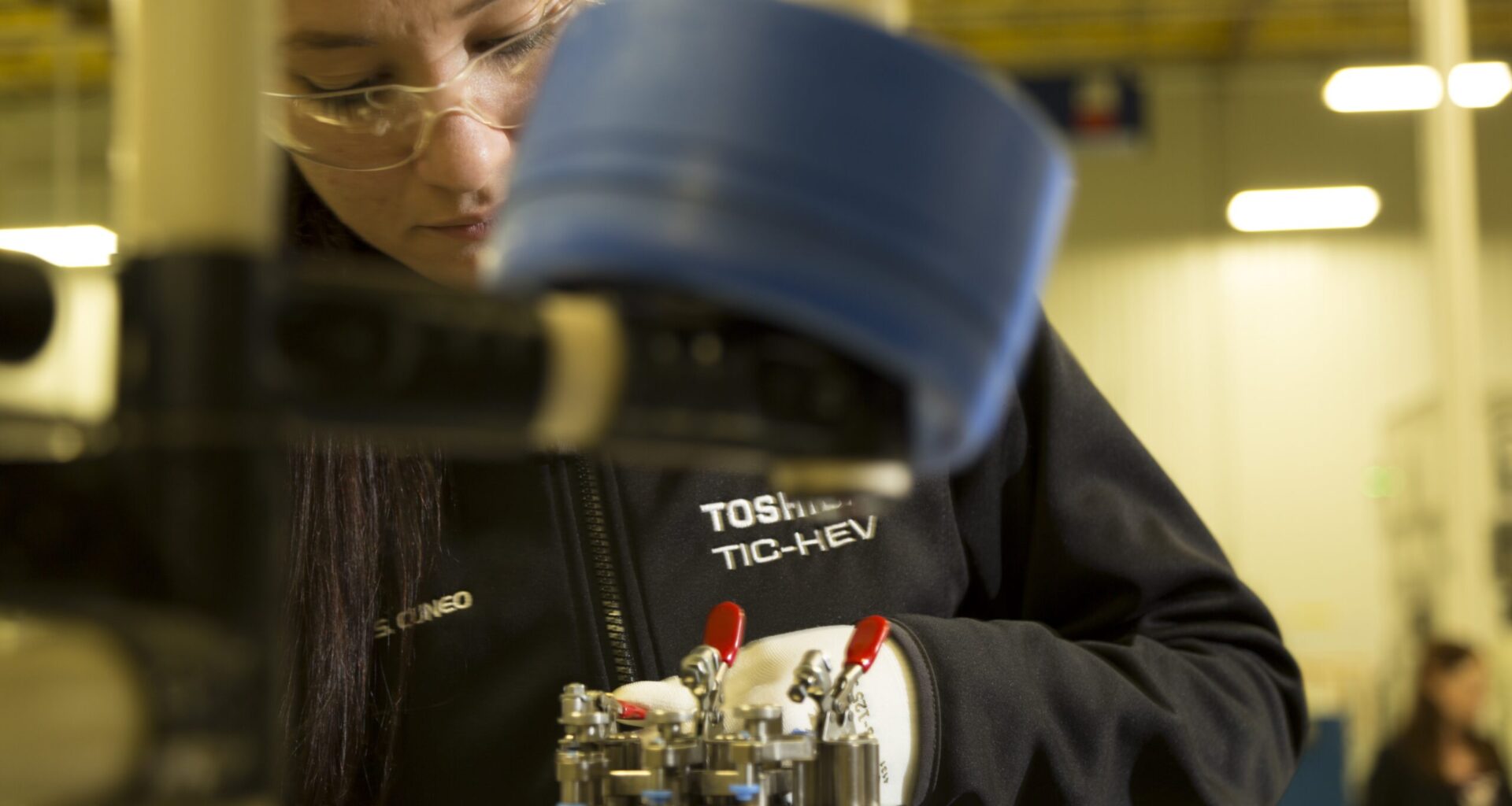
Programs such as internships, apprenticeships, and other forms of on-the-job training allow individuals to develop real skills while employers build stronger talent pipelines. In many ways, work-based learning bridges that gap, giving individuals the opportunity to gain experience while helping employers cultivate the talent they need. Increasingly, employers are recognizing that these programs are more than workforce initiatives, they are smart business strategies.
Houston’s Workforce Opportunity
The greater Houston region is home to one of the largest and most dynamic labor markets in the country, with more than 3.5 million workers powering industries ranging from energy and health care to advanced manufacturing and technology.
Yet connecting talent to opportunity remains a challenge.
Many of the region’s fastest-growing careers fall into what economists describe as middle-skill roles: jobs that require education or training beyond high school but less than a four-year degree. At the same time, more than 855,000 Houston-area adults lack the credentials typically required for these middle-skill positions, creating a significant gap between available talent and employer needs.
The pace of change in the labor market is also accelerating. Research shows that 37% of job skill requirements have changed in the past five years, reflecting the rapid evolution of technology, industry practices, and workplace expectations.
And workforce mobility continues to increase. According to research from Rice University’s Kinder Institute, nearly half a million Houstonians may change careers within the next five years.
Together, these trends highlight the need for solutions that help workers gain practical skills while allowing employers to shape the talent pipeline they depend on.
The Data Behind Work-Based Learning
Work-based learning helps bridge the gap between education and employment by combining classroom instruction with real-world experience.
The results are compelling.
Research from the National Association of Colleges + Employers states that internships with an employer or within industry is the most influential factor when choosing between equally qualified candidates. Internships also serve as one of the most effective hiring pipelines available with 62% of interns are offered a full-time position with healthy acceptance rates, allowing companies to evaluate talent while building practical skills in real time.
Apprenticeship programs offer similarly strong results. Research shows employers realize an average $1.47 return for every $1 invested in apprenticeship programs, underscoring that workforce development not only delivers social impact but also represents a smart business investment.
Retention outcomes are also significant. Workers who enter companies through apprenticeship pathways often remain longer, helping employers reduce turnover and build institutional knowledge.
Together, these outcomes point to a clear conclusion: when employers invest in structured work-based learning, they gain access to a workforce that is more prepared, more productive, and more likely to stay.
A Talent Strategy for the Future
Work-based learning programs benefit more than individual companies. They strengthen entire regional economies by creating pathways to meaningful careers while ensuring businesses have access to the skilled workers they need.
For students and early-career professionals, these programs provide opportunities to develop practical experience and explore career paths before entering the workforce full time.
For employers, they offer a powerful way to shape the next generation of talent.
As Houston’s economy continues to evolve, connecting education and employment will remain essential to maintaining the region’s competitiveness. Work-based learning offers a proven approach for doing exactly that: building stronger talent pipelines while expanding opportunity for workers across the region.
Employers and educators who want to help shape Houston’s future workforce can engage with UpSkill Houston, the Greater Houston Partnership’s employer-led initiative focused on aligning education and training with industry needs. By joining the initiative, businesses can collaborate with education and workforce partners, explore work-based learning strategies, and help build the talent pipelines that will power Houston’s economy.