
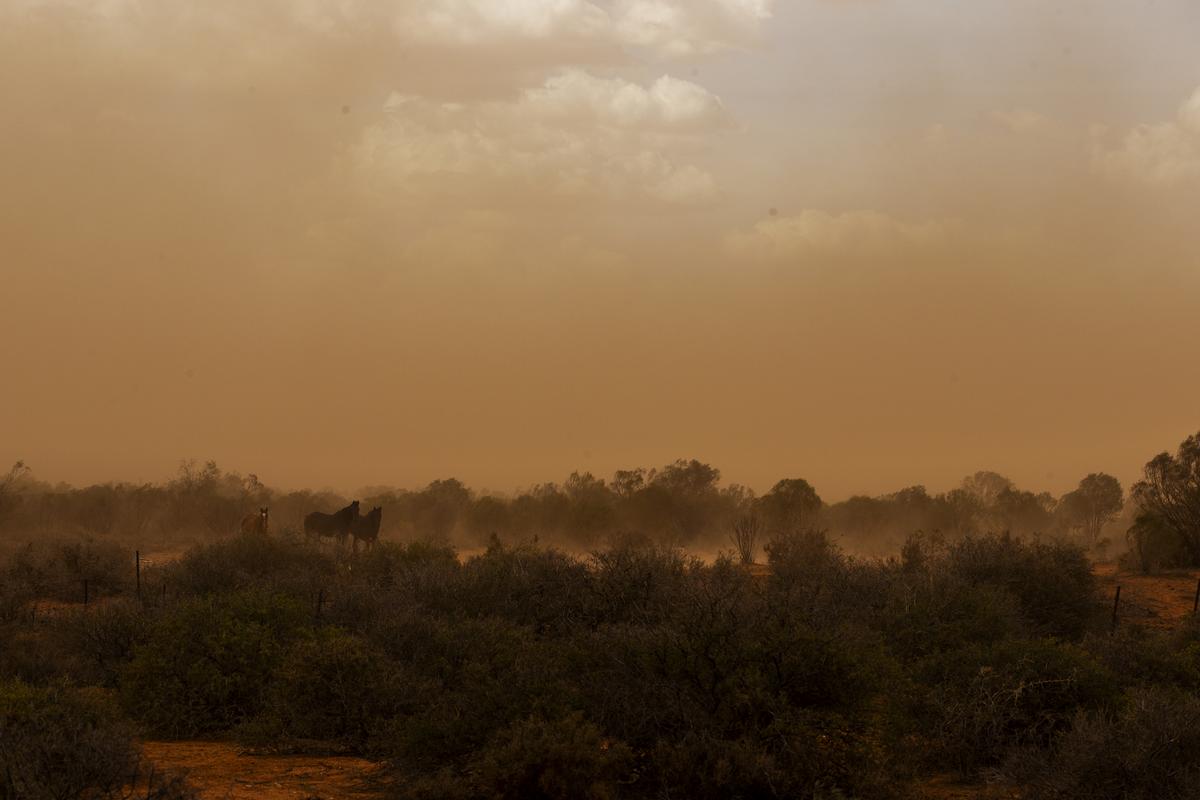
The blowing dust in Lubbock is not only unsightly, but it holds many more dangers than you would think. While I was driving back to work from lunch today, I coughed so long and hard that I got lightheaded. Luckily, I was okay, but it got me to thinking: what all blows along with the West Texas dust?
Read More: Spring Storm Season Approaches: Rainfall Trends In Lubbock
What Is West Texas Blowing Dust Made Of?
The dust is primarily topsoil from surrounding agricultural areas. Since our climate is semi-arid and there are not many natural features to block the wind, the loose soil can easily be picked up and blown around. That alone is enough to give most people a nasty cough.
However, inside that soil are plenty of potentially harmful allergens, viruses, bacteria, and fungi that are easily inhaled into the lungs. Logically, it is also possible that we could be inhaling very small amounts of chemicals used in agriculture, like fertilizers and pesticides, although I was not able to find a scientific study on that (there’s a nice dissertation topic for somebody, you can have it!). I shudder to think of what could be blowing in from area feed lots.
Read More: How To Prepare For Allergy Season In Lubbock This Spring
Other Dangers Of West Texas Dust
The biggest danger is likely reduced visibility when driving, as a very dense dust storm/ haboob can make it nearly impossible to navigate roads, especially those outside of town. Not to mention debris and unsecured loans being blown around, which can damage windshields easily. I had a friend who lost a windshield to the 2″ thick base of a tumbleweed during a dust storm!
What To Do When There’s A Dust Storm In Lubbock
Ideally, stay inside as much as possible. When I have to be outside (to walk to my car, for instance) I wear a bandana across my face like a cowboy bandit. Better than breathing in who-knows-what along with all that dirt.
Lubbock’s Most Extreme Weather Records
A look at the most extreme weather records Lubbock has set.
Gallery Credit: Renee Raven