
Rural Texas is facing a healthcare crisis that looks very different from the challenges in big cities. New analysis from the Parkland Center for Clinical Innovation shows that four out of five rural Texans live in communities highly vulnerable to life-threatening chronic diseases.
This is not just a more severe version of urban health issues — it’s a fundamentally different problem that calls for different solutions.
Unlike city neighborhoods, where health risks often stem from factors like pollution or diet, PCCI’s Community Vulnerability Compass reveals that rural vulnerability is driven by entrenched chronic illnesses and severe barriers to care. Heart disease, cancer, high blood pressure and mental health challenges are widespread in rural Texas, contributing to shorter life expectancies than those seen in urban areas. Simply put, urban solutions don’t solve rural health problems. Programs that work well in Dallas or Houston can fall flat in a small town where patients are older, sicker and healthcare is miles away.
Other insights revealed by the Community Vulnerability Compass:
Coronary heart disease: 88% of rural Texas census tracts are high or very high in vulnerability for chronic heart disease (362 rural census tracts).Cancer: Nearly 85% of rural Texas census tracts are high or very high in vulnerability for cancer (350 rural census tracts).High blood pressure: 87% of rural Texas census tracts are high or very high in vulnerability for high blood pressure (353 rural census tracts).Mental health: More than 40% of rural Texans live in areas with high or very high mental health vulnerability (154 rural census tracts).73% of the population in rural census tracts is experiencing high or very high vulnerability for internet connectivity.
One of the most urgent challenges rural Texans face is access to care. Many rural areas have seen hospitals close and doctors retire or relocate. Today, 77 counties in Texas have no hospital at all, and nearly one in five rural counties lacks a single primary care physician, according to the Texas Organization of Rural and Community Hospitals. That leaves residents driving an hour or more to see a doctor or reach an emergency room. In parts of West Texas, some must travel over 100 miles to get to a major hospital or specialist. Large stretches of the state are “obstetric deserts,” where pregnant women may have to drive 70 miles or more to deliver their babies. These long journeys aren’t just inconvenient — they can be dangerous, causing people to delay or even forego critical care.
Opinion
Modern technology hasn’t fully bridged this gap, either. Roughly three-quarters of rural Texas communities have poor broadband internet access. In an increasingly digital healthcare world of telemedicine and remote monitoring, this digital divide is a serious problem. Without reliable internet, a senior with diabetes in a small town can’t consult with a distant specialist via video call, and a heart patient can’t send health updates to their doctor from home. The very innovations meant to overcome distance are often unavailable to those who could benefit the most.
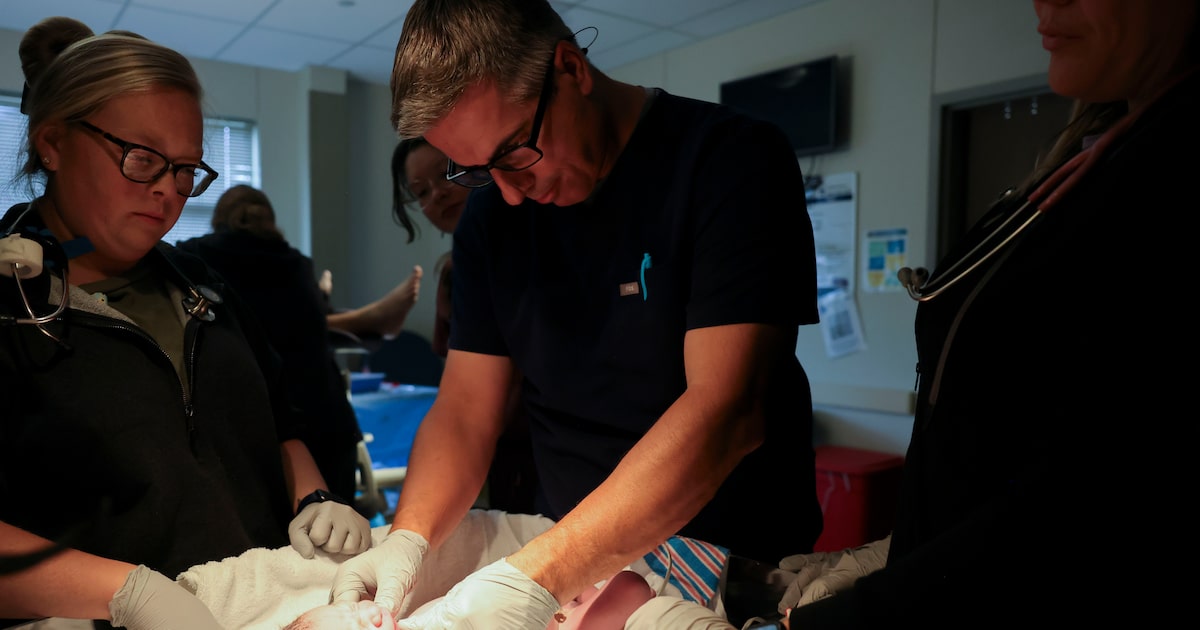
Maternal health offers a powerful example of these challenges in action. More than 100,000 women of childbearing age live in rural Texas, many in areas without any nearby maternity care. When an expectant mother must drive two hours for a prenatal check-up or to give birth, critical warning signs can be missed and complications worsened. Nearly every rural county in Texas is also short on mental health professionals, leaving new mothers facing postpartum depression or other conditions with few places to turn. These gaps mean too many families are pushed into crisis care instead of receiving preventive support.
Despite the obstacles, there are promising paths forward. Data can help drive solutions. Tools like PCCI’s Community Vulnerability Compass pinpoint where chronic disease and access issues are most severe, so interventions can be tailored rather than one-size-fits-all. For example, CVC data highlighted an East Texas region where 150,000 people have access to only a few hundred hospital beds within 100 miles—a clear signal that more healthcare resources and strategies are needed there. Insights like these can inform leaders as they decide where to invest in clinics, telehealth or transportation services.
Encouragingly, Texas recently launched a “Rural Texas Strong” initiative, which includes funding to improve rural healthcare technology and expand high-speed internet.
Upgrades like these will help bring telemedicine and other innovations to remote communities, so a patient’s location matters a little less. Meanwhile, local partnerships are pioneering new models of care. In North Texas, a coalition of health systems and community organizations has started a Maternal Health Accelerator to identify at-risk pregnancies early and connect women with extra support— from medical care and mental health services to nutrition and parenting resources. While this program began in the Dallas area, the goal is to adapt its best practices for rural Texas, where they could have an even greater impact.
Perhaps the most powerful asset in addressing rural health challenges is the strength of rural communities themselves. Many small towns enjoy close-knit ties, deep trust in local caregivers and a tradition of neighbors looking out for one another. These qualities can amplify the impact of any new health initiative.
By combining homegrown community strengths with innovative, data-guided action, we can ensure that being born or living in a small Texas town no longer means being left behind when it comes to health. With the right investments and a commitment to collaboration, we can close the health gap between urban and rural Texans — so that every community, no matter how remote, has the chance to thrive.
Steve Miff is president and CEO of the Parkland Center for Clinical Innovation.
We welcome your thoughts in a letter to the editor. See the guidelines and submit your letter here.
If you have problems with the form, you can submit via email at letters@dallasnews.com