
Texas has a measles mystery. The Texas Department of State Health Services has tallied 18 confirmed measles cases so far this year, several of which were travel-related.
But the U.S. Centers for Disease Control and Prevention says Texas has had 93 cases as of March 5. That number appears on a CDC webpage with no additional information, such as where the cases occurred, the age of the patients or how severe their illness was. That means Texans can only guess where most of the other 75 cases developed.
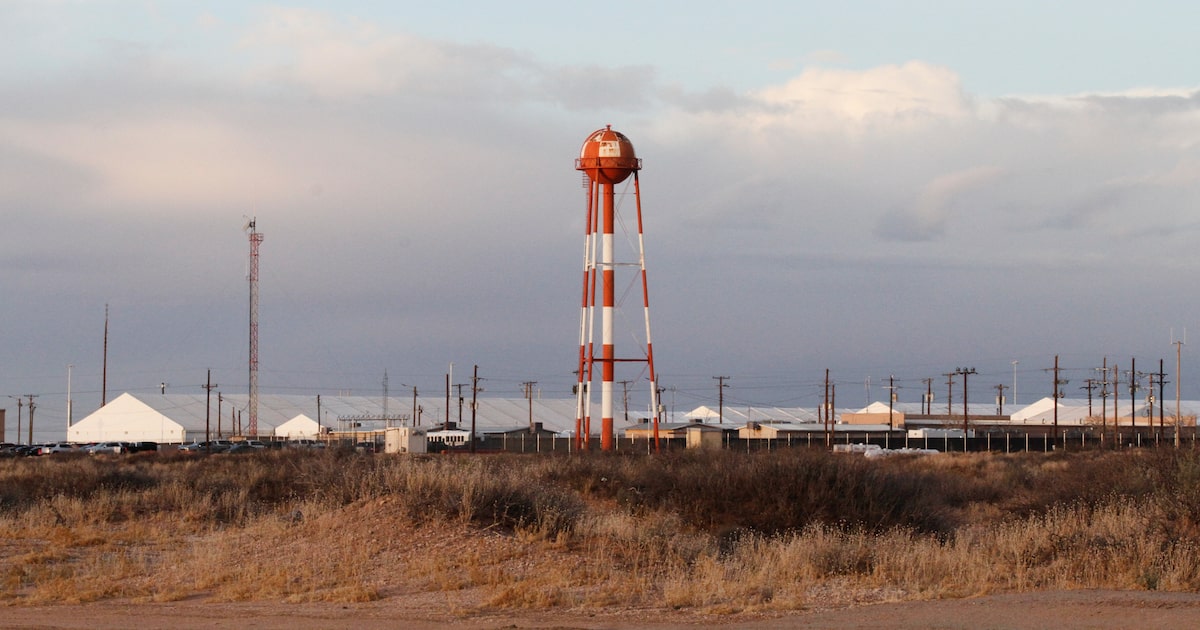
News stories resolve part of the discrepancy. Two U.S. Immigration and Customs Enforcement facilities, which are not required to report measles to state health authorities, have had multiple cases of the highly contagious virus. Camp East Montana outside of El Paso has acknowledged 14 infections and the family detention center in Dilley had two cases.
That leaves 59 mystery infections. With a virus as contagious and potentially debilitating as measles, any unanswered question about who has it and where they acquired it is unsettling.
Opinion
The lack of information is unacceptable.
Consider the historical context. Ninety-three cases of measles is a lot. It is not normal for Texas to have 93 cases in a year, much less three months. There were only 39 cases reported statewide during the decade between 2015 and 2024. The United States had eliminated this disease, and the state should not experience more than a handful of cases each year.
Also, measles is extremely contagious. Nine out of 10 unvaccinated people who spend time in a room near someone actively infected with the virus will walk away with measles.
That’s why a measles outbreak in a congregate setting like a detention center, where large numbers of people with unknown vaccination histories live close together, is serious. The disease can spread before administrators realize it’s there, and employees, visitors and vendors can unwittingly carry the virus into the community.
News stories already had raised concerns about the quality of medical care at the sprawling El Paso facility, where detainees are held in enormous, semi-permanent tents. Earlier this month, news reports said ICE officials are canceling the camp’s current management contract — less than a year after it began accepting detainees — and hiring a new operator. That change is as likely to lead to more chaos as it is to improve conditions at the camp.
For all we know, the number of cases posted on the CDC website could be a mistake or a misunderstanding. Maybe the digits were transposed. In response to a list of emailed questions, ICE replied only that there were no active measles infections as of March 12, that detainees receive comprehensive medical care and no detainee had to be hospitalized. CDC officials did not respond to an email by publication time.
State public health officials have consistently and promptly answered questions and clarified confusion. That’s what they did during last year’s South Plains measles outbreak, and that’s why we trust their case counts now.
The federal government, however, has a lot of explaining to do.
We welcome your thoughts in a letter to the editor. See the guidelines and submit your letter here.
If you have problems with the form, you can submit via email at letters@dallasnews.com