
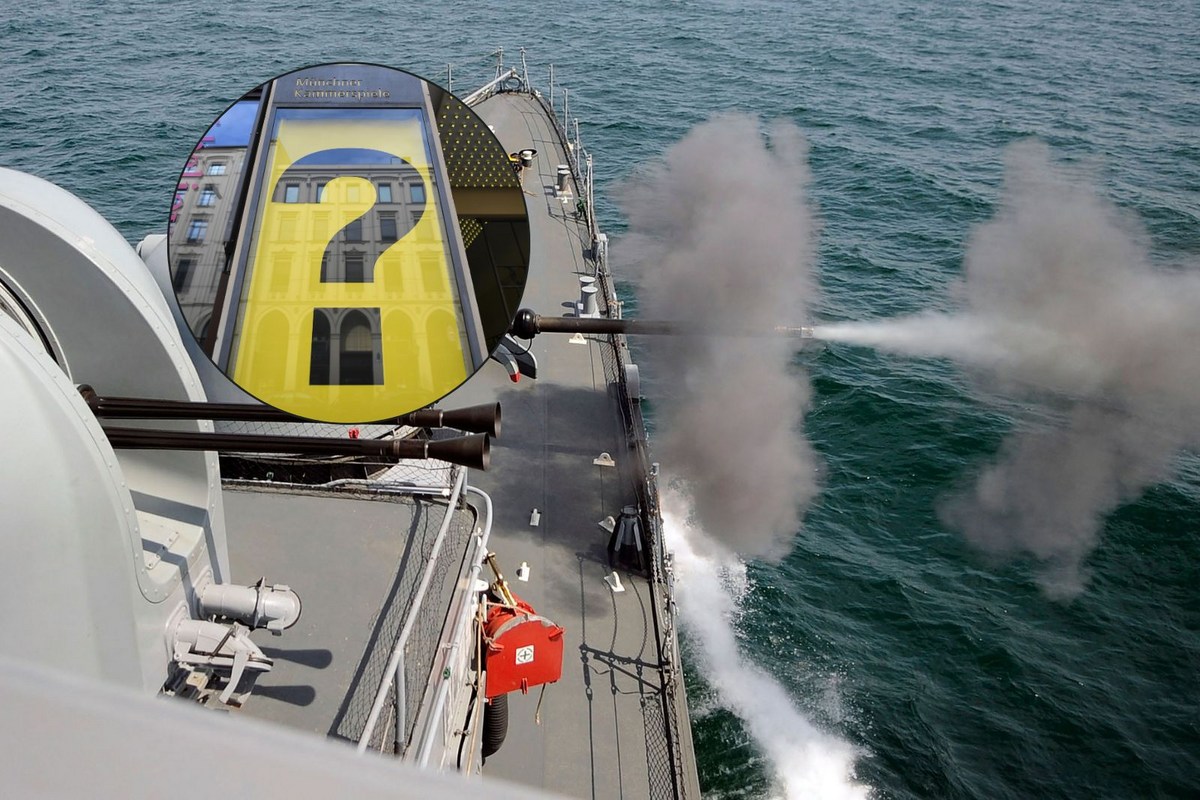
The United States military has resumed testing of a electromagnetic weapon capable of firing solid, metal projectiles over incredible distances in New Mexico.
White Sands Missile Range, located about 70 miles north of El Paso, (25 miles from Las Cruces), was the site of new tests by the US Navy of a new electromagnetic railgun system meant to be placed aboard naval vessels.
The weapon has faced many technical and budget problems but testing resumed in February at White Sands Missile Range.
Railguns are weapons \that use electricity rather than a chemical propellant, (gun powder), to fire projectiles over distances far greater than “black powder” rounds can go.
Other countries are also experimenting with rail guns.
Japan has begun deploying an early railgun prototype on a naval vessel for further testing, while China has reportedly modified several ships to support trials of similar systems designed to evaluate the technology at sea. – defense-blog.com
Why Are Railguns Better?
Gunpowder has to be carried with the projectile which makes it heavier and hard to handle due to the volatile nature of gunpowder. (In other words, it may explode before you want it to.) Railguns not only eliminate the powder issues, they can also hit targets much farther away.
What Distance Can Railguns Hit?
The distance projectiles can travel is another big plus for railguns. According to howstuffworks, “current Navy guns have a maximum range of 12 miles”.
READ MORE: Every Single Texans Owns This Weapon
Railguns giggle at that being able to hit a target 250 miles away in as little as 6 minutes. (howstuffworks)
Rounds Fired From Railguns Are Faster
Howstuffworks says “the muzzle velocity of projectiles propelled by gunpowder is generally limited to about 4,000 feet (about 1,219 meters) per second”. while projectiles fired by railguns can be hit “up to 52,493 feet (16,000 meters) per second”.
BIG difference …
16 Rock Stars Who Served in the U.S. Military
A salute to veterans who served their country.
Gallery Credit: Allison Rapp