
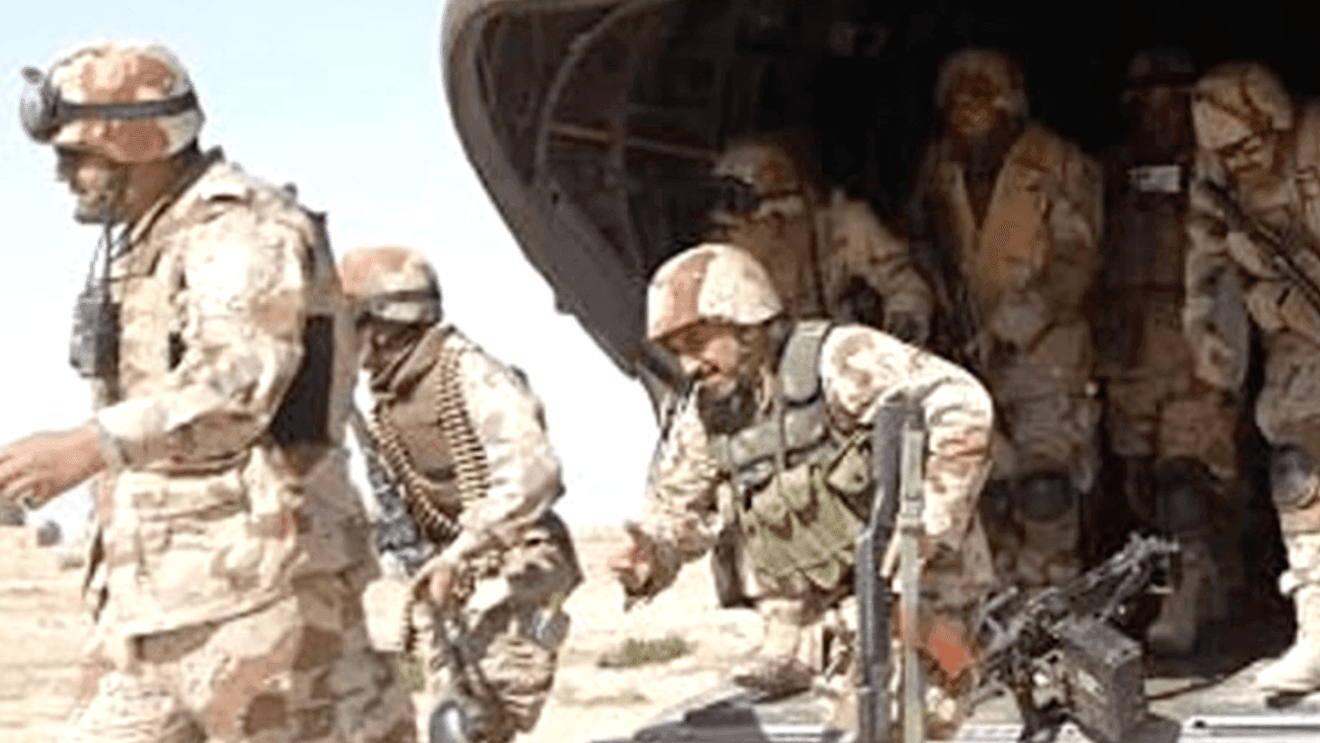
WASHINGTON (TNND) — The U.S. military’s global reach was on display in 2003, when American forces captured ousted Iraqi dictator Saddam Hussein after a nine-month pursuit following the start of Operation Iraqi Freedom.
Amazing America 250: Col. Keller recalls Iraq deployment during hunt for Saddam Hussein (TNND)
Retired Col. Michael Keller, who served 29 years in the military and deployed overseas seven times to Iraq, said he was “boots on the ground for the liberation of the Iraqi people” during the U.S.-led coalition’s effort to topple Hussein’s regime.
Operation Iraqi Freedom launched in March 2003. Keller said the unit he belonged to supported the Marines, specifically the I Marine Expeditionary Force. As U.S. forces moved into Iraq, Baghdad fell quickly, but Hussein escaped and went into hiding.
Keller said he was assigned to a team sent to Tikrit, Hussein’s hometown, and lived near the special operations forces involved in the mission that ultimately led to Hussein’s capture.
“We coincidentally lived right next door to the house on the compound that the special operations team lived in,” Keller said. “So whenever there was a mission going on, we kind of had an idea when they spun up the helicopters.”
Keller said he learned about Hussein’s capture not through official military channels, but from local workers at the dining facility.
“And oddly, I learned of his capture not through military channels, but through the locals who worked in the dining facility,” Keller said. “They spread the rumors throughout the camp.”
Amazing America 250: Col. Keller recalls Iraq deployment during hunt for Saddam Hussein (TNND)
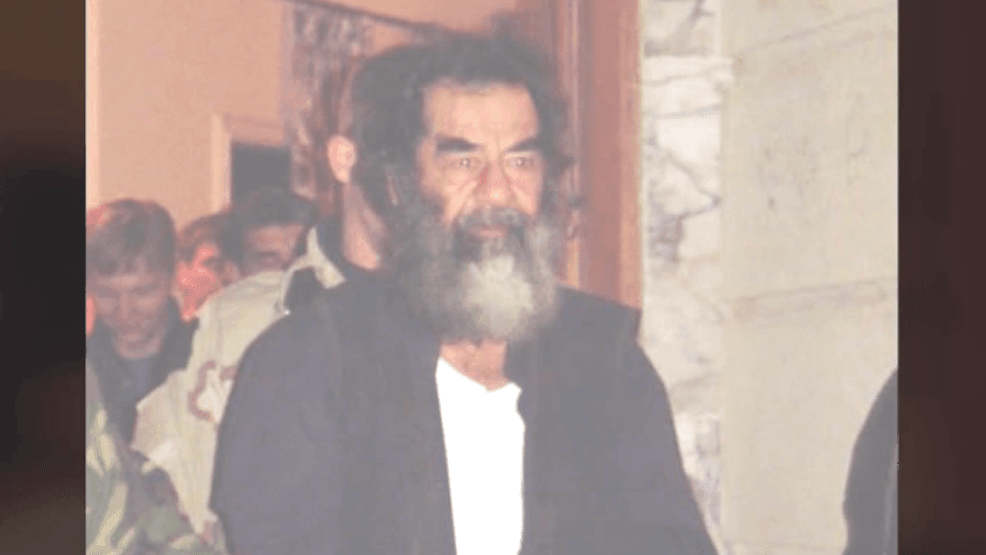
Hussein was found hiding in a “spider hole” on a rural farm south of Tikrit, where Keller was stationed. Keller described the concealment used to hide the underground space.
“The hole itself was covered or concealed with a big block of styrofoam and some palm branches and things like that,” Keller said. “And so that’s where the operators found and extracted Saddam from that hole.”
Reflecting on the operation and the broader mission, Keller said the U.S. military’s success comes from its standards and the people who serve.
“We set the standard for professionalism and for operational integrity and capability,” Keller said. “Something that soldiers, sailors, airmen, Marines, and now guardsmen, work on a regular basis. And my hat’s off to all of them, to the men and women of the United States Armed Forces.”