
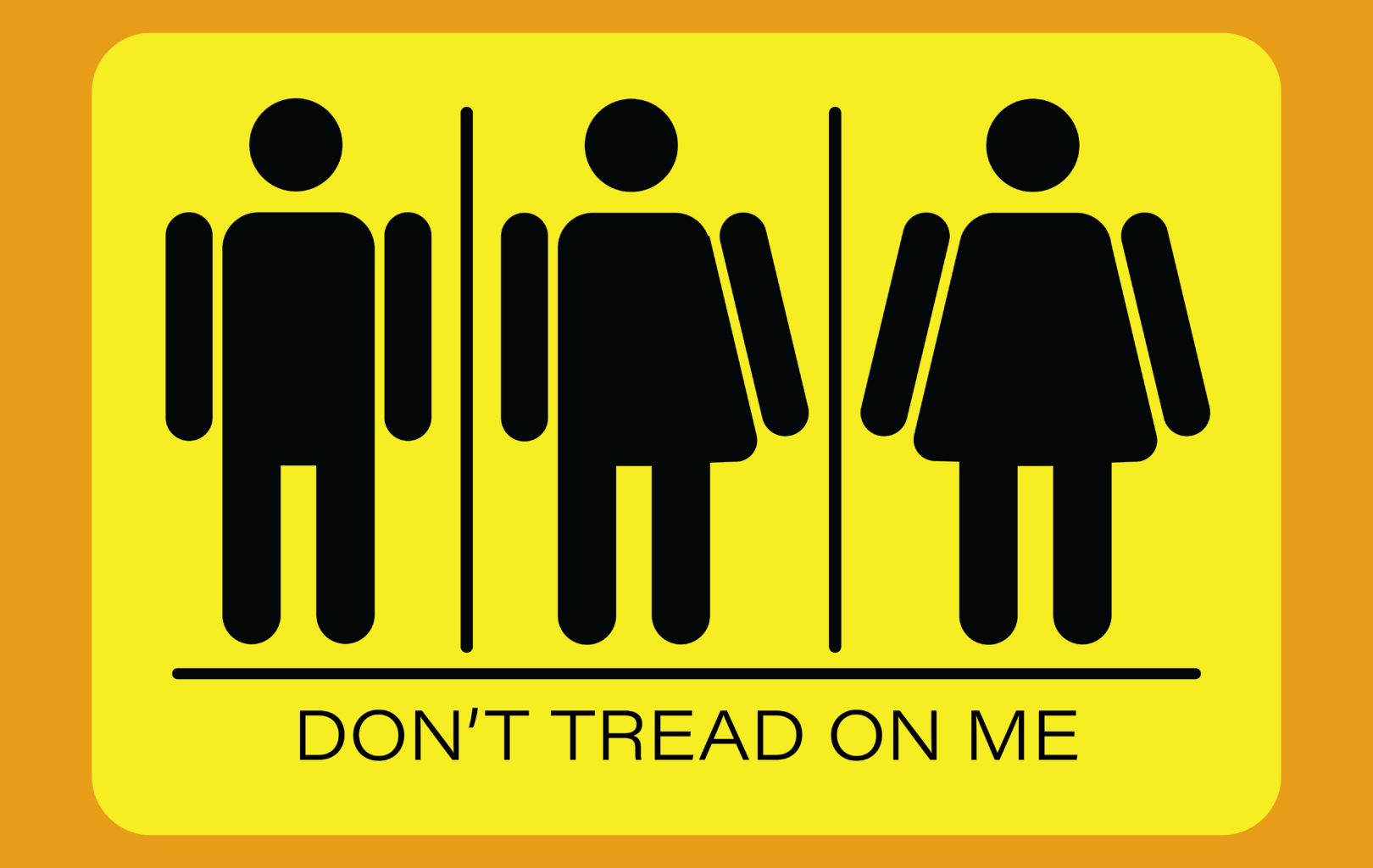
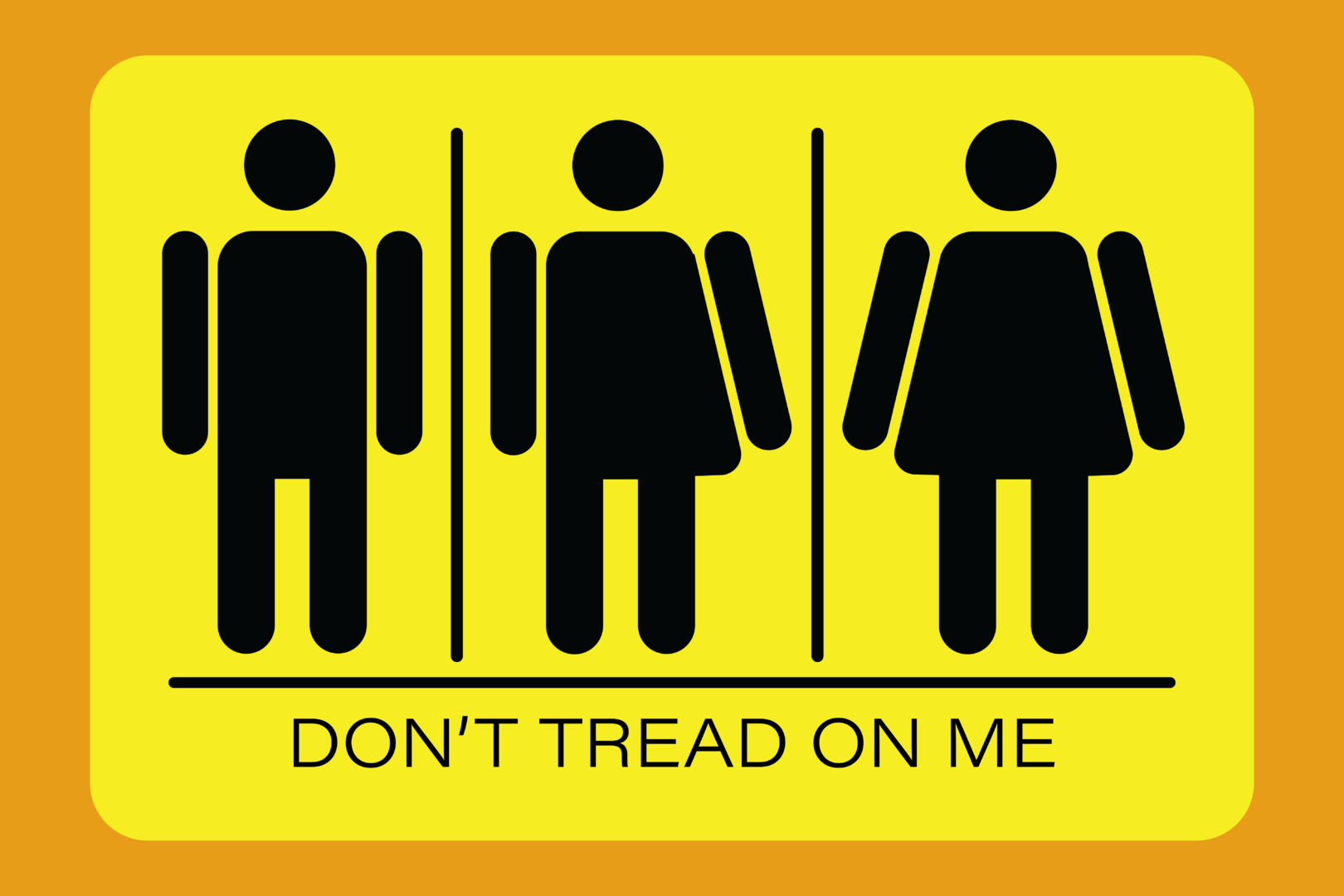
 The American cultural war isn’t just being fought in debate stages or political rallies, it has found a battleground in the most private and intimate spaces in our lives: bathrooms.
In January, Texas lawmakers imposed SB8, leading UH to lawfully comply with the restrictions, specifically removing the gender-neutral bathroom in the Graduate College of Social Work.
This law by itself represents a landmine for a significant portion of the student body whose comfort is predicated on having a space free from gender norms. The adjacent stipulation in the bill restricting individuals to bathrooms of their birth sex is equivalent to anarchy.
Who gets to decide if you are man or woman enough to be allowed into a restroom? How will this be enforced? The answers to these questions are ambiguous, with the reasoning seeping into absurdity.
Laws against gender-neutral bathrooms are contrary to promoting safety and privacy, while simultaneously preaching those values.
Putting the responsibility on universities to decide or get fined lets the state get away scot-free with enforcing this ludicrous policy. Safety, on which this bill was built, applies to every individual.
Necessity
Gender-neutral bathrooms were not birthed out of laws trying to dictate social order or by affluent individuals using their money to push society in a direction; they were engineered out of necessity.
The necessity that people who do not wish to face harassment or discrimination by not adhering to arbitrary gender rules deserve a safe space just as much as any person.
There were no laws that enforced places to create these spaces. There was an understanding that a growing number of people needed a space where they would not be questioned on whether they presented themselves adequately enough as men or women.
Businesses and places such as universities choose to do this so they can be valued for being supportive of individual rights and not being anchored to the past.
Supporters of the bill will argue that the inclusion of these spaces is pushing society, and specifically children, towards a specific ideological direction.
You can equally argue that prohibiting such places is also akin to indoctrination, with many proponents of the bill using religious testimony as justification for what is and isn’t considered socially normal.
The intent in these laws has little to do with safety and more to do with lawmakers using their legislative powers to push their beliefs onto others. The elimination of gender-neutral bathrooms will not stop people from choosing to identify as whichever gender they so choose.
Transgender individuals or people who don’t choose to follow the traditional gender roles of their birth sex have existed across humanity’s timespan on this earth.
It is their choice to make the decision to do so, even though they face daily harassment, stigmatism and legal repercussions that are encouraging them otherwise. Their existence is a guarantee, and the existence of gender-neutral bathrooms should likewise be definite.
Safety
The measure of the safety of a society is often dictated by how harsh the punishment is for those who transgress the law, puzzlingly, whether the populace feels free to live without being harmed is often not taken into account.
The laws enacted in SB8 adhere to this specific quality; it constitutes harsh punishments that leave many individuals, transgender or not, feeling less comfortable and safe.
Gender-neutral bathrooms were always largely an addition to spaces that had gendered bathrooms and not an outright replacement for them. At UH, the Graduate College of Social Work had the traditional two bathrooms along with the gender-neutral bathrooms. People could choose whichever bathroom they felt most comfortable in, without feeling forced into one that didn’t match their identity.
The beauty of the design of social work bathrooms was that it was the most egalitarian and safe approach. It provided an avenue for people who felt they might be discriminated against, the option to live free of gender expectations.
Without the bathroom and the enactment of these laws, it forces both transgender and non-transgender people into the least safe environment.
People who don’t align with their traditional gender are forced into bathrooms where they are outsiders and are prone to harassment and discrimination. Likewise, cisgender people are involuntarily grouped with individuals of opposing genders in every way but the law.
This creates a lose-lose situation where the goals of safety and privacy are substituted for strict adherence to the legislative mandates lawmakers make up.
Society will progress or regress in whichever way it so chooses, but with the enactment of SB8, it points a gun at institutions and individuals, leading them hostage down a singular path.
The genesis of these laws is a roadblock for institutional freedom and civil rights, with the warrant of legislative punishment to lead it. In 100 years, we will see these laws hold the same value to society as they currently offer. These laws’ contribution to society in 100 years will be valued the exact same way as they are today. Absolutely nothing of value.
opinion@thedailycougar.com