
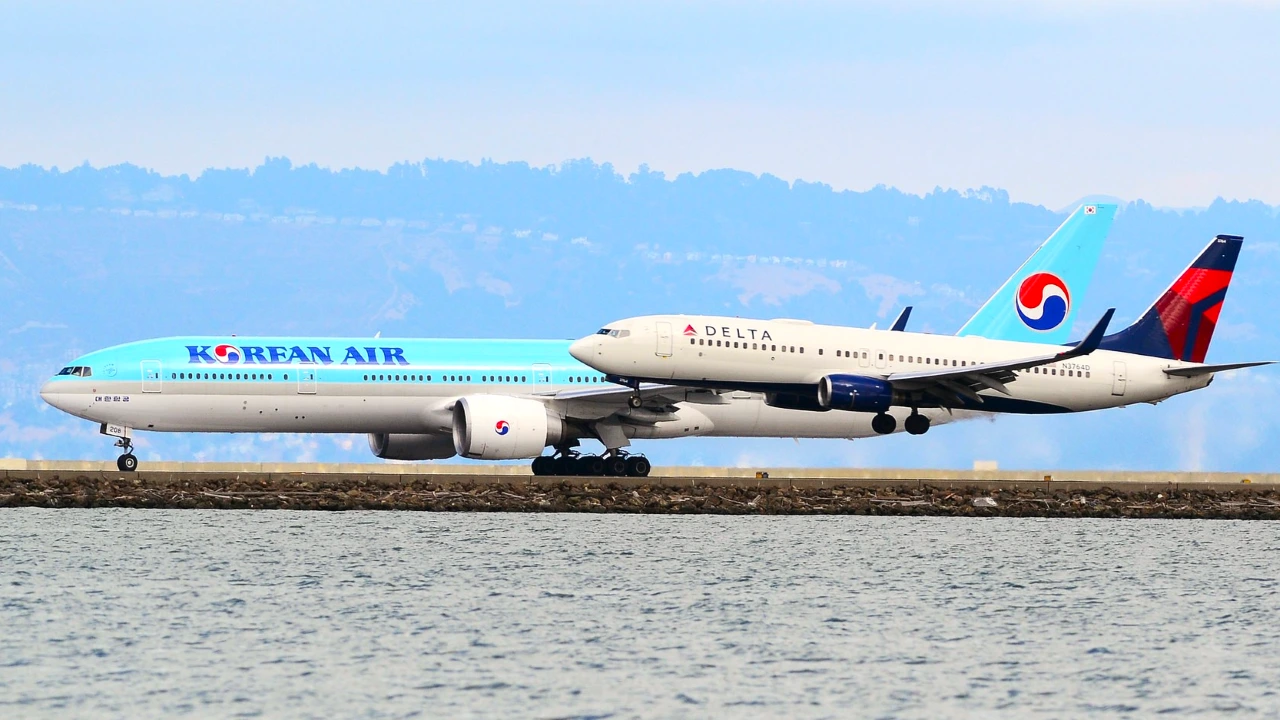
SEOUL- Korean Air (KE) and Delta Air Lines (DL) are actively discussing a direct Incheon–Austin route to support Samsung Electronics’ semiconductor expansion in Texas.
The proposed flight aims to reduce travel time, improve workforce mobility, and strengthen supply chain coordination between South Korea and the United States.
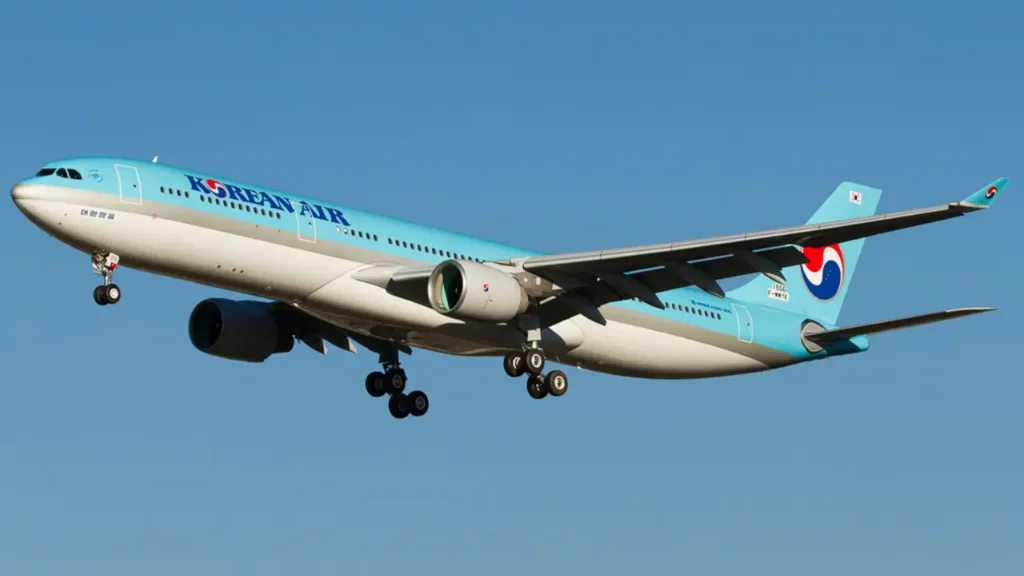 Photo: Clément Alloing
Korean Air and Delta Incheon to Austin Flight
Korean Air (KE) and Delta Air Lines (DL) held a roundtable discussion on March 11 in Austin, Texas, to evaluate the launch of a direct flight between Incheon and Austin.
The meeting included key airline officials and local stakeholders, reflecting growing urgency tied to semiconductor industry demand.
Participants included Lee Seung-hyuk, Deputy Head of the International Affairs Office at Korean Air, and Jeong Ho-yun, Head of the Pricing RM Department, responsible for analyzing air travel demand and pricing strategy.
Former Taylor Mayor Brent Rydell, who played a central role in securing Samsung Electronics’ investment, also attended and strongly supported the route.
Following the meeting, Brent Rydell stated that a direct connection would improve employee mobility, accelerate corporate decision-making, and strengthen supply chain integration.
He also emphasized that Austin and Taylor are positioned to become key links between the US and Asian economies.
According to Herald Corp, the renewed discussions reflect a demand-driven requirement rather than a speculative expansion.
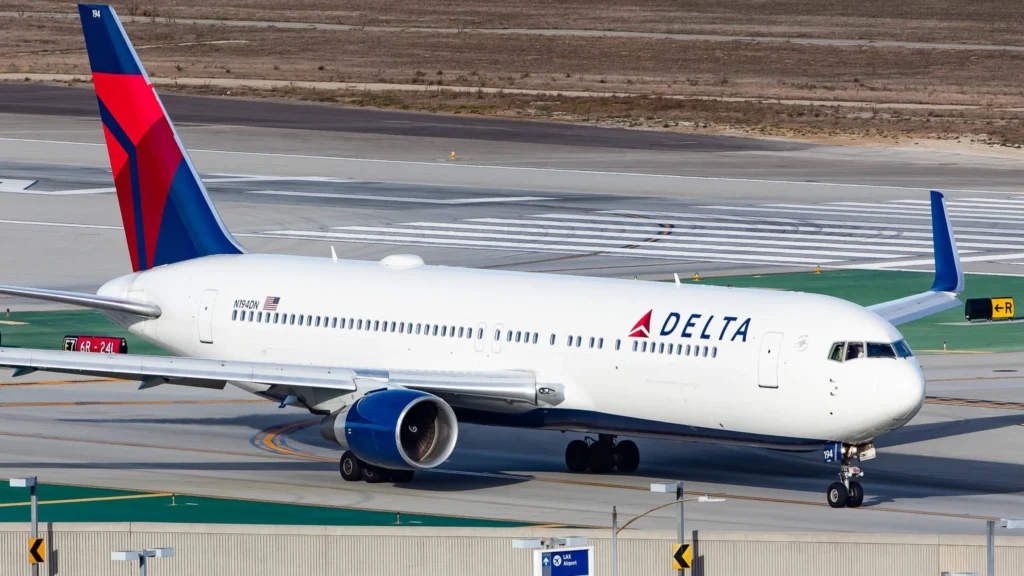 Photo: Clément Alloing
Samsung’s Texas Expansion
Samsung Electronics is preparing to begin operations at its advanced semiconductor facility in Taylor, Texas, in the second half of the year.
The project, valued at $37 billion, has been under development since 2022 and is now in its final stages, including equipment installation, nearly four years after groundbreaking.
The Taylor plant will produce chips using advanced 2nm process technology, targeting major U.S. clients such as Nvidia, Tesla, Apple, Qualcomm, and AMD.
In contrast, Samsung’s existing Austin facility focuses on mature process nodes, making Taylor a critical hub for next-generation semiconductor manufacturing.
Recent momentum has been reinforced by Samsung securing orders related to Apple iPhone image sensors, which has improved the utilization outlook and strengthened the business case for enhanced international connectivity.
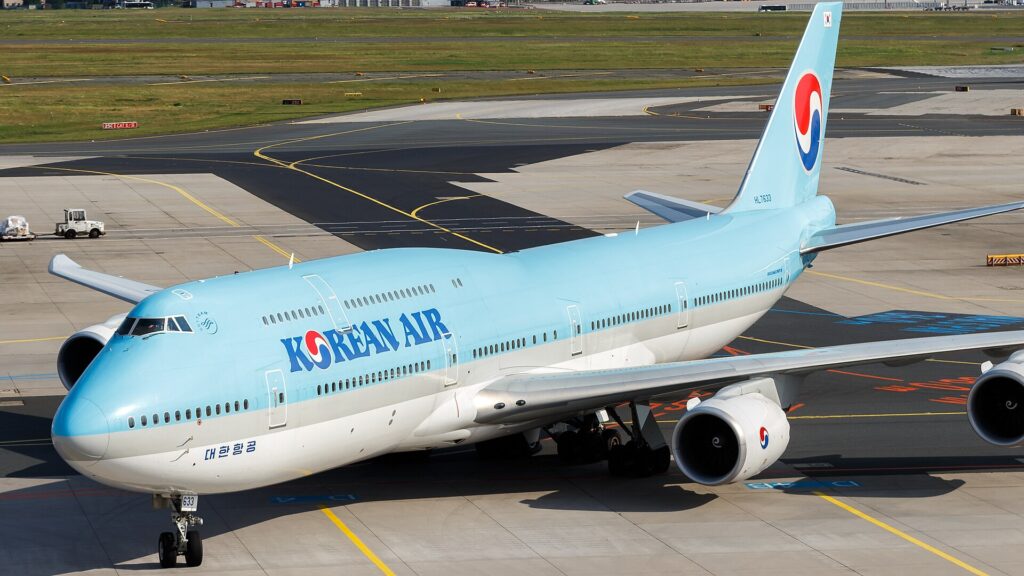 Photo: By tjdarmstadt – IMG_8483.jpg, CC BY 2.0, https://commons.wikimedia.org/w/index.php?curid=61529842
Current Travel Constraints and Connectivity Gap
There are currently no direct flights between South Korea and Austin. Travelers must transit through major US hubs such as Dallas Fort Worth International Airport (DFW) or Los Angeles International Airport (LOS) before taking a domestic connection to Austin.
This multi-leg journey typically exceeds 18 hours, creating inefficiencies for business travelers and supply chain coordination.
A direct Incheon–Austin route would significantly reduce travel time and improve operational efficiency for executives, engineers, and partners.
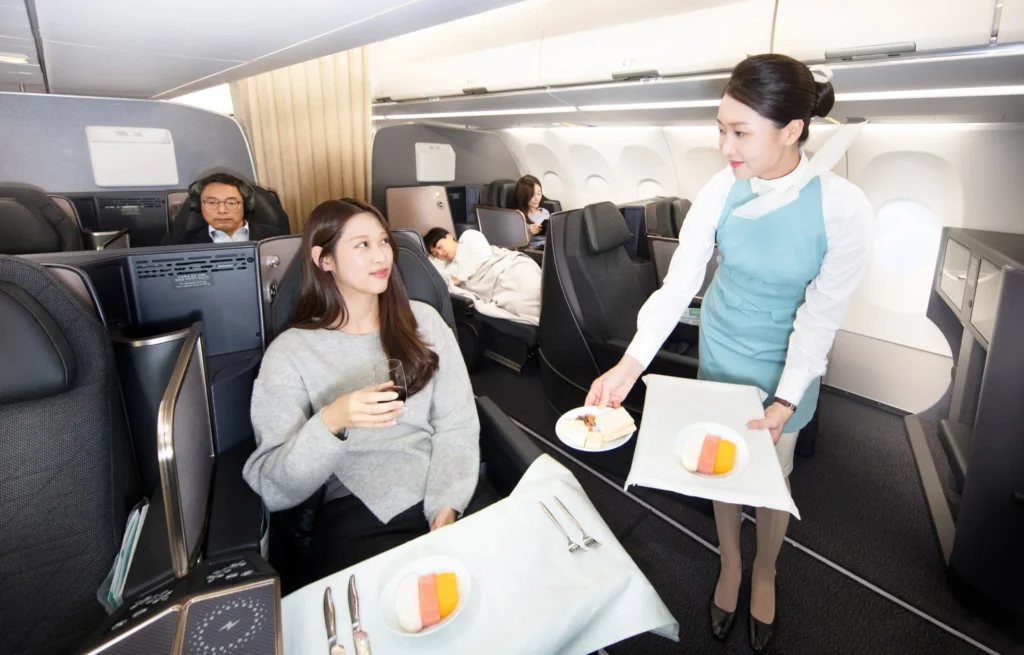 Photo: Korean Air
Growing Semiconductor Ecosystem in Taylor
Taylor, located approximately 25 kilometers north of Austin, is rapidly developing into a semiconductor cluster.
A large number of Korean materials, parts, and equipment companies have established a presence in the region to support Samsung’s operations.
Improved air connectivity is expected to enhance collaboration across this ecosystem, enabling faster movement of personnel and supporting business expansion opportunities. Industry officials note that direct flights would play a critical role in sustaining long-term industrial growth.
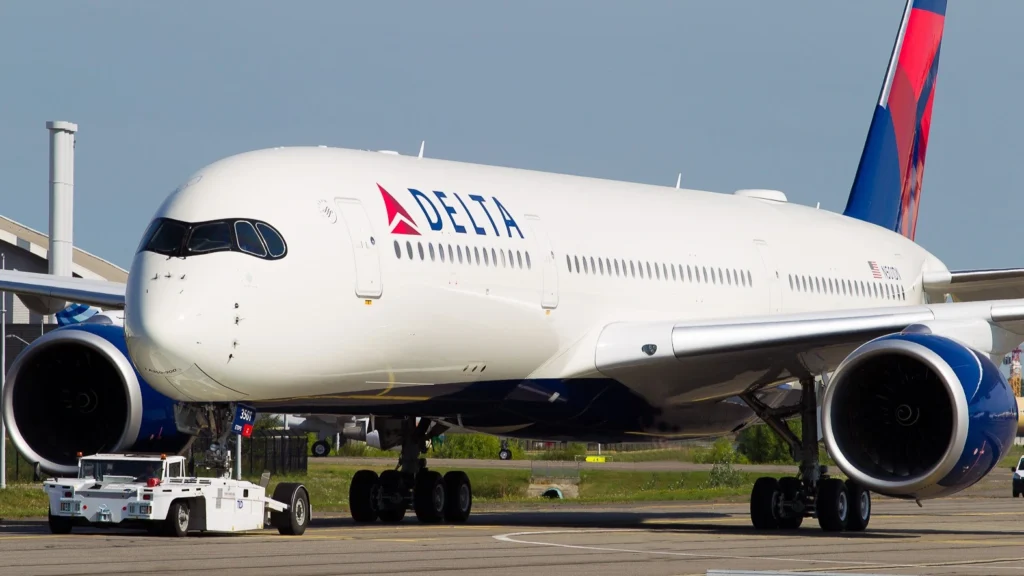 Photo: Clément Alloing
Strategic Importance and Earlier Route Plans
Texas continues to compete aggressively to attract foreign investment and strengthen its position in global semiconductor manufacturing.
The establishment of direct international routes is seen as a key infrastructure component to support this strategy.
The proposed Incheon–Austin connection would enhance trade, improve supply chain resilience, and reinforce economic ties between the United States and Asia. It aligns with broader efforts to localize advanced chip production while maintaining global integration.
Korean Air previously explored launching a direct Incheon–Austin route in 2022 following Samsung’s initial investment announcement. However, the plan did not proceed due to limited immediate demand and timing challenges.
With Samsung’s Taylor facility nearing operational readiness and new business opportunities emerging, airlines are revisiting the proposal with stronger demand forecasts and clearer commercial viability.
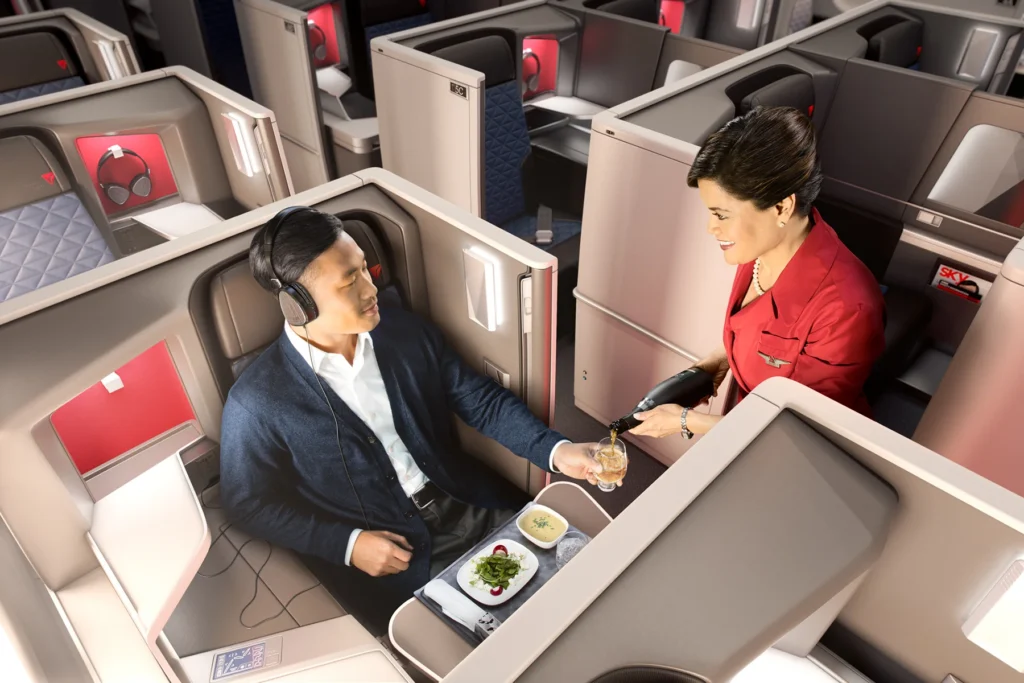 Photo: Delta Flight Museum
Future Outlook
Discussions between airlines and stakeholders indicate increasing alignment on the need for direct connectivity.
The final decision will depend on sustained passenger demand, cargo volume, and long-term industry growth.
If implemented, the Incheon–Austin route is expected to become a key aviation link supporting semiconductor supply chains and strengthening economic connectivity between South Korea and the United States.
Stay tuned with us. Further, follow us on social media for the latest updates.
Join us on Telegram Group for the Latest Aviation Updates. Subsequently, follow us on Google News