


From left to right, Brent Beasley of the Fort Worth Education Partnership; Trenace Dorsey-Hollins of Parent Shield Fort Worth; Domingo Morel, associate professor of political science at New York University; Cynthia Rincon, education attorney and partner at O’Hanlon, Demerath & Castillo; and Samantha Stimson, teacher and English Department chair at O.D. Wyatt High School in Fort Worth ISD speak about the state takeover of Fort Worth ISD during a panel event at Texas A&M University School of Law in downtown Fort Worth on Wednesday, March 18, 2026.
Lina Ruiz
lruiz@star-telegram.com
As the state takeover of the Fort Worth Independent School District closes in, experts in education, policy and law shared insights on what’s currently happening in the district and what’s expected to come.
A roundtable discussion at Texas A&M University School of Law in downtown Fort Worth on Wednesday, March 18, unpacked legal background, research on state takeovers and perspectives from teachers and parents. Texas Education Commissioner Mike Morath is expected to make superintendent and board of managers appointments soon, which will officially mark the beginning of complete state intervention in Tarrant County’s largest school district.
The discussion, organized by Professor Rachel Moran, who is also director of the school’s education law program, was moderated by Brent Beasley, president and CEO of the Fort Worth Education Partnership. State Sen. Taylor Rehmet, former Tarrant County Commissioner Roy Charles Brooks and current Fort Worth ISD school board members Michael Ryan, Tobi Jackson and Quinton “Q” Phillips were among attendees in the audience.
In addition to Beasley, the panel speakers included:
Domingo Morel, associate professor of political science at New York UniversityCynthia Rincon, education attorney and partner at O’Hanlon, Demerath & CastilloSamantha Stimson, teacher and English Department chair at O.D. Wyatt High School in Fort Worth ISDTrenace Dorsey-Hollins, executive director of Parent Shield Fort Worth
The prospect of the state takeover has created confusion, fear and instability in the classroom, Stimson said. Students with learning gaps are being left behind because of the fast pace of lessons required by the district, which Stimson said are similar to Houston ISD’s curriculum implemented with its takeover.
“The idea of the takeover has not really improved stability, rigor or outcomes. It’s created a system where teachers are less empowered, students are less supported and decisions seem to be less thoughtful,” Stimson said. “The system demands urgency but denies the conditions for real learning.”
The roundtable was hosted about six weeks after a panel of administrative law judges struck down Fort Worth ISD’s final appeal against the takeover, clearing the path for state intervention to move forward. Morath said in early March that his appointments for the board of managers, who will temporarily replace the elected school board, and for superintendent would be announced “in the coming weeks.”
The state intervention was prompted by a now-closed Fort Worth ISD campus receiving five failed accountability ratings in a row from the state. When this happens, state law requires the failing school be closed or the school board be replaced with a board of managers. The district had already closed the Leadership Academy at Forest Oak Sixth Grade when the final F rating was given, which was delayed by litigation.
Rincon, who has represented the Fort Worth ISD school board and school district, outlined this timeline leading to the final decision by the panel of administrative law judges. In her closing remarks of the discussion, she recognized the service of current Superintendent Karen Molinar and school board members while acknowledging the next phase of governance is approaching.
“We have to acknowledge the role of the commissioner and the TEA, and where we are now with regard to the next phase of governance for Fort Worth ISD. I hope that the focus remains — the focus must remain — on supporting the continued success and academic progress of the students in Fort Worth ISD in this new structure,” Rincon said.
Dorsey-Hollins, who provided the parent perspective, said the district has been on the path to a takeover for years, citing the historical lag in academic performance. Parents are hopeful about the changes coming forward and see it as an opportunity to steer the district in a positive direction, she said.
“Houston is making gains. That’s what we want for our kids. I’m not an educator. I’m not here to tell teachers how to teach. We’re not blaming teachers. We’re not blaming our trustees. But as a parent, we want to see our kids improve. We do not have years to continue to just let our kids stagnate,” Dorsey-Hollins said.
Morel, the professor who has also authored a book about state takeovers, critiqued state intervention as a political overreach that typically targets communities of color and Democratic areas. If takeovers were about helping academics and finances of school districts, they would happen more often, he said.
“We would have a lot of takeovers. I would venture to say thousands of takeovers across this country, but we don’t,” Morel said. “What happens when the state says, ‘We’re going to close schools; we’re going to fire teachers; we’re going to cut athletics; we’re going to cut music; we’re going to close the library,’ and the community doesn’t want that? I’m sorry to tell you: inevitably, that is what’s going to happen in Fort Worth ISD.”
Related Stories from Fort Worth Star-Telegram
Fort Worth Star-Telegram
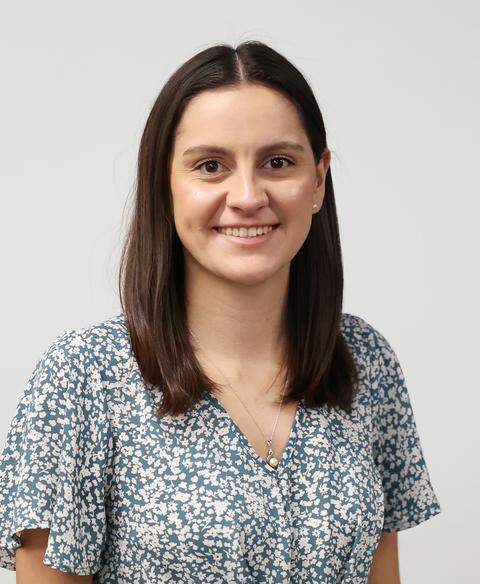
Lina Ruiz covers early childhood education in Tarrant County and North Texas for the Fort Worth Star-Telegram. A University of Florida graduate, she previously wrote about local government in South Florida for TCPalm and Treasure Coast Newspapers.