

On March 4, the San Antonio City Council received a briefing from both CPS Energy and the San Antonio Water System, or SAWS, on the potential growth and impact of data centers on the city.
During the meeting, Mayor Gina Ortiz Jones and council members expressed optimism that San Antonio will become a leader in responsible data center growth.
“We have the opportunity right now to lead in Texas to create a playbook where the rest of South Texas … could look at that and be like, Look at what San Antonio is doing, what the team in San Antonio has done,’” District 3 council member Phyllis Viagran said.
Current situation
During the briefing, council members emphasized they are not anti-data center, but they are anti-unplanned, unbuffered growth. Multiple members said any future data center growth must be filtered through the need to create a comprehensive model tailored to local water resources—such as the Edwards Aquifer and SAWS’ recycled water system— grid structure, land use and neighborhood concerns.
Jones said that city officials would prioritize open communication with residents about any data center development.
“We’ve seen in other cities that communities around data centers can face higher rates of respiratory illness, which is why we’re insisting on strong public‑health protections, clear controls and real transparency around how these facilities are operated—not blind trust,” Jones said.
District 10 council member Marc Whyte said bringing data centers to the city is essential for securing high-paying jobs and increasing the tax base without burdening residents.
“We need to figure out how we’re going to get more of these data centers here, and we’ve got to do it responsibly … because the jobs and revenue they can bring to our city just cannot be ignored,” Whyte said.
District 9 council member Misty Spears said development should always be balanced with concerns over impacts to the city’s utilities.
“Many residents are concerned about the impact on water supply and our power grid, and the cost of each of those utilities. So I share those concerns,” Spears said.
The framework
According to the presentation, new data centers are rapidly appearing throughout Texas, especially AI-focused centers. However, these centers can create strain on existing utilities.
CPS Energy officials listed several needs related to transmission and distribution for new data centers.
CPS Energy needs include:
Significant transmission and distribution upgrades, ranging from hundreds to thousands of additional megawatts, to maintain the five-to-seven-year timeline for contracted projectsA workable tariff framework for data centers’ behind-the-meter generation that’s aligned with Texas Senate Bill 6 and Senate Bill 7 requirements, so big loads can drop off the grid during ERCOT emergenciesStructures to ensure data centers pay the full incremental costs, such as studies, interconnection and grid upgrades, so residential ratepayers do not subsidize their infrastructurePlanning certainty and data sharing from developers, so CPS knows which projects are real versus speculativeOperational flexibility and reliability protections to preserve power quality and reliability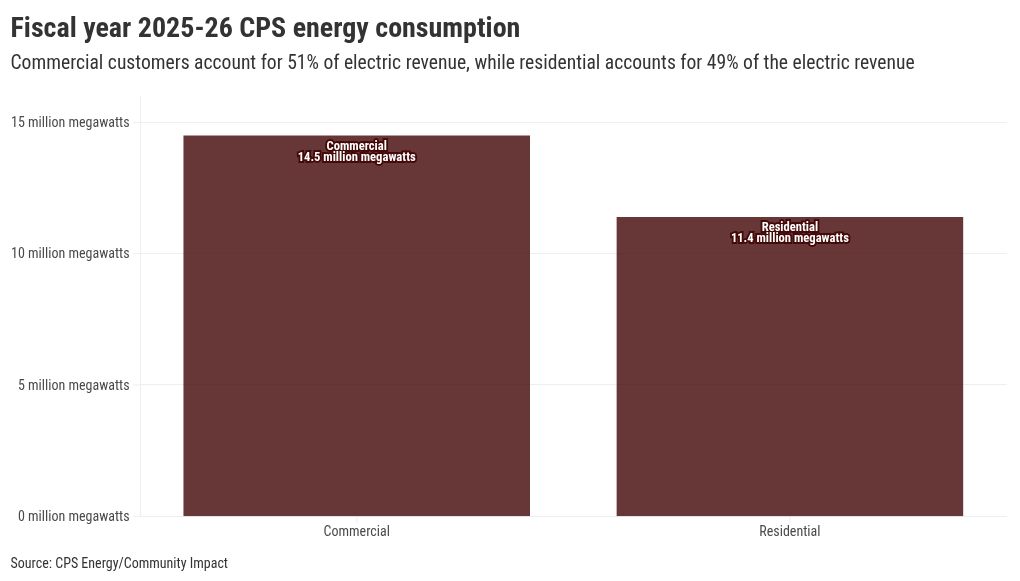
SAWS also listed several needs prior to future development to ensure the new data centers don’t compete with city water needs.
SAWS needs include:
Recycled water capacity and network expansion, including investments to expand the purple pipe systems west-east connection and site-specific improvements where clusters of data centers want to locateTechnology standards to reduce water intensity. This includes policies that discourage high-use evaporative cooling and encourage liquid or closed-loop cooling, which will keep total and peak water use manageable and preserve the recycled water supply during droughtsRequirements for data centers to have on-site storage, allowing centers to ride through recycled-system outagesA rate design that keeps recycled water attractive, while covering the full cost of serviceWater resources and public health safeguards. These include not incentivizing data centers to compete for Edwards Aquifer water rights, which will drive up prices, and environmental flow commitments and proper cooling-tower maintenance and controls to prevent risks of contaminants entering the water supply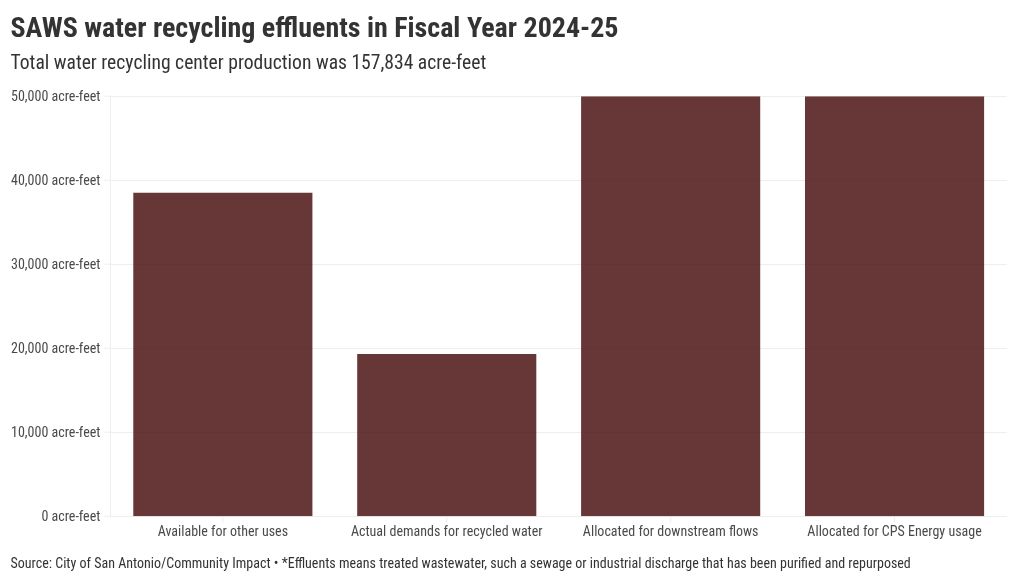 Zooming in
Additionally, the briefing looked at potential amendments to the Unified Development Code, or UDC, to regulate data centers.
Potential UDC regulations include:
Defining what a data center is in codeAligning water, energy, zoning and environmental standards into a single coherent policy packageLimiting applicable zones to C-3, general commercial, and I-1, light industrial, zonesLimiting applicable zones and adding a distance buffer, which would prevent them from being within 1,000 feet of incompatible uses, such as residences and parksAccording to city documents, these amendments are considered necessary because the existing UDC lacks a stand-alone data center use, and data centers are currently categorized as office data processing and management, which is permitted in most nonresidential districts.
Stay tuned
City and utility staff were asked to return with a series of information and drafts. This includes confirming whether any current data centers are over the Edwards Aquifer recharge zone and what the potential impacts are to the environment, aligning and confirming SAWS recycled-water planning numbers with CPS’s growth projections, a draft of UDC amendments and updates on the progress of any pilot projects.