
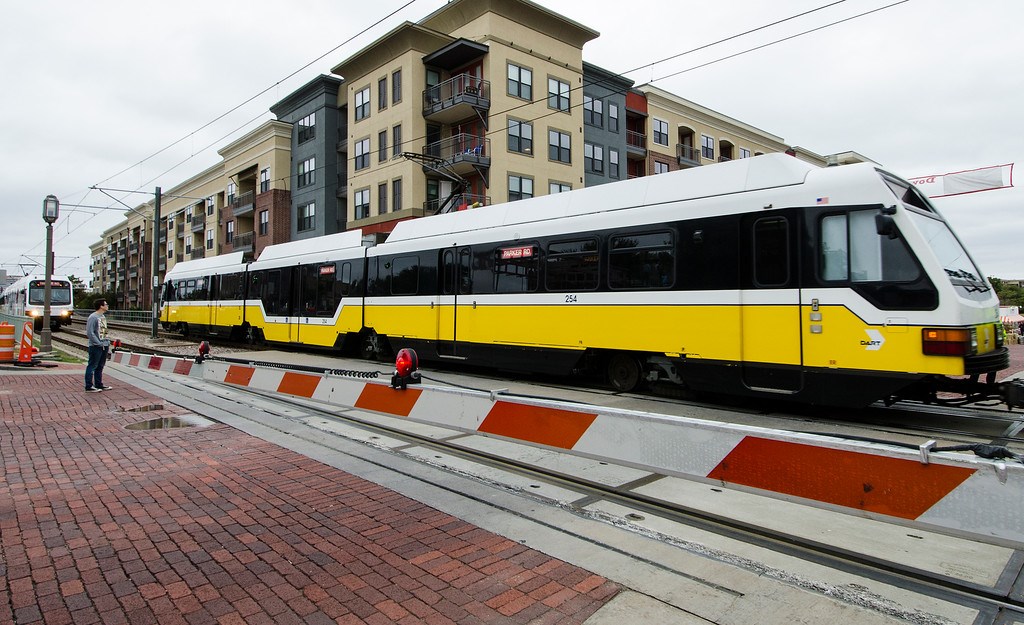
North Texas transportation leaders are once again looking north, as plans advance for a potential passenger rail connection linking Plano and McKinney aimed at improving mobility across one of the region’s fastest-growing corridors.
After months of uncertainty tied to regional transit funding debates, officials have approved a new study that could lay the groundwork for expanded rail service in Collin County.
A Long-Discussed Transit Link Back On Track
On March 12, the Regional Transportation Council unanimously approved a passenger rail study examining how transit could extend beyond Plano’s existing rail endpoints into McKinney. The proposed corridor would create a north-to-south connection designed to ease congestion while improving regional accessibility.
The study will evaluate multiple possibilities, including extending existing Dallas Area Rapid Transit service or developing a new regional rail model.
“We are calling it a passenger rail study for a reason because the southern terminus of this study is in Plano,” said Senior Program Manager of Transportation Planning with the North Central Texas Council of Governments, Dan Lamers. “This could conceivably be an extension of DART’s red line light rail. It could also conceivably be an extension of DART’s Silver Line.”
Consultants are expected to be selected in May 2026, with findings anticipated in early 2027.
Why The Study Is Moving Forward Now
The effort had previously stalled amid tensions between DART and several member cities over funding structures and tax revenue returns. Those disagreements placed major regional transit initiatives, including this study, on hold.
Momentum returned after Plano reversed course on a potential withdrawal from DART. In February, Plano City Council approved a new interlocal agreement guaranteeing a defined return of local tax dollars for city transportation projects, eliminating the need for a high-profile election that could have reshaped transit service across North Texas.
With that uncertainty resolved, planners at the North Central Texas Council of Governments can now move ahead with hiring consultants and formally launching the study process.
“We think now is the right time to go ahead and move forward with this study,” said Lamers.
What Rail Service Could Mean For McKinney
A key challenge remains: McKinney is not currently part of DART’s service area. Any future rail expansion would require new agreements between regional partners and potentially a restructuring of how transit service is delivered north of Plano.
As a result, the study will not only examine engineering and routing feasibility but also governance models — including whether DART would operate the line or if a separate regional rail authority would be created.
Regional officials say those conversations will begin alongside the study itself, focusing on how McKinney could be incorporated into a broader transit network.
Planning For Growth In Collin County
Collin County continues to rank among the fastest-growing areas in Texas, with population increases placing pressure on highways that already experience heavy commuter traffic. Transportation planners see expanded rail options as one potential tool to address long-term mobility needs while supporting continued economic development.
While construction remains years away — and not yet guaranteed — the newly approved study marks a significant first step toward reconnecting long-discussed transit ambitions between Plano and McKinney.
If ultimately pursued, the project could reshape how residents move through Collin County, linking communities that have historically relied almost entirely on car travel.
Don’t miss anything Local. Sign up for our free newsletter.