
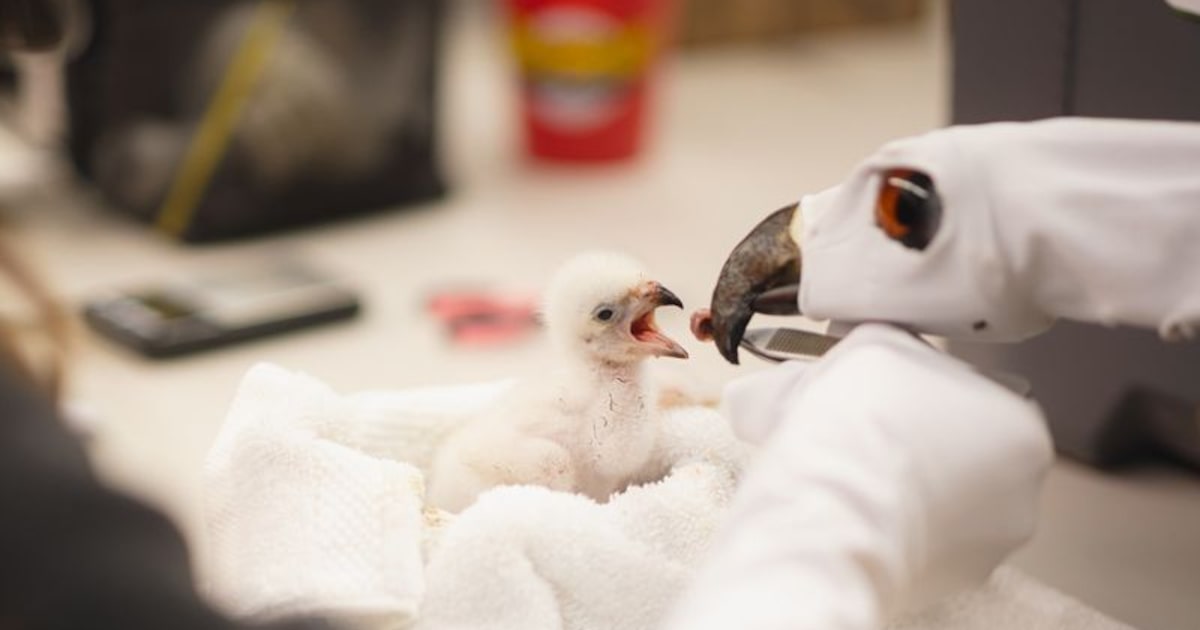
The Fort Worth Zoo has successfully hatched an African fish eagle, making it one of only five institutions in North America to house the rare raptor.
The chick was born about six weeks ago, zoo officials said Thursday in a news release, hatching at just 76 grams — the size and weight of a tennis ball.
It has since grown rapidly, nearly reaching its full size of about 25 to 30 inches tall and 5 to 8 pounds. Its name and gender have not yet been released.
Related

Breaking News
The news release said it was the first-ever successful hatching of any eagle species in the zoo’s 117-year history, but noted African fish eagles are “notoriously difficult to breed and hatch in professional care.”
“From carefully managed pairings and nest building to egg laying, incubation and hatching, each step requires precision, patience and expertise,” zoo officials wrote.
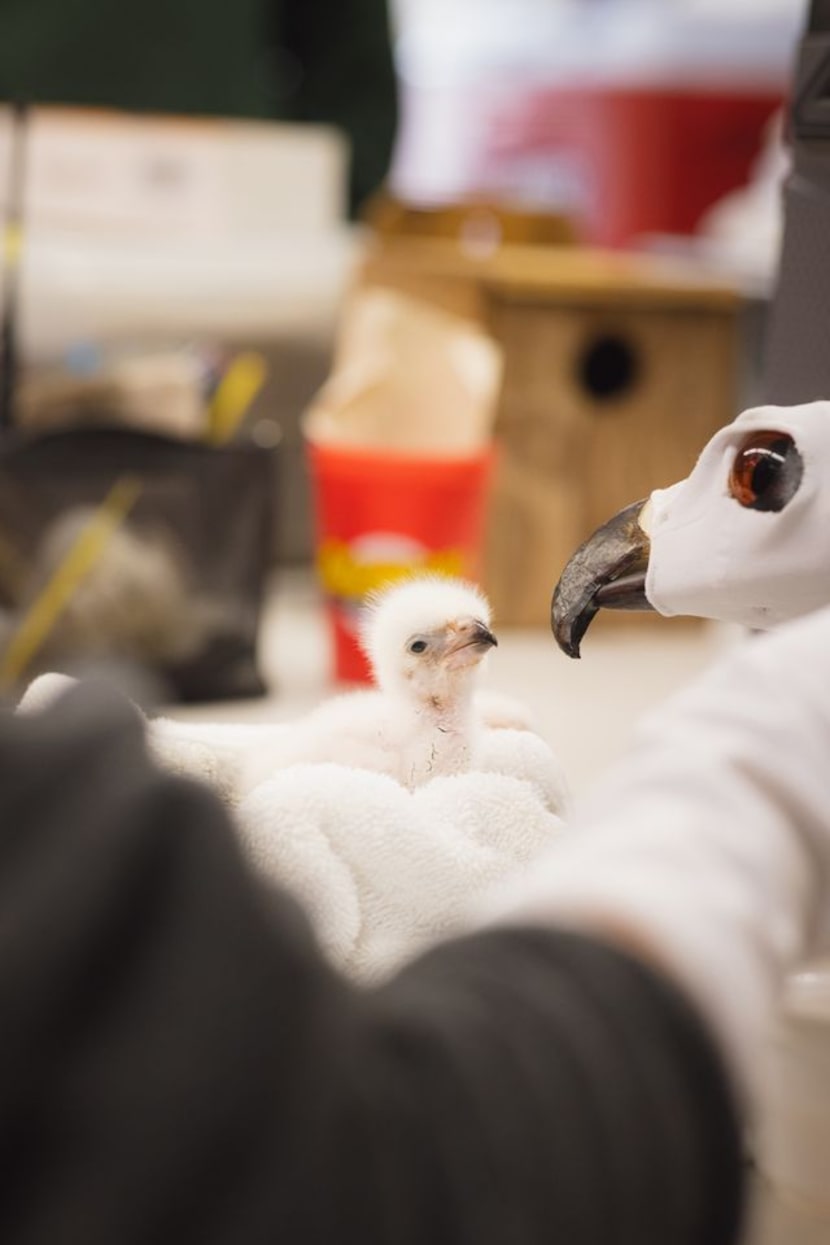
The Fort Worth Zoo announced Thursday the first-ever hatching of an African fish eagle chick in the zoo’s 117-year history.
Fort Worth Zoo
Given the bird was born to first-time parents, zookeepers have hand-reared the chick with around-the-clock care. To ensure the bird did not imprint on staff, the news release said they wore reflective shields and protective clothing, and used an adult eagle puppet for feeding.
The chick is currently housed in a protected space within its parents’ habitat, and keepers will continue to care for it until it’s big enough to fledge the nest.
According to the news release, fish eagle chicks in the wild start flying around 70 to 75 days old and remain close to their parents’ territory for two to three months before living on their own.
In addition to serving as a testament to their staff’s skills and expertise, zoo officials said they consider their new addition a “significant conservation achievement.”
“Establishing a sustainable population of African fish eagles in North American zoos is a critical goal … making each successful hatch an important step toward long-term population stability,” officials said in the news release.