
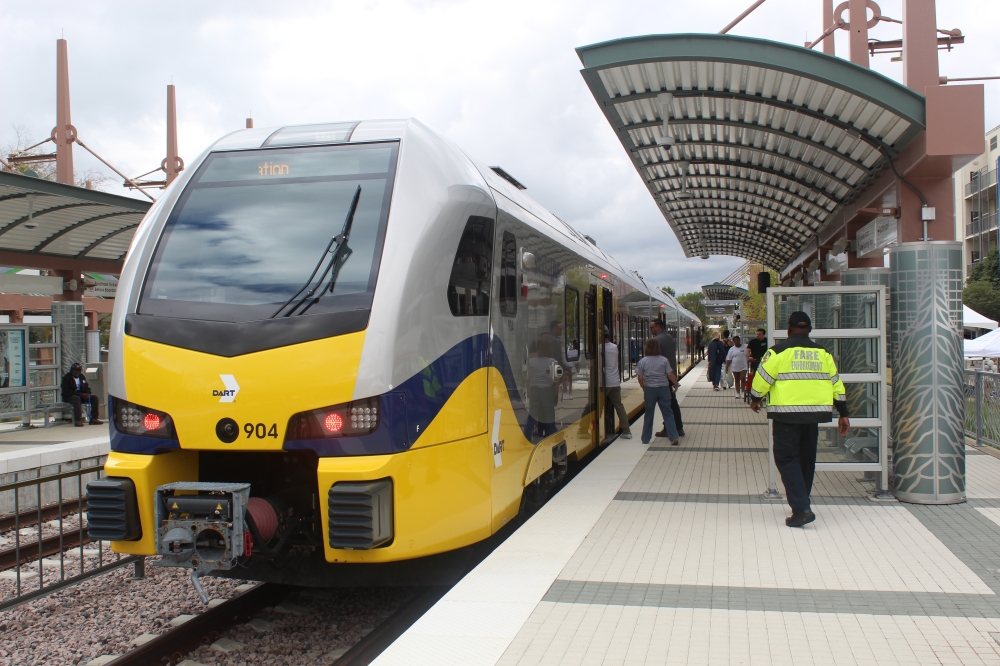
Three cities, including Addison, are set to vote on withdrawing from the Dallas Area Rapid Transit system in May, which could lead to immediate service changes for Richardson residents if cities vote to leave DART.
DART officials held a community meeting in Richardson on March 17 to discuss potential service impacts following the election, including bus route realignments and service closures in withdrawn cities.
City Manager Don Magner said he also expects to see long-term service changes due to reductions in DART’s budget after approving a new funding plan for member cities.
The big picture
While Plano, Irving and Farmers Branch canceled their withdrawal elections from DART following new governance and funding agreements, voters in University Park, Highland Park and Addison will still consider leaving the transit agency in May.
If any of these cities vote to withdraw, then DART will cease all services in that city the day after votes are canvassed, said Kay Shelton, DART chief of staff and chief strategy officer.
Service closures in any of these cities would affect rail services, bus routes, GoLink zones and paratransit services.
A closer look
If any of the three cities voted to withdraw from DART, then rail stations and bus stops would immediately close in those service areas after the election. The trains would run through but not stop in those cities, said Corey Morgan, who works in service planning at DART.
Morgan said some bus routes could be shortened and for Richardson riders, bus routes through Addison would be realigned to the nearby Knoll Trail Station to preserve connections and transfers.
“We’re trying to keep those connections as best as possible,” Morgan said.
GoLink zones, which are where DART’s on-demand vehicle service operates, would no longer include Addison, Highland Park and University Park if they withdrew from DART. Paratransit service in withdrawn cities would also be discontinued, with no trips to, out of or within any city that leaves DART.
Looking ahead
In addition to immediate service changes, DART would also experience a reduction in revenue if any city withdrew from the agency. This could lead to more changes down the line, Morgan said, although secondary financial and service implications are currently unknown.
Shelton said there are no plans for service frequency changes, such as fewer bus or train stops, this fiscal year, as the DART budget is already set.
Regardless of the withdrawal election outcomes, DART will experience definite financial impacts from its new funding plan that the agency negotiated with the rest of the member cities. DART agreed to return a portion of collected sales tax back to cities over the next six years for use on local transportation projects.
“No organization can cut $360 million from their budget over six years and not expect to have impacts,” Magner said.
Magner said the revenue cuts could result in less frequent rail trips as well as changes to bus services, particularly between cities. He said he expects Richardson to largely be impacted by regional service changes rather than changes to local routes and services, as many of Richardson’s routes are highly used.
“[University of Texas at Dallas’] Comet Cruiser route is still the highest-used bus route in the DART system,” Magner said. “We really want to make sure that we do everything we can to maintain the service levels on routes like that, because so many people will be impacted by it.”