
For decades, career ambition in Texas was often tied to major metros like Dallas or Austin. But a new national study suggests the future of opportunity may look different — and smaller.
Several Collin County communities are emerging as standout destinations for professional growth, proving that strong careers no longer require life in a dense urban core. According to a recent analysis by Coworking Cafe, cities such as Frisco and McKinney rank among the nation’s top small cities where economic opportunity and quality of life intersect.
The findings reinforce what many North Texans already experience firsthand: smaller, fast-growing suburbs are becoming powerful economic engines in their own right.
A New Model For Career Growth
The study evaluated 298 U.S. cities with populations under 250,000, measuring factors that influence both professional success and everyday livability. Researchers scored cities on a 100-point scale using metrics tied to income growth, workforce participation, affordability, healthcare access, education levels, commute times and remote-work readiness.
The results highlight a broader national shift. Rather than concentrating solely in large urban centers, economic momentum is spreading into smaller cities, particularly in Sun Belt regions and high-performing suburban hubs.
These communities share similar characteristics: strong wage growth, expanding employer bases and environments that support long-term stability alongside upward mobility.
Frisco: Economic Momentum Meets Everyday Livability
Frisco placed No. 11 nationwide, reflecting the city’s rapid evolution from suburb to employment powerhouse.
The study reports a median household income of $145,444, supported by wage growth of 33% since 2019. Workforce participation remains high at more than 74%, alongside low unemployment and a dense concentration of employers, roughly 3,050 establishments per 100,000 residents.
Infrastructure and livability also played a role in the ranking. Nearly universal fiber internet access, strong healthcare availability and high safety ratings help reinforce Frisco’s appeal not just as a place to work, but as a place to build a long-term lifestyle.
McKinney: Balancing Opportunity And Affordability
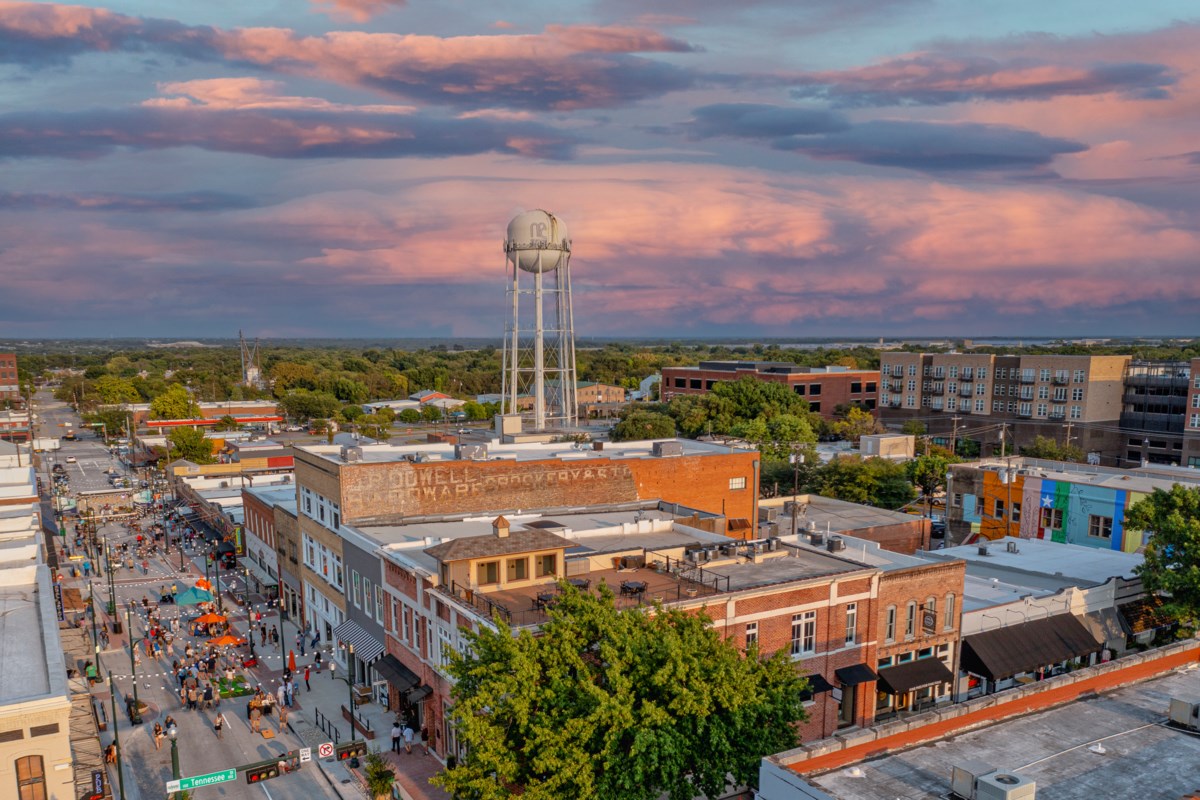
Just north of Frisco, McKinney secured the No. 20 spot on the list, driven by steady economic growth paired with community-focused livability.
The city recorded a median income of $124,177 and wage growth of 34% over the past five years, one of the strongest gains among ranked cities. Labor force participation sits at 72%, reflecting a highly active working population.
What distinguishes McKinney, according to the study’s findings, is balance. The city combines rising professional opportunities with relative affordability and access to amenities, making it attractive to both established professionals and growing families.
A Regional Pattern Emerges
The trend extends beyond Collin County. Nearby Flower Mound ranked No. 15 nationally, supported by a median household income exceeding $166,000 and wage growth of 25% between 2019 and 2024.
Together, these North Texas cities illustrate a broader regional advantage: suburban communities that pair economic acceleration with livable environments. Rather than sacrificing career prospects for space or affordability, residents increasingly find both in the same place.
Why Smaller Cities Are Winning
The study points to a defining characteristic shared by top-performing small cities: resilience. Many have experienced sustained, double-digit wage growth while maintaining manageable commute times, accessible healthcare and strong education systems.
In practical terms, that combination allows residents to pursue career advancement without many of the tradeoffs historically associated with large metropolitan living.
For Collin County, the rankings confirm an ongoing shift already visible on the ground: big careers are increasingly being built in smaller cities.
Don’t miss anything Local. Sign up for our free newsletter.