
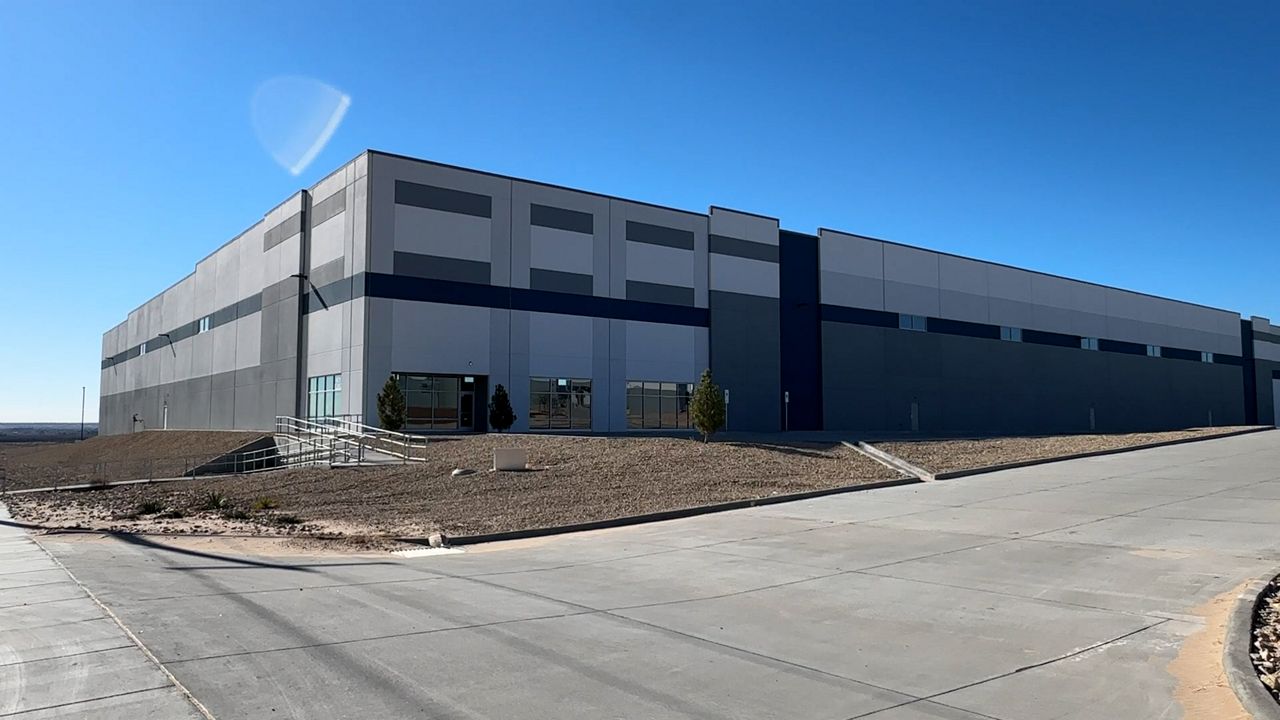
EL PASO, Texas — Questions and concerns are mounting over a possible large-scale immigration detention center planned for the El Paso area, as local officials say the federal government has shared little information about the project.
The uncertainty comes as new details emerge about three massive warehouses recently purchased by the U.S. Department of Homeland Security (DHS), properties that could soon be converted into one of the largest immigration detention facilities in the country.
According to a report presented to the El Paso County Commissioners Court, details about the federal government’s plans for the site remain scarce. County officials say the report was commissioned after growing community concern and widespread rumors about a potential “mega” detention complex.
“There were multiple reports, multiple complaints from the community about the rumors of a new mega detention site here in the El Paso area,” said Bernardo Cruz with the El Paso County Attorney’s Office. “One of the main tasks from the commissioners was to find out where the location was, what type of facility and learn as much information as possible.”
The report confirms that DHS purchased the three warehouses in January for $122 million from a private company. However, beyond the acquisition, many key questions remain unanswered.
“We really want to find out what their plan is,” Cruz said. “Are they going to provide safe water infrastructure? Are they going to follow environmental regulations? Even if they are the federal government, there are national safety standards they should follow.”
One of the most pressing issues raised by local leaders is the potential strain on water resources.
State Rep. Vincent Perez, D-El Paso, says the proposed facility could require between 850,000 and 1.6 million gallons of water per day, an amount he warns could significantly affect the region.
“Even in the middle range, we’re looking at over 1.2 million gallons per day for this facility,” Perez said.
He added that the location may not be equipped to handle that level of demand.
“The area where this facility is located doesn’t have enough water pressure for fire suppression systems and is going to decrease our supply of groundwater under current agreements,” Perez said.
Perez also raised concerns about how the project is being approved, suggesting federal officials may bypass standard environmental review processes.
“Any time a federal facility is built, there is normally an environmental document that examines how much water and natural resources will be used,” he said. “Because the administration is using emergency procedures, they are bypassing the environmental review.”
Concerns about immigration detention facilities are not limited to El Paso. In Bexar County, commissioners recently passed a resolution opposing the purchase of a warehouse in San Antonio for potential use as a migrant detention center. While largely symbolic, the move reflects growing calls for transparency and local input.
Perez says better communication from federal authorities could have avoided much of the current concern.
“Had they communicated or worked with local officials, they would have been told that this is the worst possible location for this type of detention center for 8,500 people,” he said.
For now, local leaders in El Paso say they are still awaiting clear answers about the scope, impact and future of the proposed facility. Until then, concerns over water usage, environmental impact and lack of transparency continue to grow.