

Growing up in Fort Worth’s Northside, Dennis Antonio Chiessa watched Fort Worth’s population boom.
He’s seen the city stream resources toward building out infrastructure on its far fringes, struggling to keep up with demand from ever-sprawling new neighborhoods.
All the while, historic communities such as Northside, a majority-Hispanic neighborhood of colorful houses and culture, fear losing their identities due to gentrification. As developers have bought up and repurposed land, property taxes have risen, and land has gone vacant.
Chiessa, now an urban planner who teaches at the University of Texas at Arlington, didn’t blame those community fears on the developers, economy or shifting demographics.
Rather, he traced them to what he sees as a 20-year divestment in long-term city planning.
Chiessa and three city planners with backgrounds within and outside Fort Worth’s City Hall told the Fort Worth Report that the city is at an inflection point in forming a long-term strategy to manage fast growth and encourage revitalization of its urban core.
On Thursday, some of these planning experts will discuss the current state of the city’s long-term planning strategy and what’s at stake for the future. The panel, “Urban Design Talk: Beyond the Fort Worth Way,” features Chiessa, former Fort Worth City Council member Ann Zadeh and Gary Gaston, a Nashville city planner who leads community-driven design strategies.
If you go
What: “Urban Design Talk: Beyond the Fort Worth Way,” featuring former Fort Worth City Council member Ann Zadeh, urban designer and UTA professor Dennis Antonio Chiessa and Nashville city planner Gary Gaston
When: Thursday, March 26, 6-8 p.m.
Where: Artes de La Rosa Cultural Center for the Arts; 1440 N. Main St., Fort Worth
Price: Free. Book a seat here.
Their discussion comes as Fort Worth adds nearly 2,000 new residents a month and eyes a spot in the country’s top 10 largest cities. Meanwhile, city leaders are developing a new comprehensive plan and seeking a top city planner — a position that has been practically nonexistent for nearly 20 years.
“It’s the role of the city government to make sure that all of the projects that are happening in the city are guided in some direction,” said Chiessa, whose design studio has worked with the city several times for urban planning projects.
Fernando Costa, a former longtime assistant city manager, said a city growing as fast as Fort Worth “cannot afford to make disjointed decisions.”
Costa led planning efforts in City Hall from 1998 until he retired in 2025 and has remained involved in revitalization and city planning efforts, including those in Northside, as a consultant and volunteer.
“All decisions should be coordinated and based upon how our actions today will affect our city in the future,” he said. “And that applies to practically every city department.”
Having — and sticking to — a long-term vision for Fort Worth is vital for sustainable development, Costa said. Without it, the city risks spreading tax-funded resources thin at the cost of the cultures and communities that make Cowtown unique.
In recent years, Fort Worth has poured hundreds of millions of dollars into road and water improvements to serve its growing population in areas such as the far north’s Bonds Ranch corridor and the western Walsh area.
The city regularly enters into agreements with developers to provide city services to future single-family subdivisions in former ranchland that’s up to nearly 30 miles away from downtown.
Of the $845 million on the ballot in the city’s upcoming bond election, $511.5 million is for road upgrades. Of that, a majority is dedicated to outside the 820 Loop that encompasses Fort Worth’s urban core.
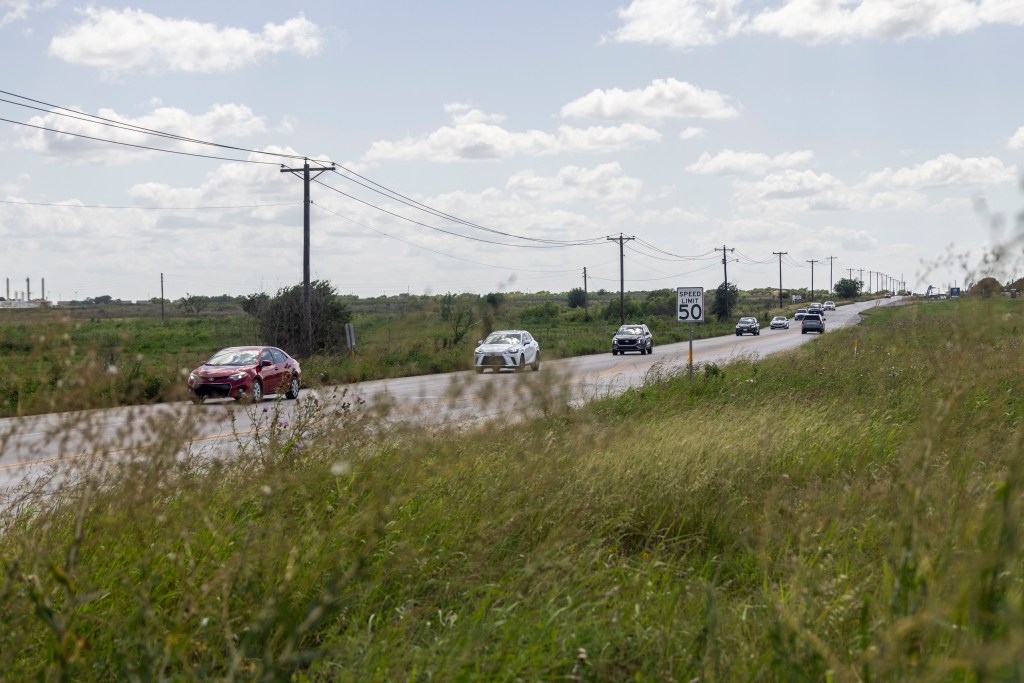 Cars drive on West Bonds Ranch Road on June 20, 2025, in Fort Worth. (Mary Abby Goss | Fort Worth Report)
Sprawl is the result of disjointed planning, Costa said. A dollar invested in central city revitalization generates a better return for the city than “one invested in chasing suburban sprawl,” he said.
“A low-density, single-family subdivision will not pay for itself,” Costa said. “It will be a draw upon city resources and will prove to be costly in the long run.”
In contrast, high-density, mixed-use development in the central city — although it takes careful, long-term planning — tends to produce more tax revenue than it consumes, he added.
Fort Worth’s planning department takes different forms
Fort Worth is the largest Texas city to not have a designated planning department or a planning department merged with development.
From the 1960s to the mid-2000s, the city had a planning department responsible for historic preservation, analyzing census data as well as guiding how land should be used and efforts to redesign Fort Worth’s urban core.
In 2006, Fort Worth leaders followed a consultant’s recommendation and merged planning with the development department — which handled zoning and subdivision regulations, Assistant City Manager Dana Burghdoff said. Burghdoff was the planning department’s assistant director at that time.
While the merged department initially worked as expected to streamline processes, it was quickly the victim of sweeping budget cuts amid the 2008 recession, said Costa, who was the first director of the planning and development department.
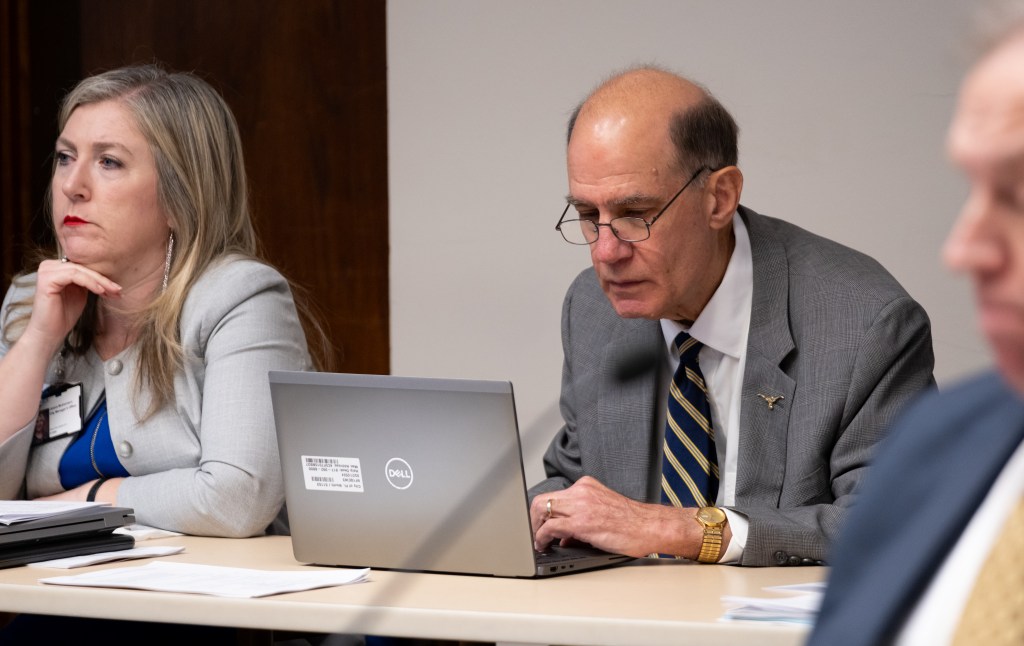 Then-Assistant City Manager Fernando Costa attends a council work session on May 21, 2024, at City Hall. (Camilo Diaz | Fort Worth Report)
The planning-half of the department particularly fell victim to cuts, as the city had to prioritize its limited funds to essential and mandated services, Burghdoff said.
Against public safety and development permitting, long-term planning was an easy place to trim.
“There were generally cuts across the board, but some of the deepest cuts were in that comprehensive planning, neighborhood planning team,” Burghdoff recalled.
Randy Hutcheson, a former manager of Fort Worth’s preservation and design division, said the merged departments dramatically shifted the culture around the city’s long-term strategy.
“Those actions reflected the city’s priorities: Improving the development process — which was needed — took center stage, while the capacity to coordinate long‑term planning was steadily diminished,” Hutcheson said.
Zadeh, who became a council member in 2014 after six years as a zoning commissioner, said the planning team never quite recovered from the recession-era cuts. She said the city spent the next decade more focused on managing its fast growth and lowering the tax rate.
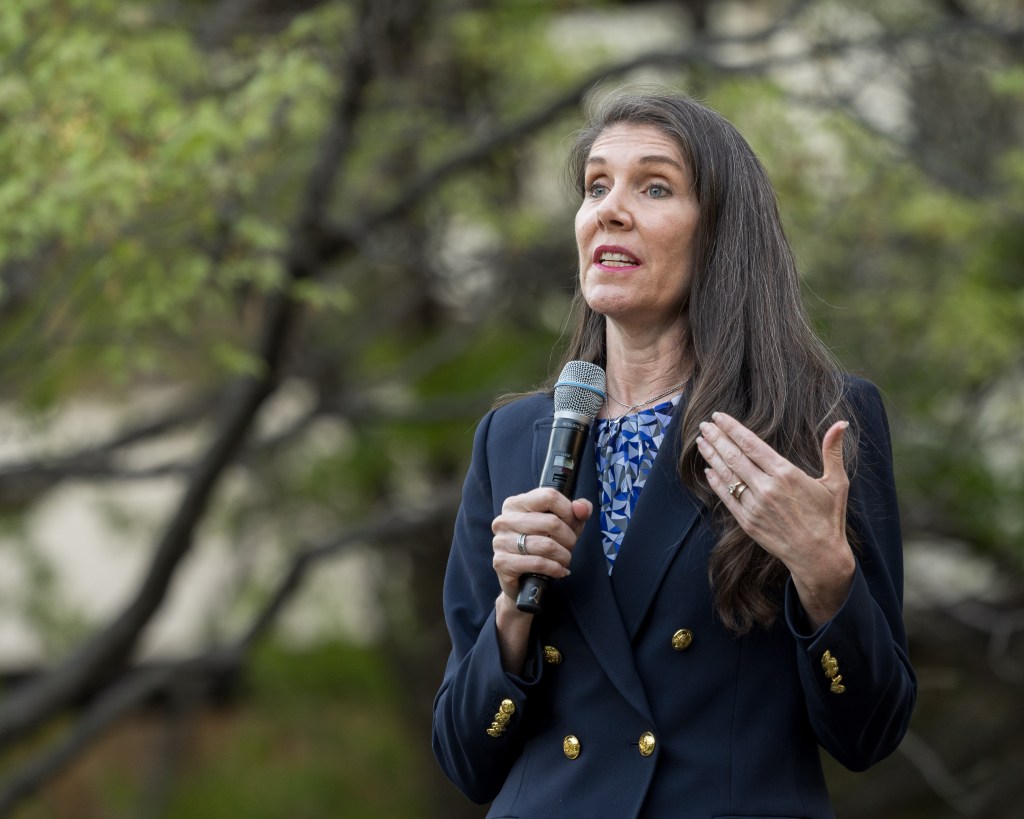 Ann Zadeh, pictured in April 2021, represented District 9 on Fort Worth City Council for seven years. (Cristian ArguetaSoto | Fort Worth Report)
Over time, more positions previously under the planning department were relocated to other city departments.
In 2022, the now six-person planning team was again relocated into the city’s budget department before being separated into the city manager’s office to be overseen by Burghdoff in October.
City, nonprofits look to strategically invest in urban core
In July, the city launched a nationwide search for a chief planning officer to lead the team and coordinate comprehensive planning. Burghdoff said Fort Worth hasn’t had such a leader since Costa.
The planning officer will be vital in coordinating with each city department to ensure all are pulling in the same direction. This is a perspective the city’s current structure lacks, the planning experts said.
“I don’t want to say that (city staff) don’t have a corporate mindset when they’re working in their departments,” Burghdoff said. “It’s just it’s easier if you’ve got someone who’s facilitating those conversations and helping.”
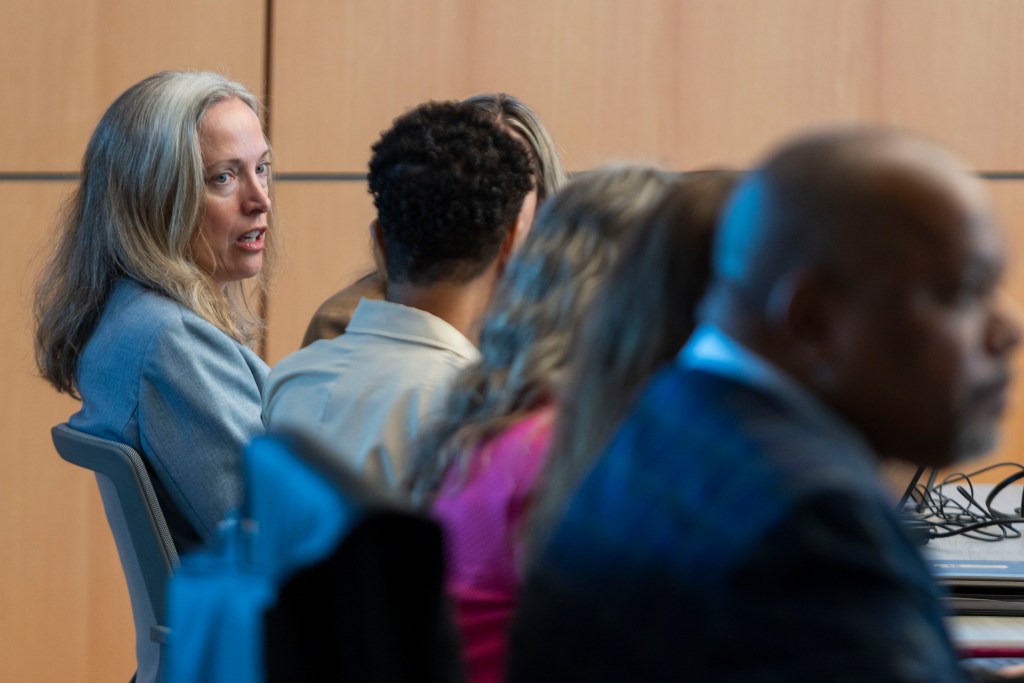 Assistant City Manager Dana Burghdoff, left, chats with her colleagues June 17, 2025, before a City Council work session at Fort Worth City Hall. (Mary Abby Goss | Fort Worth Report)
City staff’s bandwidth often is limited, she added, so being reactive to issues that arise sometimes erases time to be proactive.
Costa said intentional city planning could bring more urban core revitalization projects like that of the West 7th district, which is anchored by the repurposed Montgomery Plaza, and the Clearfork neighborhood, which has populated once vacant areas along the Trinity River with housing, businesses and cultural events.
Fort Worth has launched several efforts to encourage investment into its urban core and communities, including the Neighborhood Improvement Program, which streams a few million dollars into a select few neighborhoods over multiple years.
The city has relied on nonprofits such as Near Southside Inc., Downtown Fort Worth Inc., and Community Design Fort Worth, of which Zadeh is the executive director, to coordinate targeted, big-picture planning.
However, such partnerships should not fully replace long-term planning within City Hall, said Chiessa, the UTA professor who has been heavily involved in the Northside Main Street America Program that aims to revitalize and preserve the neighborhood’s culture.
The 2050 Comprehensive Plan is on track to be finalized in 2028.
Fort Worth most recently adopted an updated comprehensive plan in 2023. These updates build on a plan that Costa led the creation of in 2000.
Costa said the document should be a guide for every facet of Fort Worth — from land use to water infrastructure to streets to zoning — in how leaders allocate the city’s limited resources and design infrastructure.
“We have to make choices,” he said.
And somehow, those choices need to keep up with infrastructure, address the sprawl and revitalize the city’s urban core without causing displacement — all while remaining community-driven by public engagement.
“It’s a dilemma,” Costa said. “I’m not suggesting that there are easy solutions.”
Still, Costa and others told the Report, those solutions can’t be found if Fort Worth isn’t looking for them.
Drew Shaw is a government accountability reporter for the Fort Worth Report. Contact him at drew.shaw@fortworthreport.orgor @shawlings601.
At the Fort Worth Report, news decisions are made independently of our board members and financial supporters. Read more about our editorial independence policy here.
This <a target=”_blank” href=”https://fortworthreport.org/2026/03/23/fort-worths-future-at-stake-amid-efforts-to-reinvest-in-long-term-city-planning/”>article</a> first appeared on <a target=”_blank” href=”https://fortworthreport.org”>Fort Worth Report</a> and is republished here under a <a target=”_blank” href=”https://creativecommons.org/licenses/by-nd/4.0/”>Creative Commons Attribution-NoDerivatives 4.0 International License</a>.<img src=”https://i0.wp.com/fortworthreport.org/wp-content/uploads/2021/04/cropped-favicon.png?resize=150%2C150&quality=80&ssl=1″ style=”width:1em;height:1em;margin-left:10px;”>
<img id=”republication-tracker-tool-source” src=”https://fortworthreport.org/?republication-pixel=true&post=459204&ga4=2820184429″ style=”width:1px;height:1px;”><script> PARSELY = { autotrack: false, onload: function() { PARSELY.beacon.trackPageView({ url: “https://fortworthreport.org/2026/03/23/fort-worths-future-at-stake-amid-efforts-to-reinvest-in-long-term-city-planning/”, urlref: window.location.href }); } } </script> <script id=”parsely-cfg” src=”//cdn.parsely.com/keys/fortworthreport.org/p.js”></script>