
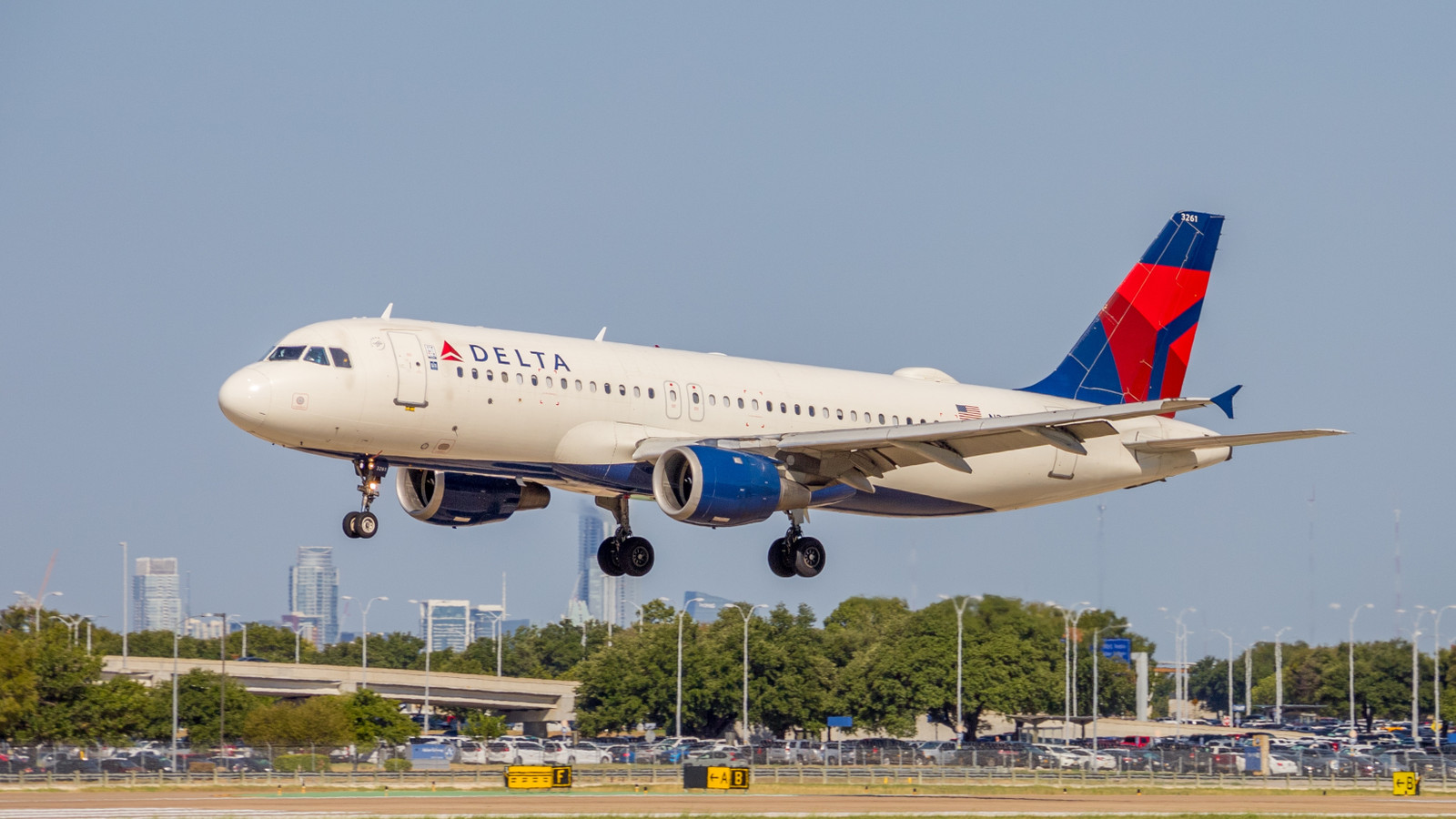
Delta Air Lines recently announced that it will expand domestic service from its Austin hub with new flights to Phoenix and extended seasonal routes to Bozeman, demonstrating how airlines in the United States are responding to a boost in domestic travel—something that has helped support U.S. tourism despite a drop in international visitors over the past year.
According to a company press release, Delta’s latest additions highlight Austin as an increasingly important hub for the carrier. The new routes also signal confidence that demand for Western recreation destinations like Yellowstone, the Sonoran Desert, and Big Sky will remain strong throughout 2026 and beyond.
Delta Adds New Austin Flights To Phoenix And Expands Service To Bozeman
Delta announced a new twice-daily nonstop route between Austin-Bergstrom International Airport (AUS) and Phoenix (PHX) beginning November 9, 2026, alongside an extension of its new Austin-Bozeman (BZN) service, which launches June 13, 2026, into the winter travel season, connecting travelers to this popular mountain town (which is also a popular summer spot).
The Bozeman route will run on Saturdays throughout the summer and expand to daily service from December 19, 2026, to March 28, 2027.
Route
Service Type
Timing
Austin (AUS) to Phoenix (PHX)
Twice daily nonstop route
Begins November 9, 2026
Austin (AUS) to Bozeman (BZN)
Saturday nonstop route extended into winter with daily nonstop service
Summer route begins June 13, 2026 (Saturdays only); daily winter service extended from December 19, 2026, to March 28, 2027
The Bozeman route will offer travelers direct access to Yellowstone-area recreation and winter ski season hotspots, while the Phoenix addition strengthens connectivity between two fast-growing metro regions with strong year-round travel appeal.
Delta’s newest routes also help support the company’s growing footprint in Austin, one of the fastest-expanding focus cities in the airline’s network in recent years.
Austin Is A Growing Focus City For Delta
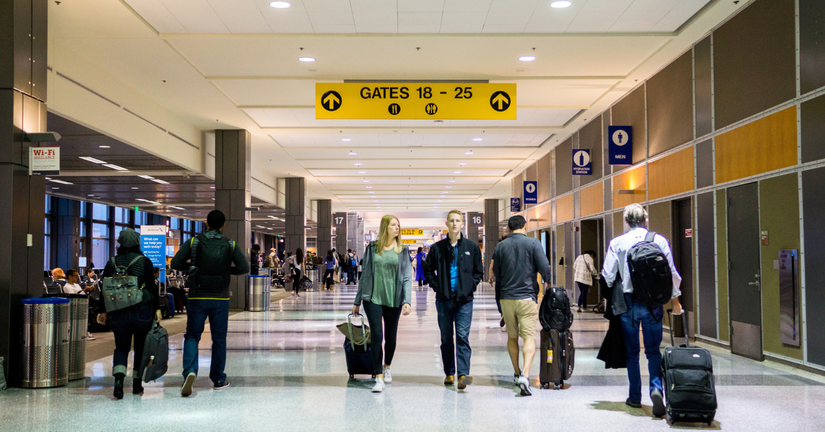
Austin, Texas airportCredit: via Shutterstock
These new route announcements are part of Delta’s broader strategy to expand its Austin operations, a key travel hub in the airline’s portfolio.
In late 2025, Delta announced a handful of new and expanded services originating from this central Texas city, including new nonstop routes to Denver (DEN), Columbus (CMH), Kansas City (MCI), and Miami (MIA), as well as expanded service to San Francisco (SFO) and Indianapolis (IND). Delta also opened a permanent flight attendant base in Austin in October.
“Austin continues to be an important and growing city for Delta,” said Amy Martin, Delta’s Vice President of Network Planning. “By adding service to Phoenix and expanding our Bozeman route into the winter season, we’re giving customers in Austin even more access to top requested destinations while strengthening connections to key business markets across the West.”
Delta expects to operate 63 peak-day departures from Austin this coming summer, which also accounts for an increase of five daily flights compared with the previous year. By December 2026, the carrier anticipates that it’ll connect travelers from Austin to 30 different destinations.
Furthermore, Delta is also expanding Austin’s international connectivity with nonstop service to Cancun (CUN) and Cabo San Lucas (SJD), giving U.S. travelers even more warm-weather vacation destination options without necessarily needing to connect through larger hubs across the country.
Airlines Are Responding To Strong Domestic Travel Demand Across The U.S.
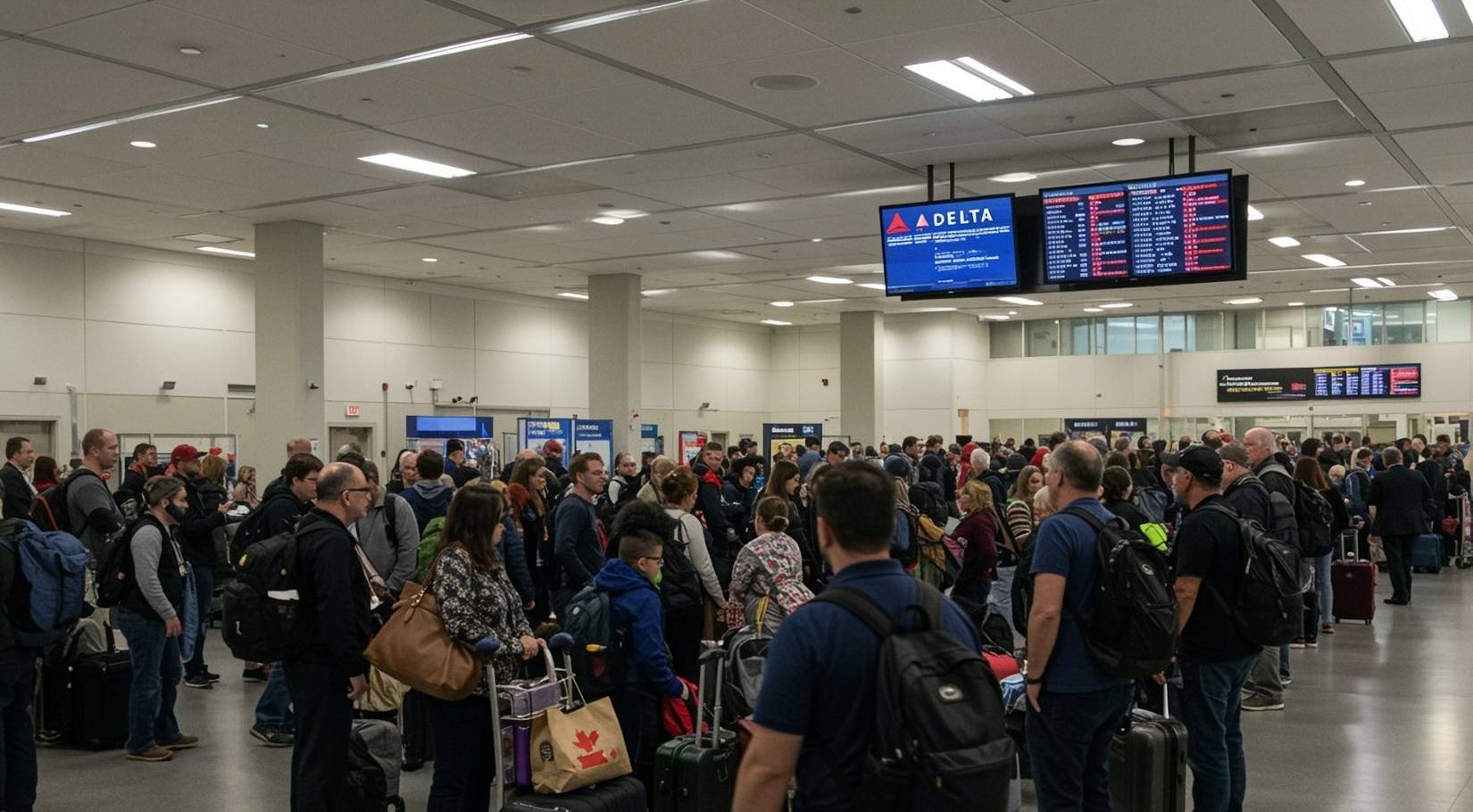
Delta Air Lines passengers in line at a busy U.S. airportCredit: via Shutterstock
Delta Air Lines’ latest route adjustments highlight how Americans have actually be more focused on domestic travel than international trips in recent months, particularly since early 2025, which also coincided with a drop in international tourism to America.
According to the U.S. Travel Association, international visitors to the United States have continued to decline in 2026, remaining lower than pre-pandemic levels in several markets. That said, domestic travel seemed steady last year, with stable air passenger volumes and a slight boost in hotel demand of 0.5%.
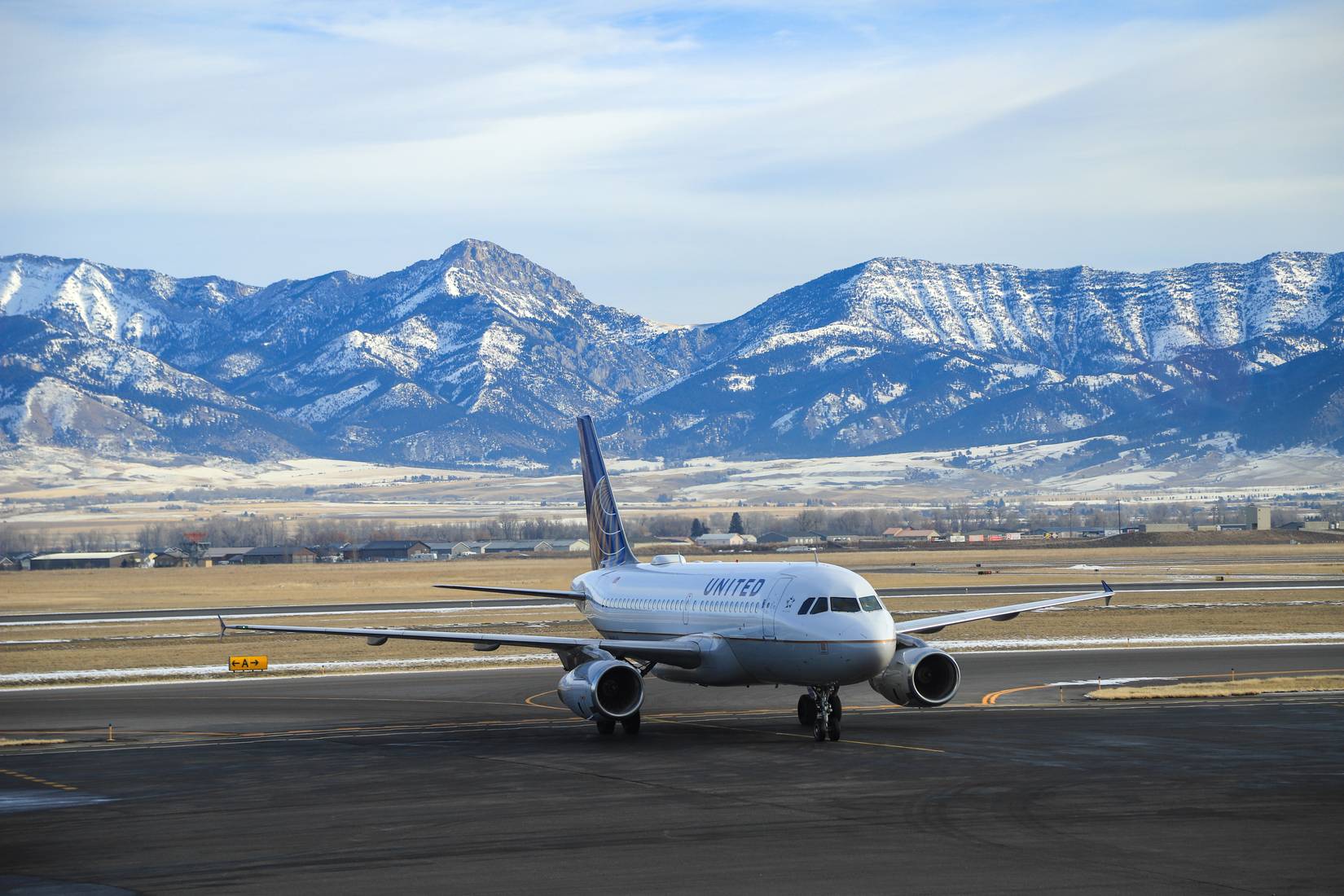
Jet airplane on the runway at the Bozeman Yellowstone International Airport, Belgrade, MontanaCredit: Shutterstock
Delta’s new routes like Austin-Bozeman help connect Central Texas with one of the country’s most in-demand mountain destinations and the world’s first and oldest national park, Yellowstone, which can only help to serve what Americans seem to want the most: more varied domestic travel choice as they keep their sights set on vacationing in the U.S.
After all, Bozeman Yellowstone International Airport serves as a primary access point for Yellowstone National Park as well as several Montana ski resorts, which are popular year-round among domestic and international vacationers. Expanded winter service to Bozeman also makes trip planning during peak ski season more flexible. Meanwhile, for travelers in Austin and across Central Texas, the new routes make it easier to reach major outdoor destinations without connecting through larger hubs or getting stuck with inconvenient layovers.
The Austin-Phoenix route is also expected to serve continued demand for short-haul Southwest travel for both business travelers and vacationers, given that business travel in the U.S. over the past year has still boomed.
Moreover, with a surge in visits to national parks in recent years, it’s no wonder Delta doubled down on its routes connecting to national parks in 2025. According to the National Park Service, Yellowstone National Park saw its second-highest number of visitors in 2025, surpassing 4.7 million visitors and just barely falling short of its 2021 historical record of 4,860,242.
Delta’s latest announcements suggest that domestic route adjustments will continue to be a big part of airline network planning in 2026 and beyond. As carriers keep a close eye on travel trends, routes linking mid-sized cities to domestic tourism hotspots are likely to remain a priority through 2026.