
 article
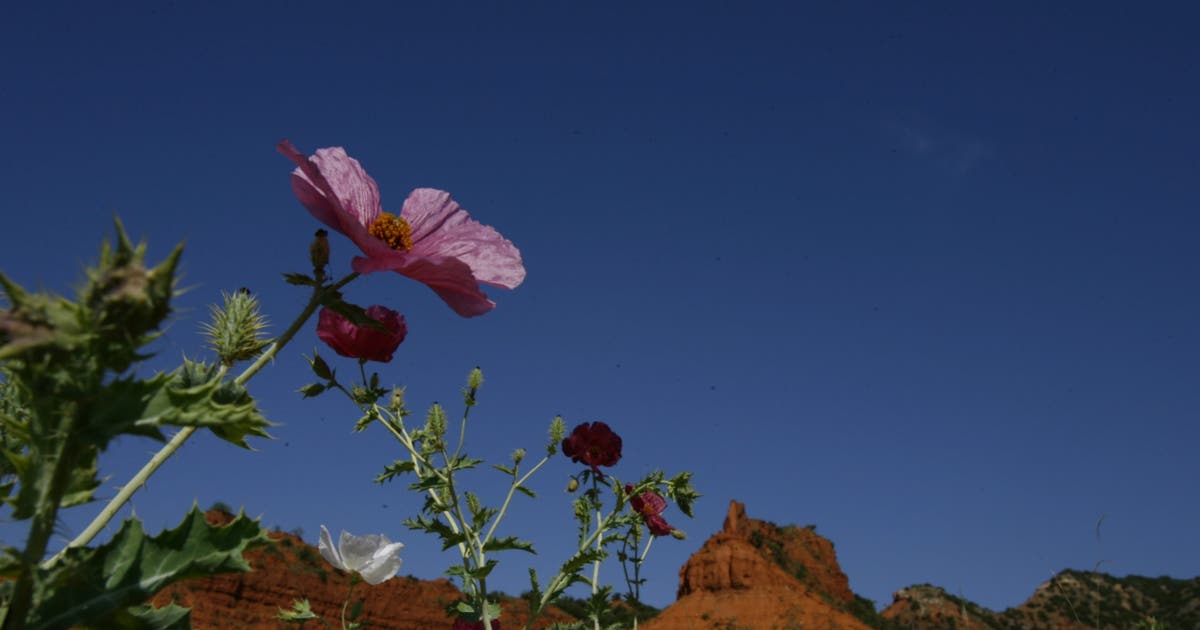
Because of recent rains wildflowers showed more color while in bloom along the trails of Caprock canyons State Park.( Nick de la Torre / Chronicle ) (Photo by Nick de la Torre/Houston Chronicle via Getty Images)
QUITAQUE, Texas – Caprock Canyons State Park and Trailway is getting over 2,000 acres larger after the state acquired two large pieces of property in the Texas Panhandle.
The expansion is expected to benefit the park’s natural resources and the Texas State Bison Herd that roams through the park, Tuesday’s release says, as well as adding fun new areas for visitors.
Caprock Canyons additions
The new pieces of land are the Hawkins Ranch property, of 1,120 acres, which was acquired in January 2026, and the Rocking W Ranch, at 1,066 acres, which was acquired in 2024.
The two pieces add nearly 2,200 acres to the western portion of the park, the Texas Parks and Wildlife Department said in their press release, growing the park to about 17,500 acres total.
The Hawkins property features more than 4.1 miles of Holmes Creek and Dry Creek, as well as panoramic views of the Caprock Escarpment. Native Texas wildlife can be found throughout the property, TPWD said, including quail, mule deer, coyotes and bobcats.
They also say the Rocking W property includes a 5,000-square-foot, fully furnished “barndominium,” which will allow for future family-style retreats for activities like hiking and horseback riding.
What they’re saying:
“These are two beautiful pieces of property,” said Superintendent Donald Beard. “The Hawkins Ranch is the last piece of property to the west [of the park] that protects our viewshed of the canyon and affects our watershed. The Rocking W Ranch was also important because it expands the park to the northwest, allowing the Texas State Bison Herd potential access to the high plains.”
What’s next:
TPWD will develop a plan with input from the public to determine recreational opportunities for the property. They will also communicate upcoming milestones, including a potential opening date, they said.
The Source: Information in this article comes from the Texas Parks and Wildlife Department.