
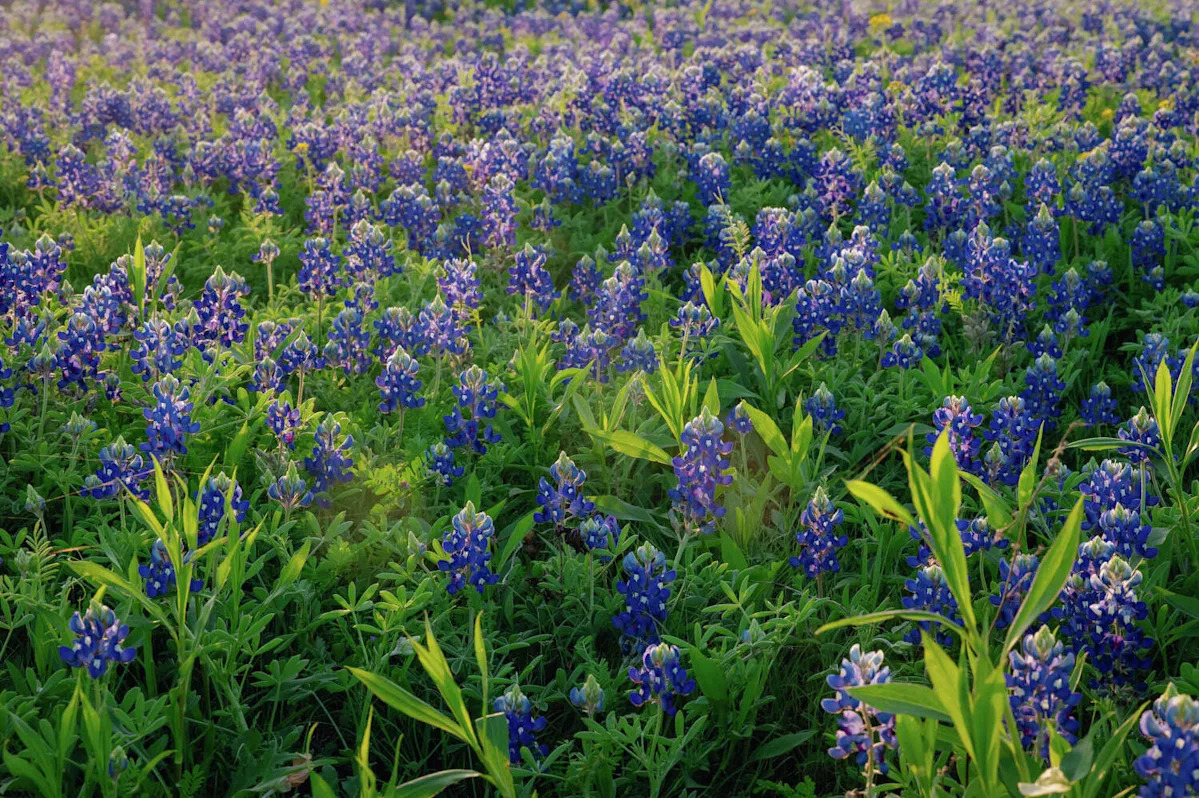
Bluebonnets are one of Texas’ most recognizable symbols. On March 7, 1901, the 27th Texas Legislature officially designated the bluebonnet as the state flower.
The wildflowers get their name from their resemblance to sunbonnets once worn to shield against the Texas sun.
Each spring, Texans and visitors flock to see fields of bluebonnets — and many wonder: Is it illegal to pick them?
Here’s what to know.
Is it illegal to pick bluebonnets in Texas?
There is no specific Texas law that makes it illegal to pick bluebonnets.
However, the Texas Department of Public Safety notes that other laws can apply, including those related to criminal trespassing or damaging government property. That means picking bluebonnets in certain areas could still be illegal.
Where can you pick bluebonnets?
You can pick bluebonnets on private property if you have the owner’s permission.
In some public areas, picking may also be allowed if it is not explicitly prohibited. However, rules vary depending on the location.
Where shouldn’t you pick bluebonnets?
Picking bluebonnets is not allowed in state parks, national parks or on government-owned land.
Texas state parks prohibit visitors from picking, cutting or damaging any plant life, including bluebonnets.
If you’re visiting a park or public area, you can take photos — but be sure to follow posted rules and avoid damaging the flowers.
Bluebonnet safety tips along Texas roadways
The Texas Department of Public Safety recommends the following when stopping to view bluebonnets:
Park off the roadway, parallel to traffic
Park on the same side of the road as the flowers
Don’t cross lanes of traffic on foot
Use turn signals when entering or exiting the roadway
Follow all posted no-parking signs
Watch for wildlife, including snakes, bees and fire ants
When do bluebonnets bloom in Texas?
Depending on rainfall and temperatures, bluebonnet season can run from late February through May, with peak blooms from mid-March to mid-April.
Bloom timing varies by region and follows a south-to-north pattern:
South Texas: late February to mid-March
Central Texas and Hill Country: late March to mid-April
North Texas: early to late April
West Texas: varies from February through May depending on weather