
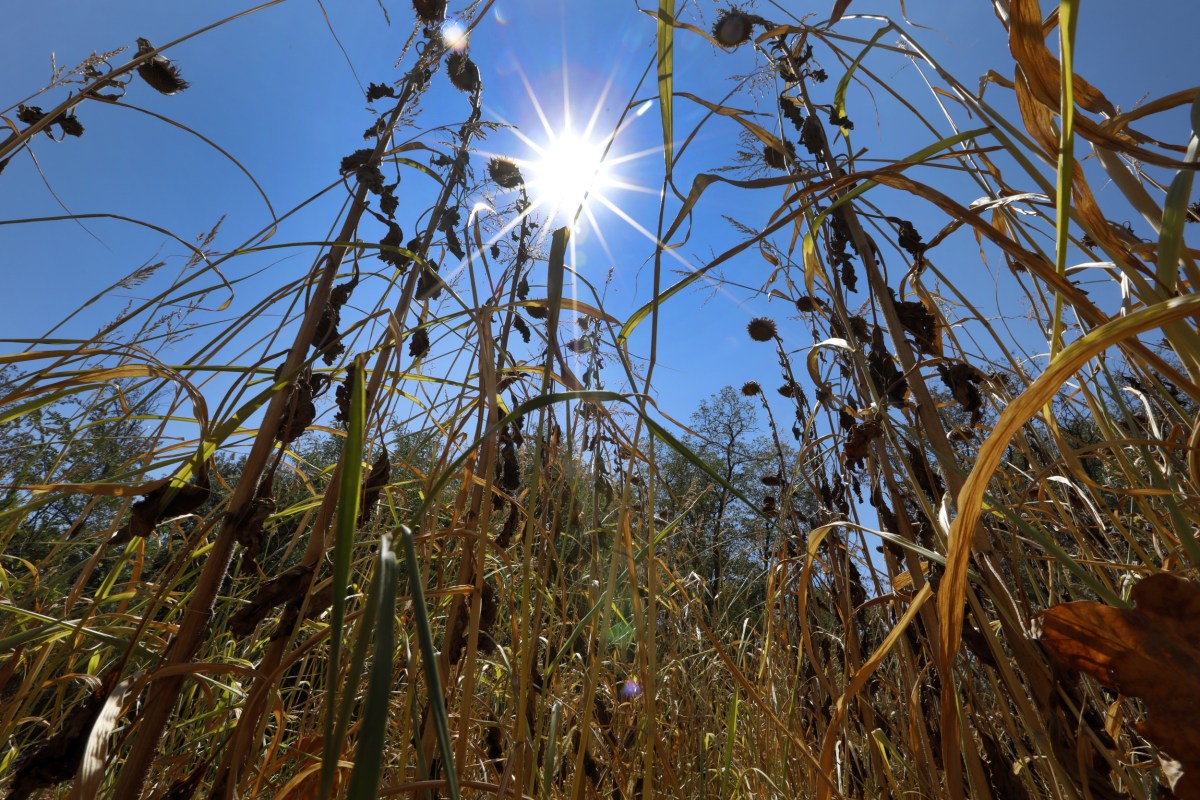
Thousands of people across an area in Texas have been advised to stay inside as extremely high temperatures are expected through Wednesday, according to the National Weather Service (NWS), which has issued a heat advisory.
Which Part of Texas Is Facing Hot Temperatures?
According to the NWS’s heat advisory, temperatures in the Palo Duro Canyon are likely to reach over 101 degrees Fahrenheit from noon on Wednesday until Wednesday evening.
The Palo Duro Canyon—often referred to as “The Grand Canyon of Texas”—is a popular attraction for tourists and travellers, as it’s the second-largest canyon in the U.S., after the Grand Canyon.
This makes the heat advisory especially important, as those who are planning to visit might want to reconsider their trip until the temperatures are cooler, or be prepared to experience the stifling heat.
How To Prepare For Extreme Heat
The NWS said that “heat is the leading weather-related killer in the United States, resulting in hundreds of fatalities each year,” because it can cause heat-related illness, especially for those who are unaccustomed to extreme heat, and those in sensitive groups, which include the elderly, young children, people with existing medical conditions, and pregnant women.
The agency advises that those who are experiencing extremely high temperatures should drink plenty of fluids—but avoid alcohol, as it can be dehydrating—stay out of the sun (preferably in an air-conditioned room), especially during the hottest parts of the day, avoid strenuous exercise until it’s cooler, and wear lightweight, loose-fitting clothes.
Pets, children, and disabled people should never be left in unattended vehicles, as interior temperatures can reach over 200 degrees Fahrenheit in minutes. According to the NWS, in 2024, “39 children died in hot cars.”
The NWS also urges people to familiarize themselves with the signs and symptoms of heat-related illness to prevent hospitalization or even death.
Symptoms of Heat-Related Illness
Heat-related illness can range from heat cramps and exhaustion to heat stroke—which can be fatal.
Heat cramps can “be the first sign of heat-related illness, and may lead to heat exhaustion or heat stroke” if not treated quickly. It usually manifests in muscle cramps in the legs or abdomen, and heavy sweating, and the victim should be given small sips of water until they feel better. If the cramps last more than an hour, immediate medical attention is needed, before it leads to heat exhaustion.
Heat exhaustion normally starts with symptoms such as dizziness, increased thirst, heavy sweating, nausea, and weakness. Someone suffering from these symptoms should be moved to a cool area and be made to sip water until their condition improves. If symptoms worsen or last longer than an hour, they need urgent medical help as they may have heat stroke.
If someone develops heatstroke, they might act confused, slur their speech, have a body temperature of over 103 degrees Fahrenheit, feel dizzy, have a rapid, strong pulse, and may even lose consciousness. The NWS said it’s important to act fast and call 911 if someone is displaying these symptoms as it is a medical emergency–“delay can be fatal.”