

Mark Meuer has hit numerous roadblocks in his effort to sit in the Precinct 2 Commissioner’s seat in Lubbock County. Meuer believes he – not Jason Corley – is the rightful commissioner.
One question – was Meurer ever a government official? That affects his legal rights. The other question that came up this week is this: did his attorney file a December appeal to the wrong Court of Appeals?
The case had been scheduled for trial (not just a hearing) in April. But the Supreme Court stayed any further proceedings in Lubbock until the appeals process is further along.
How we got here
Meurer was sworn in December 8 – the same day County Judge Curtis Parrish asked sheriff’s deputies to escort Jason Corley from his office. Parrish claimed Corley resigned his seat by announcing his candidacy for Congress with more than one year and 30 days left in his term office.
Corley denied the claim and sued to get his seat back. A few days later, the State of Texas intervened in his favor. Corley was restored to office 11 days after the whole thing began.
But during a court hearing on December 19, Meurer’s attorney, Kristen LaFreniere, filed an appeal using her laptop computer in court. LaFreniere believed the appeal automatically stayed or delayed the entire legal process. That claim would later come into question.
The judge in Lubbock – Patrick Pirtle – finished the hearing over LaFreniere’s objections, and LaFreniere raised additional issues including an appeal to the Supreme Court of Texas.
The Seventh Court on Monday questioned – for the second time – Meurer’s right to appeal at this stage of the legal battle.
Back in January, the court wrote to the various attorneys in the case saying the automatic stay was only valid if Meurer was a government official. The Seventh Court was not willing to say Meurer was actually a government official just because Parrish administered the oath of office.
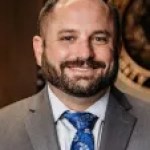 Jason Corley (image sharpened with A.I.) Credit: Lubbock County website.
Another issue the court pointed out – the original appeal was based on an oral ruling in court to restore Corley to office. A written order later replaced it. If there was a problem with the oral order, that’s no longer in play – only the written order is.
“Where there is a discrepancy between a trial court’s oral pronouncement and its written order, the written order controls,” a letter from the Seventh Court to various attorneys said Monday.
In a letter to attorneys Monday, the Seventh Court said it does not find the same issues in the written order that were raised on appeal. In other words, there might not be an issue ready for appeal.
Attorneys on both sides have 10 days to address the new concerns.
But there’s more
The attorney representing the State of Texas, Scott Brumley, filed his side of the story to the Supreme Court – which also happened Monday.
Brumley, who sided with Corley in December, restoring him to office, asserted Meurer filed his appeal in the wrong court.
A law that took effect in 2023 changes the appeal process for any case brought by Texas or filed against Texas. Those appeals go to the Fifteenth Court of Appeals in Austin – not the Seventh Court in Amarillo.
Brumley argued the court in Amarillo has no authority.
And the Seventh Court raised a similar question in its most recent letter – saying, “We again request all parties to explain how this court has jurisdiction to hear this interlocutory appeal.”

Related

Related posts