
The Texas Department of Licensing and Regulation has formally adopted a rule requiring professional license applicants to prove legal status in the country, ending hopes among some business owners that exceptions would be made for unauthorized workers already licensed.
The rule was adopted unanimously by the agency’s commission during its Tuesday meeting. The commission’s vote mandates that applicants for new licenses or license renewals show proof of legal status in the United States beginning May 1. However, the agency has already required this of applicants since late January, TDLR spokeswoman Caroline Espinosa told the American-Statesman. TDLR manages the licenses for hairdressers, barbers, electricians and HVAC professionals, among others.
During discussion of the rule change, the commissioners appeared convinced that the rule change was necessary to comply with federal law.
“I don’t think we are starting a new law. We are just merely doing what the feds are telling us to do,” Commissioner Sujeeth Draksharam said from the dais before the vote.
Federal law has barred states from extending public benefits to individuals without legal status since 1996. Until this year, Texas had not enforced that law.
About 18,000 TDLR licenses, or 2% of the total, are not currently attached to a Social Security number, indicating the potential number of workers who could be affected by the rule change. It is unclear how many individuals who hold one of these currently unverified licenses would be unable to meet the rule change’s requirement for proof of legal status in the United States.
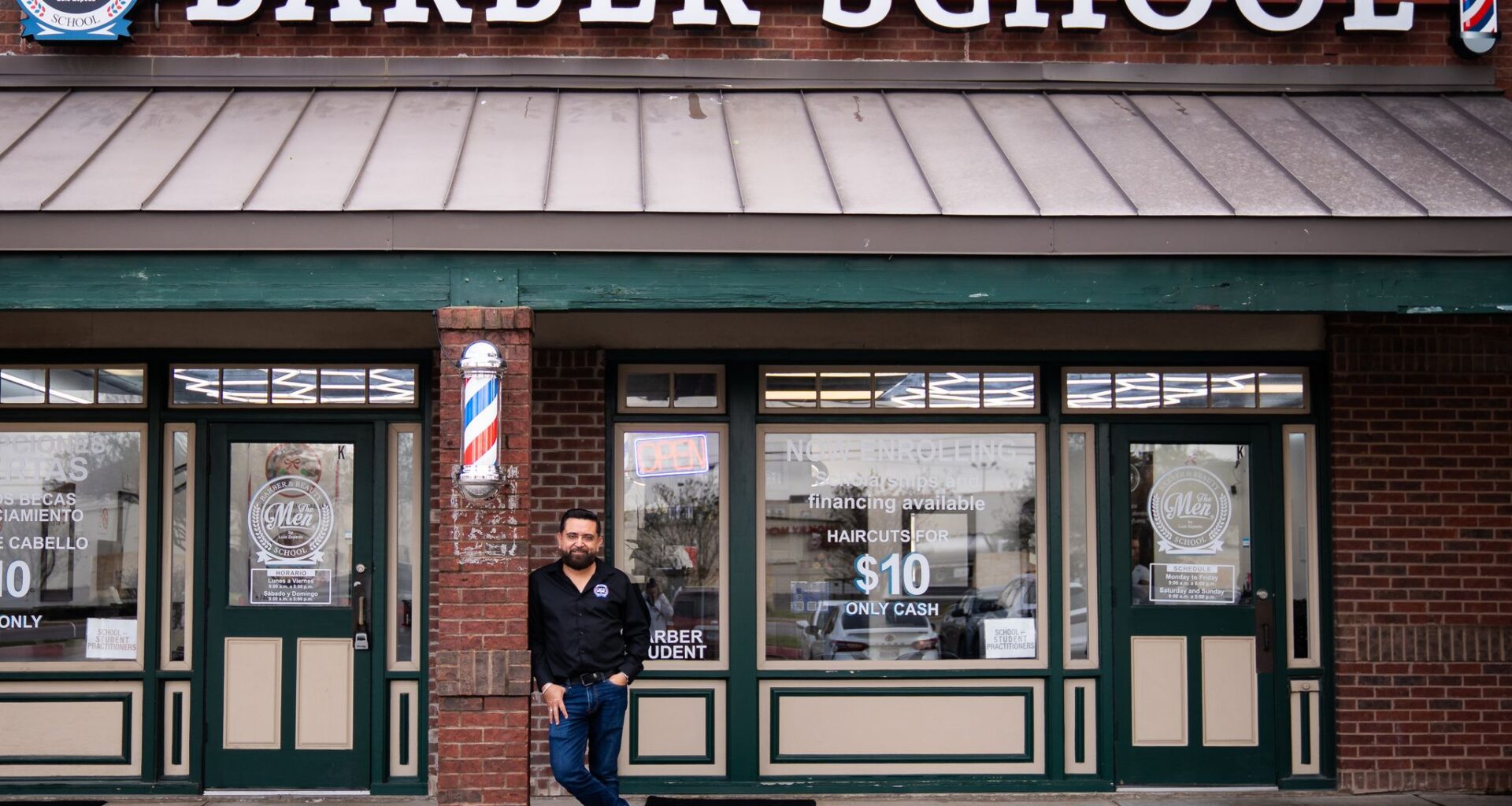
Yet, salon owners and instructors who work with Texas’ Latino immigrant community said they believe many of their students are now ineligible, increasing the chance that they begin to work under the table, often from their homes. The change, they argued, hurts many business owners who are running traditional brick-and-mortar businesses and cost the state tax dollars.
On Tuesday, one salon owner, Maria Elena Casteneda, told the commission that the stripping of licenses had already put her business at risk.
“Today I have three empty chairs because people are now working out of their homes,” Castaneda said, before suggesting she was unsure how her business could endure the loss.
Opponents of the rule change have also argued that the rule change is hurting immigrants without legal status who are trying to work lawfully. One beauty school student, an unauthorized immigrant, previously told the Statesman she had invested $13,000 during the past year to receive training to become a hairdresser only to find out last month that she was now ineligible for a license.
Before the vote, Commission Chair Rick Figueroa asked agency staff for consistent updates on the effects of the rule change. In the agency’s initial proposal, agency staff said that it expected the rule change to have no economic impact, a claim that the rule’s opponents have contested.