
 article
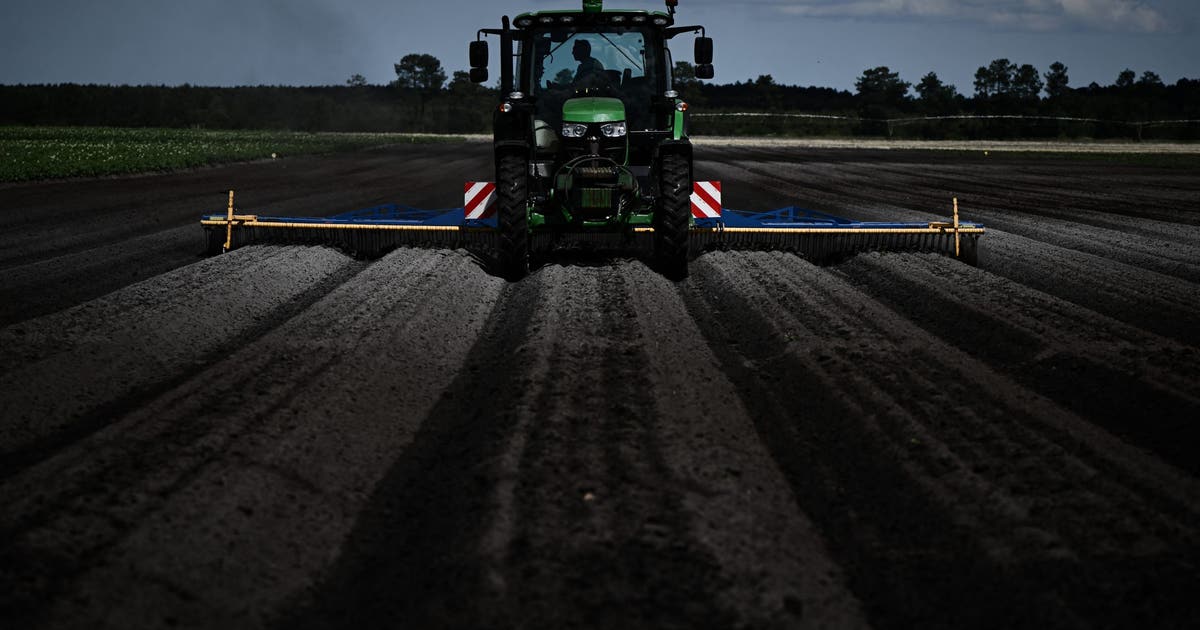
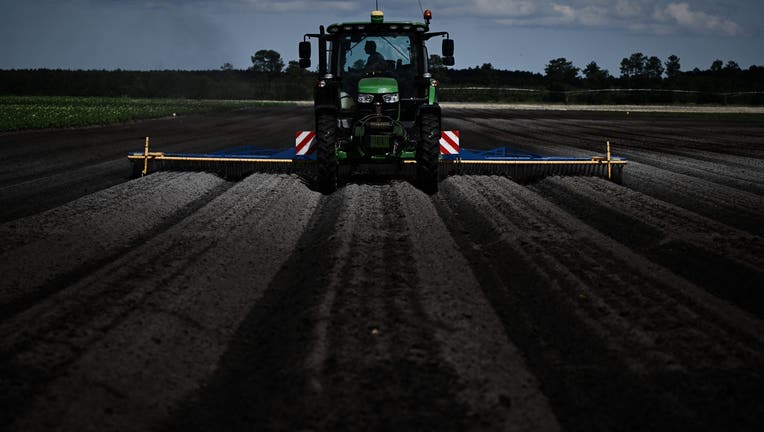
A farmer uses a tractor to pull a harrow to perform mechanical weeding as part of cultivation practices using fewer pesticides at a potatoes farm in Saint-Jean-d’Illac, southwestern France, on May 22, 2025. Using less fertilizer and fewer pesticides
STEPHENVILLE, Texas – As the war in Iran continues, Texas farmers are weighing their options as the window to fertilize crops for the spring planting season begins to close.
While fertilizer prices are up 30% and diesel is averaging $5 per gallon in Texas, the state agriculture commissioner spoke with FOX Local Wednesday to give some perspective on how timing, alternatives and Lone Star resilience might prevent disaster for the industry.
Texas fertilizer shortage
The backstory:
Due largely to the closing of the Strait of Hormuz, a huge source of the world’s natural gas, and therefore fertilizer production, was cut off. Texas, which is covered in nearly 130 million acres of farm and ranch land, relies on these natural resources for the nation’s largest agriculture industry.
The state recently entered the spring planting season, which typically starts in late February for South Texas and creeps north into late March to early April. Some sources say the early heat may be pushing this timeline up a bit, and Texas Agriculture Commissioner Sid Miller said his own crops have about 60 days until the fertilizing window closes.
What are the options?
The latest:
Miller, the Republican who’s been the regulatory head of the industry in Texas since 2015, is an eighth-generation farmer and rancher. In his interview Wednesday, Miller said he’s hopeful the alternatives to U.S. trade in the Middle East will hit the market soon enough to protect the spring crops.
Texas is most in need of nitrogen fertilizer, especially for the corn and hay fields, Miller said, which the state’s own production can’t quite cover during the spring planting boom. Miller noted that the Strait has reopened to friendly vessels, so the hope now is that the U.S. can manage to get the fertilizer from that area of the world second-hand in time.
Additionally, Miller said, recently-lifted Venezuelan sanctions could boost the market as a blockade dissolves and fertilizer production gears up in that nation. Even still, Miller said, the timing of getting it to the states looms over the industry.
If those options don’t quite beat the buzzer, Miller says there are still fertilizer alternatives.

Commissioner of Agriculture of Texas Sid Miller speaks during a Texas Republican Party election night rally in Austin, Texas, on November 8, 2022. (Photo by SUZANNE CORDEIRO / AFP) (Photo by SUZANNE CORDEIRO/AFP via Getty Images)
Organic fertilizer alternatives
What they’re saying:
“If you live near a poultry producing area, you might switch to poultry litter,” Miller said. “Dairies and feedlots, we can use manure from there. We can use that. Sewage sludge from municipalities, you have to be careful with that because it has PFAS in it. You can’t use too much of it, you’ll poison the land. So those, they’re a lot cheaper actually, but they’re more labor-intensive and take a lot more time to apply. So I’m putting off my fertilizer purchases just as long as I can, hoping that the supply chain will work itself out.”
Fertilizer bottom line:
Other state and federal voices had previously projected that farmers who hadn’t preordered fertilizer, or as many as 25%, could miss the boat for access to imported resources. Miller, who falls within this category, thinks that while the window could get tight, Texas will likely pull through. If not, organic options are still on the table.
Texas diesel prices
The backstory:
Diesel prices had hovered around the low reached in mid to late 2024, around $3.50 per gallon, up until the end of January. They’ve leaped since the war began, topping $5.30 nationally and nearing the COVID-19 pandemic-high.
Diesel is imperative to the agriculture industry, Miller explained, for powering tractors, combines, irrigation pumps and other machinery. The commissioner says a typical field will take five gallons of diesel per acre to make a crop. The current prices could put a dent in farmers’ bottom lines.
Possible fixes
Already, Miller said, farmers are benefited by exemption from the highway tax, lowering their current diesel costs to about $4.60 per gallon.
The Trump Administration also recently waived a federal shipping law called the Jones Act for 60 days, which will temporarily allow for non-U.S. ships to move goods between U.S. ports. Miller agrees with previous predictions that this could put a dent in the high natural resource prices, further lessening the financial burden on farmers.
The bottom line
What they’re saying:
“We’ve got some challenges, but that’s nothing new,” Miller said. “We face those every day when we get up in the morning. Agricultural people are very resilient. We’re tough. We’re used to adversity, and we always manage to overcome.”
The Source: Information in this article comes from a FOX Local interview with Sid Miller; the Austin American-Statesman; the Texas Farm Bureau; and PBS.