
More than 100,000 Americans are on the waitlist for a life-saving organ transplant and less than half receive one, according to Donate Life America.
After giving birth to her son, Micah, Brittany Clayborne needed a heart transplant. Peripartum cardiomyopathy, a rare and life-threatening form of heart failure, suddenly changed her life. In a 2025 column in The Dallas Morning News, Clayborne said she spent nine months trying to improve her declining health with medications, surgeries and devices, like the mechanical pump she relied on, until the call finally came. Clayborne said the transplant saved her life. Twice. Months later, when she received a Stage 4 cancer diagnosis, Clayborne said the heart persevered and allowed her to survive chemotherapy, radiation and fear.
When Micah came home clutching his chest 13 years later, the family went through the donor process once more. When doctors discovered his heart was only functioning at 7%, they diagnosed him with hypertrophic cardiomyopathy, caused by a rare genetic condition called Danon disease. He received a successful transplant in October 2024.
Organ donation allows people a second chance at life. However, questions remain about the process. One Curious Texas reader, Sidney Tassin, asked: “What happens after you register, and who decides where your organs go?”
Curious Texas
Registering as an organ donor
The first step to organ donation is registration, either as an organ donor after death or a living donor.
Organ donor after death is the most common option, indicated by the red heart on your driver’s license. To register in Texas, visit donatelifetexas.org or register at the DMV when issuing or renewing your drivers license or ID card. Several vital organs are donated after death, including your kidney, heart and lungs, as well as tissues, skin and sometimes even blood vessels.
Living donor registration is a different process. Living donation occurs when a living person gives a whole or part of an organ to a recipient, reducing waitlist time and leading to better long-term outcomes for the recipient, according to Donate Life America.. You can register as a living donor at donatelife.net. Physical and psychological exams are performed before someone is cleared to be a living donor; then they are put on a waiting list and matched with a potential candidate.
Full body donation to medical research
You can also register as a full body donor for science. Full body cadavers are important to medical students and researchers learning about the human body and life-saving techniques. They provide real life, hands-on experience for surgical procedures, disease treatments and more. The donation does not leave your family with financial obligation. Prior to donation, your organs are still available to those in need before your body is sent to a medical center. You can register to be a full body donor at sciencecare.com.
Where do your organs go and who decides?
After the deceased’s time of death, a special medical practitioner from the Organ Procurement Organization performs an exam to ensure the patient is suitable for organ donation.
If the deceased is cleared by the practitioner, they discuss next steps with the patient’s family. Families are not able to change the deceased’s decision if they already registered with the national registry. However, if the patient did not register prior to their death, the family can make the decision on their behalf.
The donor’s full medical information, such as blood type and weight, are collected by the OPO practitioner and registered in the Organ Allocation System, managed by the United Network for Organ Sharing. The matching system first filters out candidates who are not a match to the donor. Organs can only be donated within hours of recovery, therefore patients closer to the donor are priority. Matching organ size and medical information is paramount to the process because it can affect the success of an organ transplant surgery.
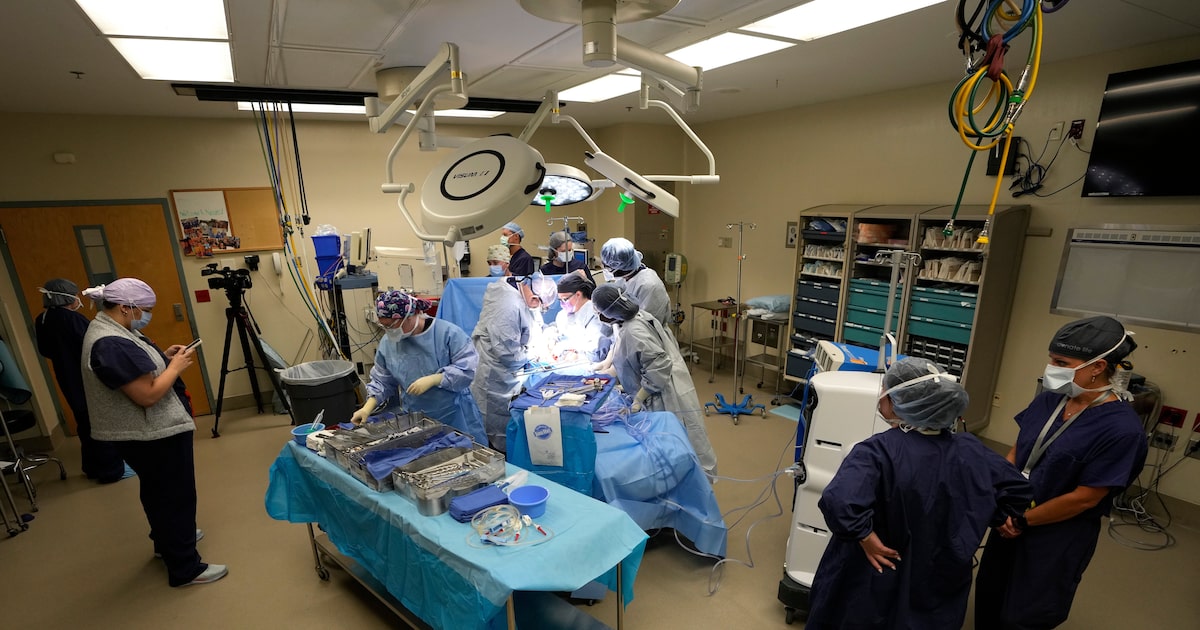
After the donor is matched, they are taken to an operating room where their organs are surgically removed and sent to the hospitals of the matched candidates. A few weeks later, OPO sends a letter to the family of the deceased sharing which of their organs were sent while keeping the recipient’s information confidential.
An organ donor can save up to eight lives and enhance the lives of 75 others through donated tissues, according to Houston Methodist hospital..
Have a question you want answered? Ask us at Curious Texas.