
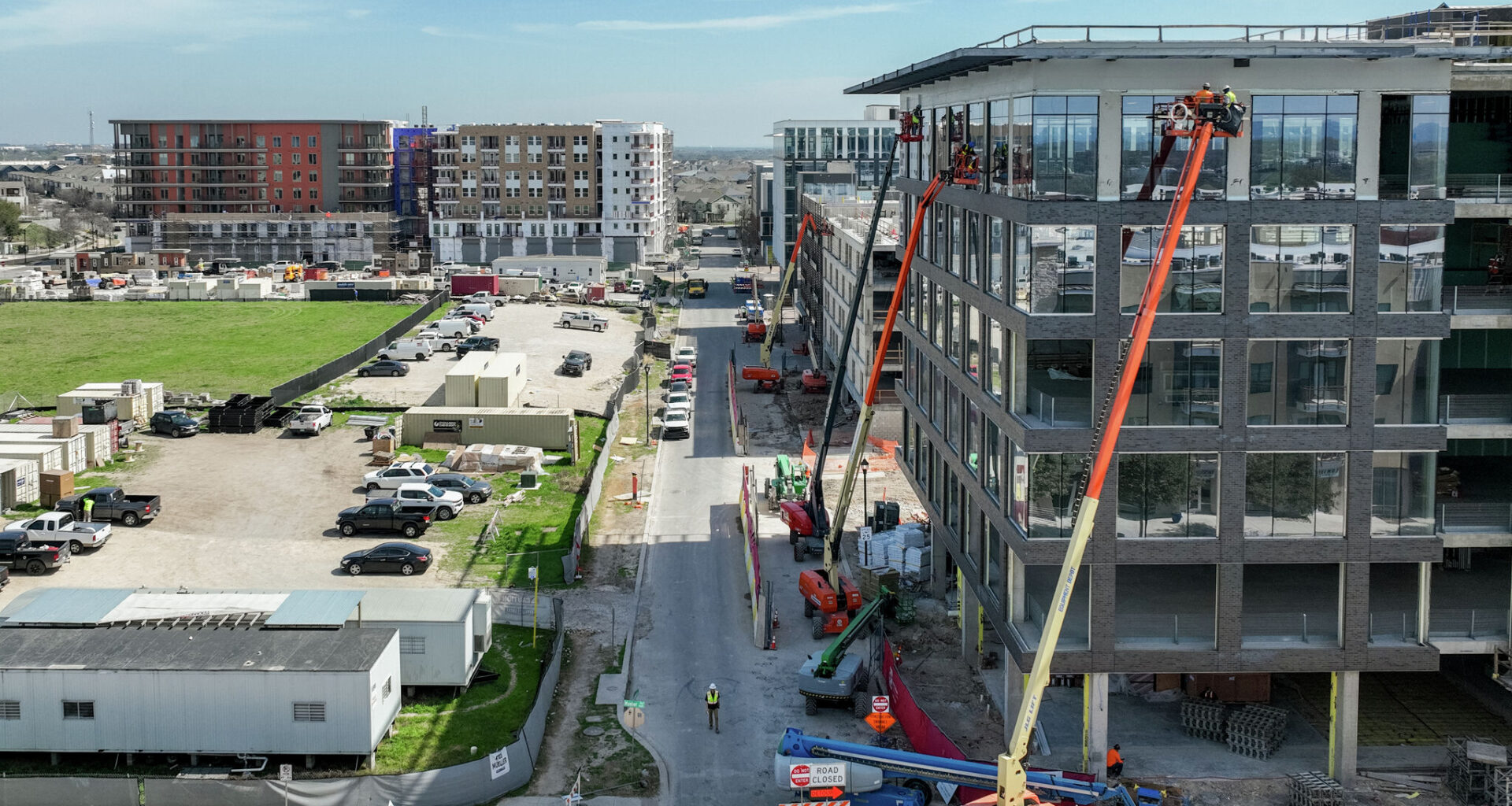
And yet, the tides are turning. After being one of the hottest real estate markets in the U.S., Austin now leads among one of the American metros seeing the heftiest declines in rental rates, spurred by a combination of housing policy reforms, increased new housing construction and density bonuses coupled with a more stabilized flow of newcomers moving into town. A March report published by the Pew Research Center analyzed how, exactly, Texas’ weirdest city went from rental demands galore to a more balanced market.
Pew analysts revealed that, from 2010 to 2019, rents jumped 93% in Austin — the highest in the U.S. — as well as home sale prices soared 82%, marking the largest increase among Texas metros. Midway through the 2010s, city officials began pursuing readjustments in housing policies designed to entice more rental housing. Come 2018, Austin voters greenlit a $250 million bond, centered around the creation, retention and upkeep of affordable rental and ownership homes in town.
Combined, Pew’s report found that the Texas capital added 120,000 units of housing to its arsenal between 2015 and 2024. It’s an initiative that led not only in Texas, but represented a marked 30% increase, or three times the overall rate of housing unit growth in the United States. Back in December 2021, the median rent in Texas’ capital clocked in at $1,546; more than four years later, the median rent in January 2026 was listed at $1,296, Pew’s research noted.
In recent years, the city’s HOME initiative, passed in two phases in 2023 and 2024, helped ease regulations related to two- to three-unit buildings, reovations and improved accessibility for developing duplexes, triplexes and accessory dwelling units (ADUs), or additional housing units on the same property as a primary home.
“Austin’s success serves as an important example of how regulatory barriers to building more housing are often varied and interconnected,” the report read. “No single solution can solve a housing shortage, but Austin has taken multiple steps that have helped to unlock large amounts of housing supply in its market and reverse rent growth, including rent for tenants of lower-cost, older apartments.”