
The effects of the U.S. war with Iran are reverberating in an already softened North Texas housing market as mortgage rates rose Thursday for the fourth week in a row.
In the days before the U.S. launched its attack on Iran, rates had dropped to 5.98% for the first time in nearly three years. On Thursday, the rate for a conventional 30-year home loan stood at 6.38%.
“The recent Operation Epic Fury by the U.S. and Israel throws a big uncertainty on inflation, and that is going to make a U-turn on the mortgage rates which were slowly inching their way down the week before the conflict,” said Sriram Villupuram, an associate professor at the University of Texas-Arlington’s finance and real estate department.
On top of the general uncertainty that comes with war, the ongoing military conflict is driving up the price of oil, said Joel Berner, senior economist at Realtor.com.
D-FW Real Estate News
“This shock ripples through the entire economy,” Berner said. “Homebuyers in North Texas and across the country, who are already facing affordability challenges, now have an even steeper hill to climb when it comes to buying a home because mortgage rates have increased.”
Mortgage rates are highly sensitive to changes in inflation, and the Strait of Hormuz, a critical channel for shipping crude oil, plays a key role while it remains choked. About 20% of the world’s oil supply travels through the narrow strait, and the recent halt in shipping impacts the wider economy, raising expectations of higher inflation.
So far, oil supply disruptions have led to volatile prices that reached their highest point in almost four years in early March.
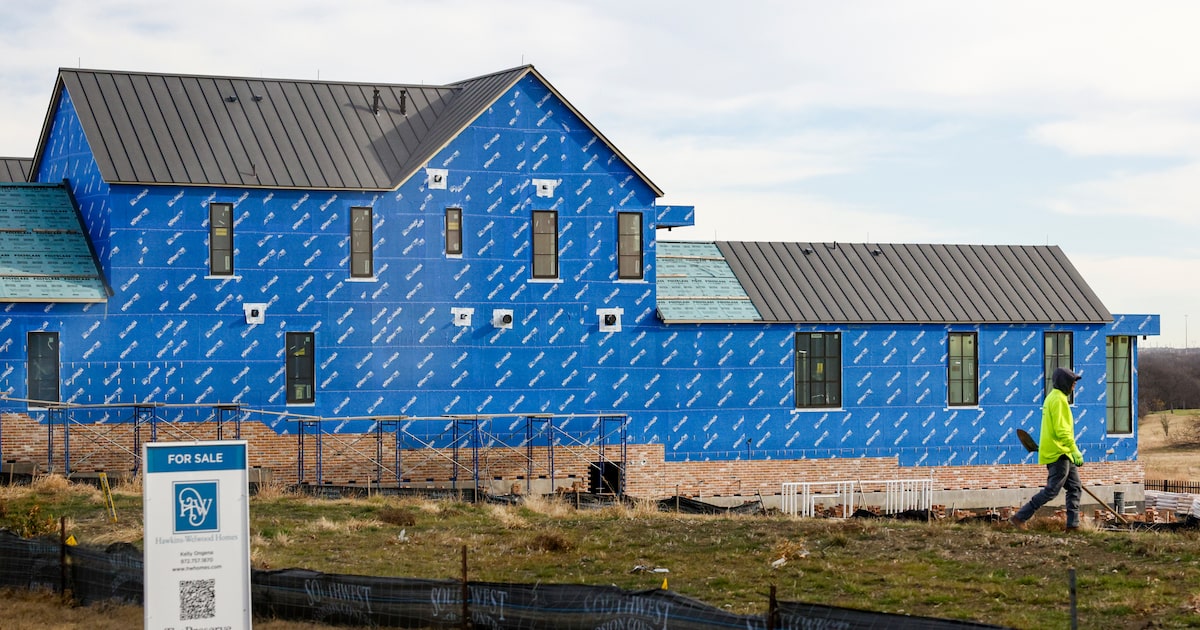
In North Texas, higher oil prices are likely to impact the profitability and viability of construction projects across the region, according to construction industry officials. As a result, the cost of new and upcoming or ongoing construction is set to rise, ultimately impacting the homebuyer already burdened with increased borrowing costs.
Sellers may lose out this spring
Spring is usually peak season for home sales as buyers return to the housing market, and the pleasant weather raises curb appeal for sellers.
However, with borrowing rates increasing again, many potential buyers are choosing to stay put, according to weekly data from the Mortgage Bankers Association. Mortgage applications dropped 11% for the second consecutive week, and home purchases fell by 5%.
Median home prices in the Dallas-Plano-Irving region have remained relatively flat at over $400,000 since 2023, when interest rates started to increase, according to data from the Texas Real Estate Research Center. In the Fort Worth-Arlington-Grapevine region, the median has hovered around $350,000.
Weaker demand last summer led median prices to decrease slightly, but the downturn is still dwarfed by gains made since the pandemic. “High interest rates combined with fairly stable high home prices makes it very hard for affordability,” Villupuram said.
Ted Wilson, principal and president of Residential Strategies Inc., said the market was sustained by builders offering discounts and adjusting their margins, leading to growing home sales late last year.
“But certainly with the Iranian war now, mortgage rates have climbed up about 45 basis points in just the last two weeks, so there’s concern about that,” he said.
Mortgage rates to stay elevated for a while
Earlier this week, Goldman Sachs Group Inc. raised its oil price forecasts for 2026. Assuming six weeks of supply disruptions in the Strait of Hormuz, the company predicts oil prices peaking at $115 per barrel in April and retreating by nearly a third to $80 by the end of the year.
However, experts forecast mortgage prices to stay above 6% for the rest of this year.
“We are not anticipating a major retreat in the coming months,” said Berner of Realtor.com, which predicts an average mortgage rate of 6.3% for 2026.
“We anticipate the inflationary effects of the war will linger in mortgage rates at least as long as oil prices are elevated and perhaps longer.”