
The band was getting antsy. It had been an hour and a half since Flatland Cavalry had received a spot on the West Texas Walk of Fame during an induction ceremony at the Lubbock Memorial Civic Center. The members had had their fill of the buffet and the frosty bottles of Shiner served from an open bar at the reception that had followed. The night wasn’t going to last forever, and the next day they were booked solid—photo shoots, an afternoon sound check, and a headlining set at Texas Tech University’s homecoming concert. This was their only chance to get to the Blue Light, the famed music venue where the bandmates had played their first show, as undergrads, more than a decade ago, and they were eager to blow off steam at an old haunt.
The only problem? Front man Cleto Cordero couldn’t make it more than three steps across the reception hall without getting stopped by a local dignitary offering congratulations on being honored by the City of Lubbock. It was quite an honor. The other inductees, a documentarian and two visual artists, were decades older than the thirtysomething members of the band. In their speeches, those honorees referenced the award, probably the biggest local honor a Lubbock resident can get, as a career-capping achievement.
Flatland Cavalry, on the other hand, is at a tipping point after more than a decade of recording, releasing, and performing nostalgia-infused country music. Its path began in this college town and wound through West Texas, where it played small venues in places like Midland, Big Spring, and Alpine before getting signed to Interscope Records and graduating to cross-country tours.
The group has gained a passionate following of fans, who call themselves humble folks, a reference to their first full-length album. It’s received two Academy of Country Music Award nominations. Flatland’s music has appeared on Taylor Sheridan’s hit shows Yellowstone and Landman. In 2025 it played 85 nights on tour. In other words, the band has momentum going into the release of its fifth album, Work of Heart, today. If Flatland is heading toward even more success and wider fame, it will come with more responsibility—especially for the front man, who was still working the room almost two hours into the reception.
As his bandmates began to talk among themselves about getting to the Blue Light, Cordero—who was wearing a brown, Western-style suit and a bolo tie—was still speaking patiently to well-wisher after well-wisher. Half an hour later, the group was in a van and finally heading to the bar. Cordero was still gripping the manila folder that held the typewritten speech he’d given at the event, thanking the “meek and mighty” people of Lubbock for always supporting Flatland Cavalry over the years.
“You must have talked to everyone in that room,” I said to him.
“I feel like it’s some sort of joke from God,” Cordero responded. “Used to be I couldn’t get anyone to talk to me at a party—now everyone wants to talk.”
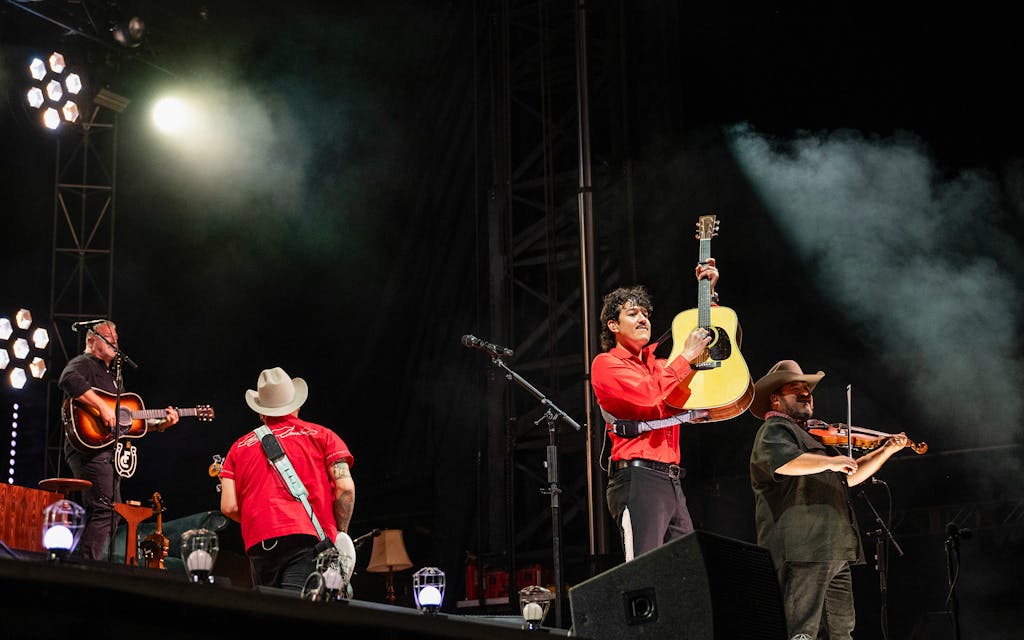 Cordero onstage at the 2025 Texas Tech homecoming concert.Photograph by John Davidson
Cordero wrote his first song, “Slow Down, Life,” when he was seventeen years old for a performance at an assembly at his high school in Midland, where he grew up. “My dad came home from work the way he always does and walked around every room in the house, closing the blinds,” Cordero said. “As he’s closing the blinds and I’m playing it, he kind of stopped what he was doing and just listened. And he said, ‘You wrote that?’ I said, ‘Yes, sir.’ He goes, ‘That’s really good. You should keep doing that.’ And he’d never told me that about anything else.”
Cordero followed that advice and began playing gigs at restaurants and bars around Midland, performing mostly covers while continuing to write. Rather than making plans to move to Nashville or Austin to pursue a career in country music, Cordero was drawn to Lubbock. “The dream was to move to this town to start a band and to do the whole thing because I heard about all the noise coming out of this place,” Cordero said.
He moved there at twenty, transferring to Tech as an accounting major and rooming with his childhood friend, Flatland drummer Jason Albers. Between classes, Cordero focused on rehearsing and writing music until he’d written enough original songs to play his first hour-long set at the Blue Light, which has a no-covers policy.
Flatland’s lineup has evolved a little over the years, but for most of the group’s time together, it’s been Cordero on acoustic guitar and lead vocals, Albers on drums, Reid Dillon on electric guitar, Jonathan Saenz on bass, and Wesley Hall on fiddle. Tech grad Adam Gallegos heard some songs he thought could use banjo and mandolin and sent the band a video via social media of him playing on top of their songs. They liked it so much they invited him to join as a multi-instrumentalist in 2020. He’s been part of the band ever since.
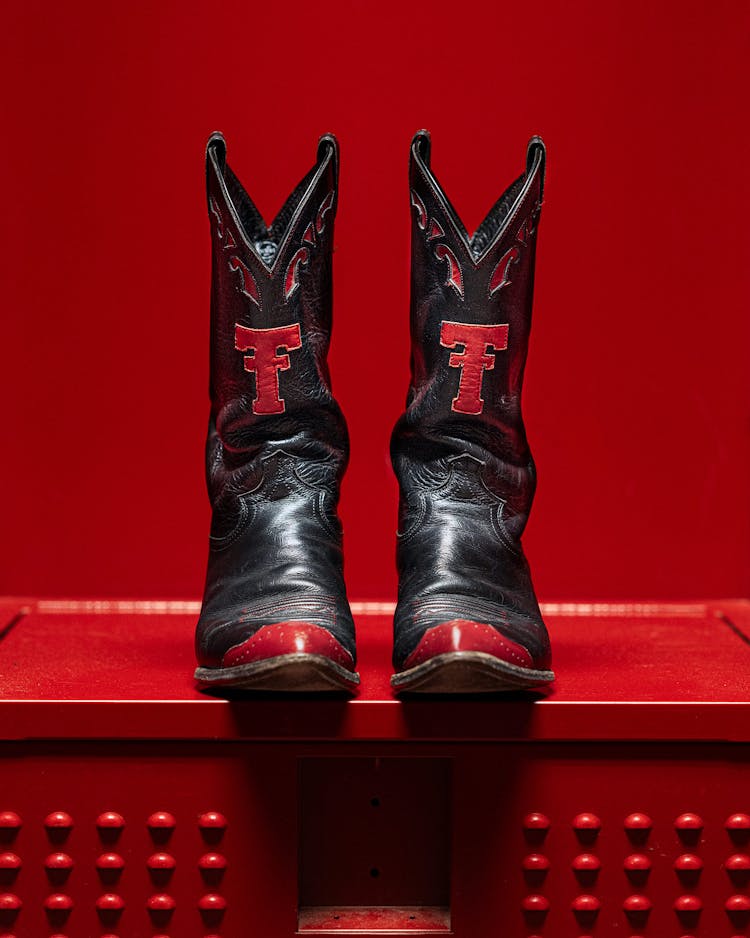 Cordero’s Texas Tech boots for the show. Photograph by John Davidson
 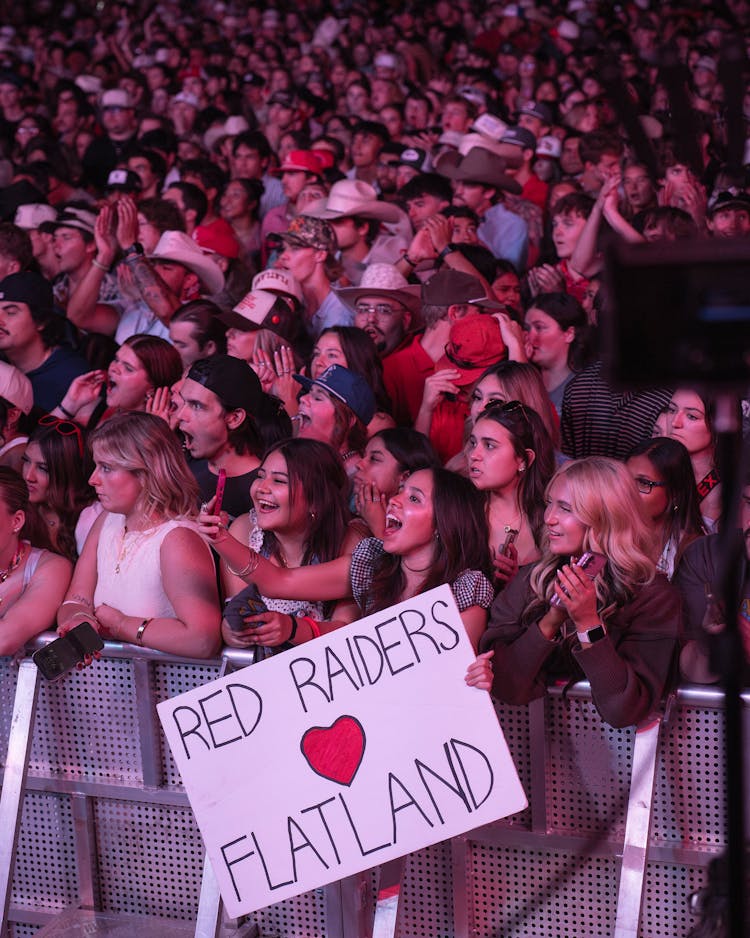 A sea of Flatland Cavalry fans at Urbanovsky Park on October 10, 2025. Photograph by John Davidson
Less than a year after its first show, Flatland released an EP, Come May, in 2015. A debut album, Humble Folks, arrived the following year. “The EP led us to tour West Texas,” Albers said. “Humble Folks came out, and that brought us to all of Texas and a little of Oklahoma. Homeland Insecurity brought us coast-to-coast.”
These days, the bandmates travel with two tour buses and an eighteen-wheeler full of gear. And Flatland just got back from a swing through Australia and New Zealand, where it opened for Lainey Wilson.
“I lived ten lives in the last ten years because before that, my whole childhood and existence was in Midland,” Cordero said. “Didn’t know it was any bigger than that, which is fine. It’s a beautiful thing too, looking back at it. But now I’ve seen and done so much. . . . And I know there’s still more world to discover, or what have you, but there’s a part of me that does at times miss that simplicity.”
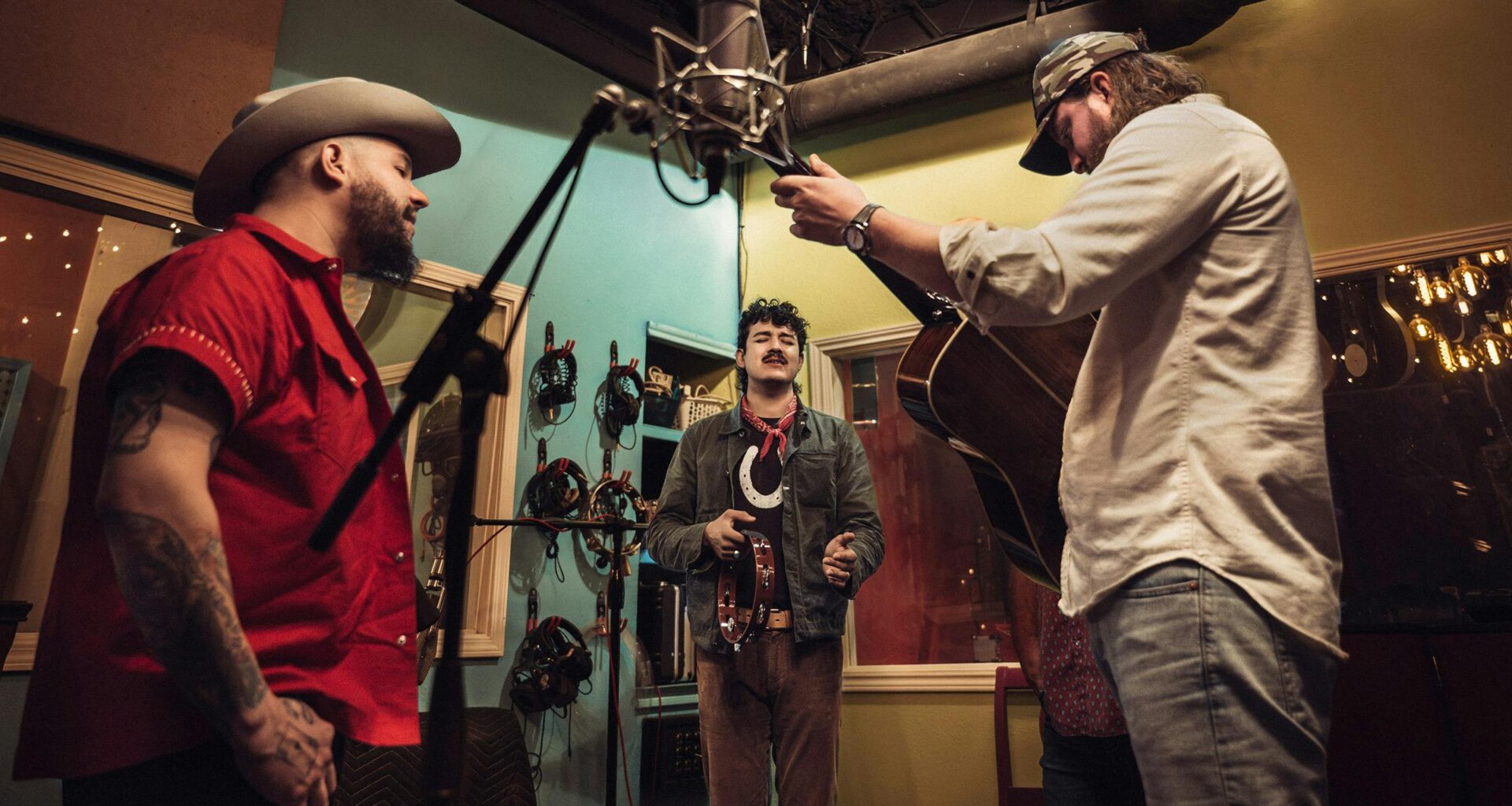
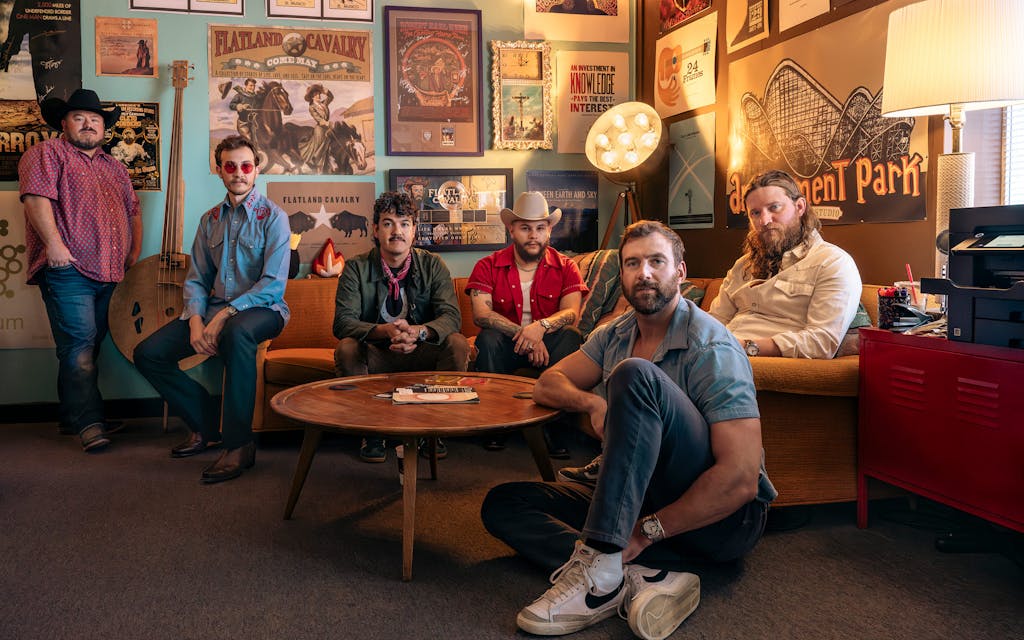 Flatland Cavalry at the Amusement Park Recording Studio.Photograph by John Davidson
The stage at the homecoming show was set to look like a living room. It could have been a scene from “Three Car Garage,” a track on the album Flatland Forever(more) that recalls the Lubbock rental where the fledgling band used to party and rehearse. The song begins simply, with warm strumming from Cordero’s guitar and his unaffected voice reflecting on the days when his buddies, a few beat-up chairs, and a cooler full of beer could solve any problem. As he journeys through his memories, the band joins in, harmonies come together, and the track becomes a full-throated reminiscence of the good old days.
When Cordero—in jet-black pants with tassels that fluttered in a dry High Plains breeze—ripped into “Lubbock,” an earnest love letter to the group’s hometown, the crowd of 17,000 humble folks sang along. Flatland’s biggest hit, the certified-gold single “A Life Where We Work Out,” got a similar reaction. Written by Cordero and recorded with his now-wife, Kaitlin Butts, the duet laments an unrealized future in which a great love didn’t fall apart and the couple singing have created a life together. These songs demonstrate a nostalgia that’s been present in Cordero’s music since he wrote “Slow Down, Life” as a teenager in Midland.
Flatland also performed “On and On,” a track from Work of Heart that offers a glimpse of where the band might be going. It’s different from the tune of longing Cordero first sang with his wife-to-be. Instead, love is compared to a “don’t-stop-playin’ radio station” and a litany of never-ending occurrences that, like his affection, go “on and on and on.” It aspires to be the kind of tune that remains in steady rotation for a generation or more, in the tradition of Randy Travis’s “Forever and Ever, Amen.” The instrumentation and production are traditional, timeless, and simple. It looks ahead, rather than back, like an antidote to the ache of nostalgia.
As the set continued, I was struck by the elaborate production and the army of people it takes to put on a Flatland show. Later, I asked whether Cordero felt the weight of responsibility for all those workers—guitar techs, sound producers, roadies, drivers, managers, and art directors—as Flatland prepared to hit the road for a 37-stop tour to promote its new record.
“What’s funny is people ask me that question, and I genuinely don’t feel that,” he said. “I never did until people brought it to my attention. . . . I’m choosing to be here and chase this dream, and it’s led to this other thing, and people are getting to follow their dream along with it.”
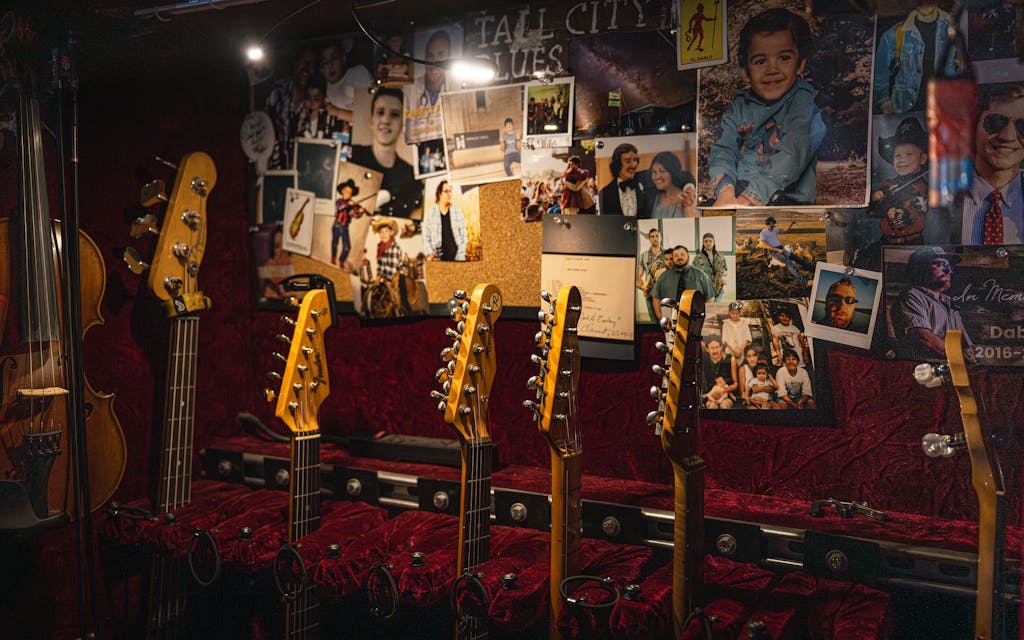 A case of the band’s guitars lined with personal photos backstage on October 10, 2025.Photograph by John Davidson
At the Blue Light, the bouncer instantly recognized Cordero and waved the entourage through the door. The singer went straight to the ATM inside to withdraw enough cash to pay everyone’s $10 cover. Blue Light management may not charge local talent to get in, but Cordero insisted.
Inside, Cole Phillips, a young Oklahoma artist, played while various members of Flatland jockeyed for who would buy the first round of “Burn shots” of the venue’s famous habanero-infused vodka.
I asked Cordero about the dream he’s chasing with Work of Heart. As he often does, he answered rather abstractly, about the value of art and what songs can mean to people. But I wanted to know about tangible goals and what it might take to reach them.
“I don’t even have my eyes or heart set on a Grammy or anything like that,” he said. “All those things would be great and cool. I just hope it’s bringing a lot of people together—that’s what I’m really hoping for.”
It seemed like everyone at the Blue Light wanted to talk to Cordero—more so there than at the reception. But this felt like a family reunion rather than an obligation. For Cordero and the rest of Flatland Cavalry, returning to Lubbock’s famed venue seemed to be the most important homecoming of the week. Playing there, after all, had been the first big dream.
Read Next