
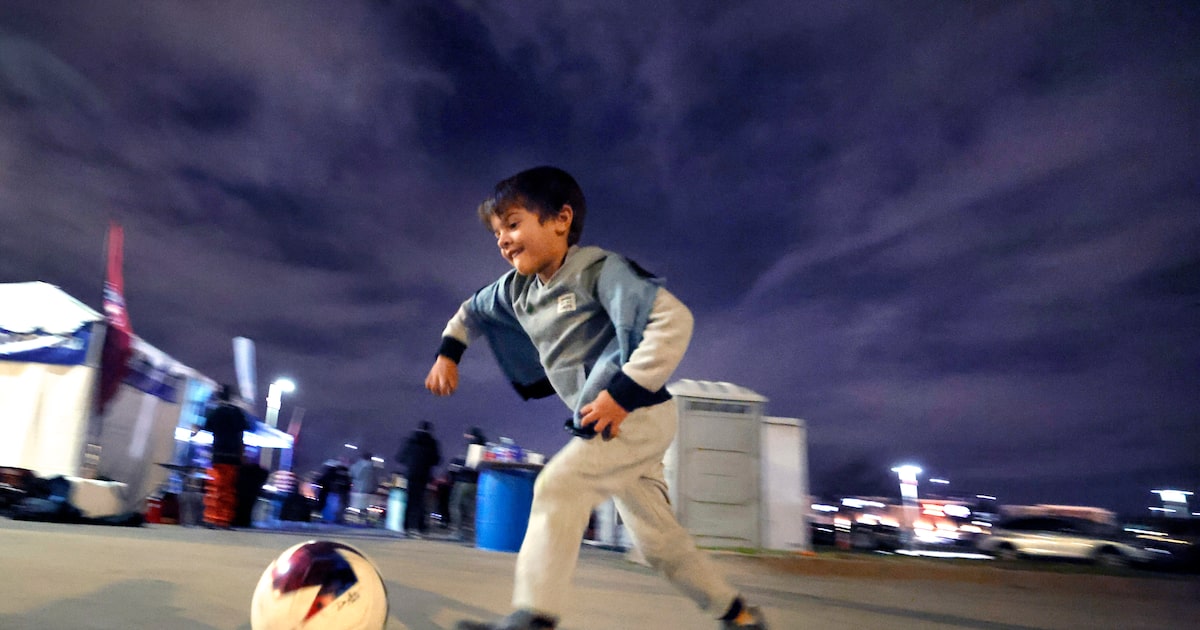
Tailgating, an art form to some, can pose serious health risks if done incorrectly.
In just a few short months, North Texas will host nine World Cup matches and tailgates during some of the hottest months of the year. Unlike (American) football season, which starts sweltering but cools by the end of the season, the temperature may only get hotter during the World Cup’s Arlington schedule.
Natives and tourists alike will need to exercise extra caution when partying outdoors in the extreme heat. Here are a few tips to stay safe:
Hydration
Sports Roundup
In stifling summer heat, everyone knows water is essential. But it may surprise even seasoned Texans just how much experts recommend. Dr. Paul Ou, a professor at Texas A&M University College of Medicine, said adults in the sun all day should drink one to two bottles of water an hour. He recommended monitoring your urine color – the lighter the better – to make sure your body’s receiving enough hydration.
That calculus can also change when adding alcohol to the mix, which puts tailgaters at an increased risk of dehydration. Dr. Ou suggests hydrating well the day before to ensure the body is prepared.
Dr. Ou also said moderation is important with alcohol, and eating regular, nutritionally balanced meals can help balance the effects.
Sun safety
There’s sun, and then there’s Texas sun. The intense UV radiation from the rays can cause damaging sunburns and increase the long-term risk for skin cancer. Repeated application of sunscreen and long, loose clothing are both essential for protecting the skin.
Wide-brimmed hats, like cowboy hats, are effective for limiting sun exposure to the face.
It’s also crucial to know the signs of heat exhaustion. It’s characterized by dry mouth, dizziness, and fatigue. Dr. Ou said a good check is to keep an eye on the color of your face and those of your fellow tailgaters. If your skin begins looking red or pink, your body may be having a hard time keeping up, a good indicator to take a break in the shade.
Heatstroke, when the body stops sweating and loses the ability to regulate temperature, always requires medical attention. Call 911 or contact the nearest paramedic. While waiting for first responders, try to cool the affected person any way you can, including a cold shower, spraying them with a garden hose or ice packs.
If breathing is not detectable, CPR may be necessary. The American Red Cross recommends a rate of 100 to 120 chest compressions per minute, given 30 at a time with two breaths in between. The chest must rise with breaths for them to be effective.
Grill awareness
Grilling at a tailgate is a classic activity, but in the dead of summer, it can come with more risks than just fire safety.
The heat from the grill can increase body temperature and exacerbate dehydration. Food safety is also particularly crucial in high temperatures, where meat or other cooked foods may be more likely to spoil. Dr. Ou recommends cooking only what you plan to eat immediately and to not let food sit out for hours.
Having a cooler full of ice on hand is also essential. It can serve a double purpose of keeping food fresh and warding off heat stroke if symptoms start.
Chillier, windy Friday ahead for Dallas-Fort Worth with slight chance of rain overnightGrass fires possible to the west of D-FW Thursday with temps in upper 80s