
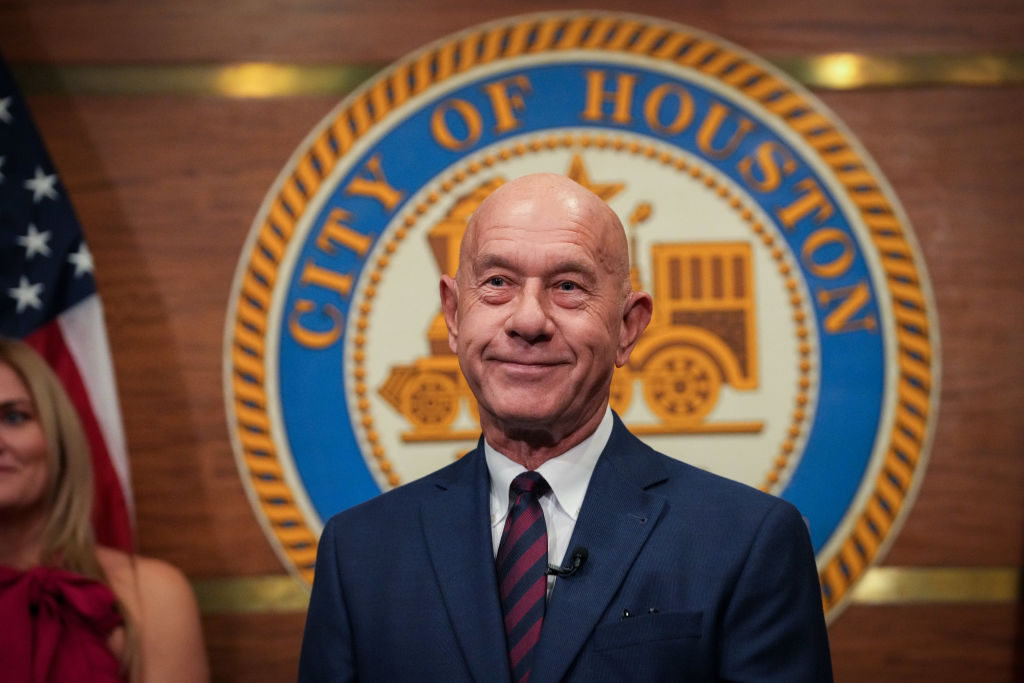
“I’d lock them (members of congress) in a room if I was in charge and say, ‘do not come out until you have a solution, an agreement,'” Mayor John Whitmire said in a statement posted on social media.
The comment comes as travelers at Bush Intercontinental Airport and Hobby continue to face wait times of up to four hours, driven largely by staffing shortages. More than 40 percent of TSA officers have reportedly called out during the shutdown, leaving checkpoints operating at roughly one-third to one-half of normal capacity, according to Jim Szczesniak, aviation director for Houston’s airport system.
“I empathize, as a Houstonian, as the mayor, with what they’re going through,” Whitmire added. “It’s frustrating to me that it’s in our city and it can’t be resolved, because it’s not rocket science. Let these people be paid. They’re essential workers.”
He also emphasized the limits of local authority.
“The City of Houston has no control over TSA agents and the federal government shutdown,” Whitmire reminded. “If it was a city issue, we wouldn’t be having this discussion.”
In Washington, efforts to end the shutdown remain uncertain. The latest proposal, made by Republican senators, would fund most of the Department of Homeland Security, but not the immigration enforcement and removal operations. The offer added some new restraints on immigration officers, including the use of body cameras, but excluded Democrat demands such as requirements that federal agents wear identification and refrain from conducting raids around schools, churches or other sensitive places.
Nationwide on Wednesday, more than 11 percent of the TSA employees on the schedule missed work, according to DHS—that’s over 3,120 callouts. 39 percent of the callouts came from Bush Airport, while nearly 32 percent came from Hobby.
For local lawmakers and Houston residents, despite the frustrations, the fate lies with Washington. Even if funding is restored soon, experts have warned that recovery will take time. That timeline raises concerns as Houston prepares to host matches during the 2026 World Cup, when millions of visitors are expected to travel through the region.
For now, travelers may need to continue adjusting expectations because even with reinforcements, long lines at Houston’s busiest airport are likely to persist.