
Home » Latest Travel News » Florida Joins California, New York, Texas, Nevada, Georgia, Washington and More States as Government Sets to Implement Eight Massive Tourism Measures to Boost US Tourism Growth and Revenue This Year: Everything You Need to Know
Published on
March 29, 2026
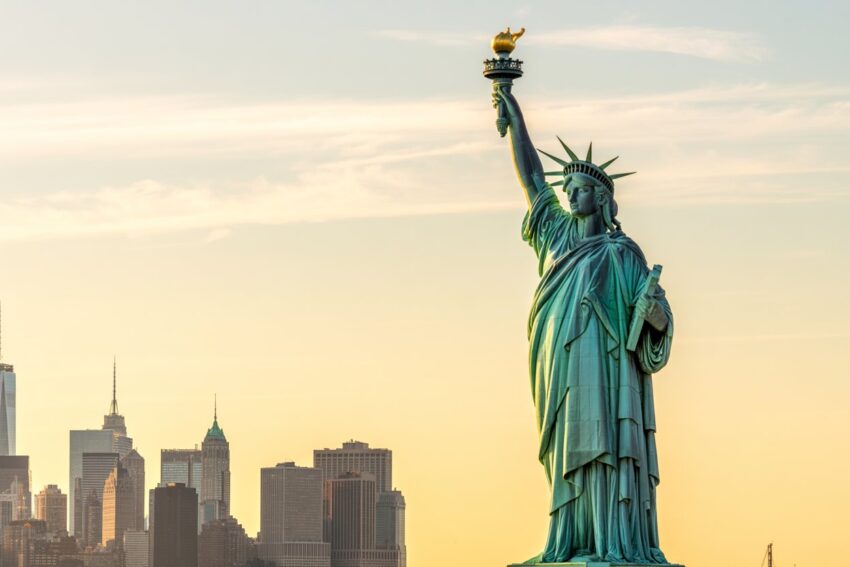
Image generated with Ai
Florida joins California, New York, Texas, Nevada, Georgia, Washington and more states as government sets eight tourism measures to boost US tourism growth and revenue this year, easing travel barriers. These measures include global marketing campaigns, faster visa processing, restored tourism funding, major event planning, airport security upgrades, safety initiatives, airline rerouting strategies, and hotel promotions. The coordinated approach is designed to capture international demand, improve connectivity, and enhance traveller experience amid global disruptions. By reducing entry friction and strengthening infrastructure, the government aims to increase arrivals, extend visitor stays, and maximise spending, ensuring sustained tourism growth and revenue across Florida, California, New York, Texas, Nevada, Georgia, Washington and more states this year.
Brand USA “America the Beautiful” Campaign — Driving Global Demand
The United States is aggressively repositioning itself as a top global destination through the “America the Beautiful” campaign, led by the Brand USA. This initiative is designed to capture global attention ahead of major events like the FIFA World Cup 2026 and America’s 250th anniversary. By leveraging AI-powered itinerary planning, multilingual marketing, and digital platforms, the campaign is targeting key international markets including India, Japan, and the UK. The strategy focuses on emotional storytelling and personalized travel experiences to convert interest into bookings. With a projected $551 billion economic impact and strong return on investment, the campaign is not just promotional—it is a structural tool to rebuild inbound tourism demand, especially as global travel patterns shift away from conflict-affected regions.
MeasureKey DataTourism ImpactCampaign LaunchOctober 2025Global tourism pushEconomic Impact$551BDemand generationMarkets Targeted9 countriesExpanded reachROI$20 per $1 spentHigh efficiencyFIFA PASS — Fast-Tracking Global Visitors
To manage the surge of international visitors expected for the FIFA World Cup 2026, the US introduced the FIFA Priority Appointment Scheduling System (FIFA PASS). This system accelerates visa processing for ticket holders, reducing wait times and removing a major barrier to travel. With 5 to 10 million visitors projected, the initiative ensures smoother entry into the country while maintaining standard security checks. Additional consular officers have been deployed globally to handle increased demand. By prioritizing accessibility, the US is positioning itself as a welcoming destination during a time when other regions face travel disruptions. This measure directly supports tourism growth by enabling more visitors to attend large-scale events without bureaucratic delays.MeasureKey DataTourism ImpactVisitors Expected5–10 millionHigh demandVisa Wait Time6–8 weeksFaster accessOfficers Deployed400–500Increased capacityEconomic Boost$30BEvent-driven tourism
VISIT USA Act — Restoring Tourism Funding
The VISIT USA Act represents a major policy move to restore funding for Brand USA, ensuring sustained international marketing efforts. The act proposes reallocating $160 million from surplus travel promotion funds, strengthening the US’s ability to attract global visitors. With upcoming mega-events expected to bring nearly 40 million visitors and generate over $100 billion in economic impact, this funding is critical. The bipartisan support behind the legislation highlights its importance in maintaining competitiveness against other global destinations. By securing long-term funding, the US is reinforcing its tourism infrastructure and marketing capabilities, ensuring it remains a top destination even amid global uncertainty.
MeasureKey DataTourism ImpactFunding Proposal$160MMarketing boostVisitor Potential40MGrowth opportunityEconomic Impact$100B+Revenue generationSupportBipartisanPolicy stabilityAmerica250 — Turning History into Tourism Demand
The America250 initiative is transforming the country’s 250th anniversary into a nationwide tourism driver. Through events, cultural programs, and destination marketing, the US is creating year-long travel opportunities across all states. Cities like Philadelphia are launching weekly events, while states are developing branded experiences to attract both domestic and international visitors. This initiative not only boosts tourism but also distributes visitor spending across regions, reducing pressure on major cities. By combining history, culture, and large-scale celebrations, the US is creating a unique travel narrative that appeals to a global audience.MeasureKey DataTourism ImpactProjected Visits70.4M (2026)Demand growthEventsNationwideVisitor engagementCampaign ScopeAll statesWider reachGrowth Rate+3.7%Recovery boost
TSA Security Overhaul — Enhancing Travel Experience
The US is modernizing airport security through advanced technology and streamlined processes led by the Transportation Security Administration. New CT scanners, biometric systems, and digital ID integration are reducing wait times and improving passenger flow. Policies such as relaxed shoe removal and automated screening lanes are making travel more convenient, addressing long-standing complaints from international visitors. These improvements are particularly important for major airports handling over 100 million passengers annually. By reducing friction at entry points, the US is enhancing the overall travel experience, making it more attractive for tourists choosing between global destinations.
Advertisement
Advertisement
MeasureKey DataTourism ImpactPassenger Volume100M+ annuallyHigh throughputTechnologyBiometrics, CT scannersFaster processingPolicy ChangesNo shoe removalImproved experienceDigital IDEnabledReduced delaysState Department Charter Flights — Building Confidence
The US government has demonstrated its ability to protect travellers through large-scale evacuation and support operations. With $40 million allocated for emergency charter flights and over 47,000 citizens assisted, the State Department has reinforced confidence in travel safety. This proactive response signals to international tourists that the US is capable of managing crises effectively. Travel advisories and coordinated support systems ensure that travellers feel secure, even during global disruptions. By prioritizing safety and rapid response, the US strengthens its reputation as a reliable destination.MeasureKey DataTourism ImpactFunds Allocated$40MCrisis responseFlights Operated~50Evacuation supportCitizens Assisted47,000Confidence boostAdvisory Coverage14 countriesSafety assurance
Airline Rerouting Strategies — Maintaining Connectivity
Airlines serving the US market are adapting quickly to maintain connectivity despite disrupted Middle Eastern airspace. By rerouting flights and adding technical stops, carriers are ensuring continued access to major US destinations. Although these adjustments increase travel time and costs, they prevent a complete breakdown of global connectivity. Airlines like Air India and Emirates have maintained operations to key US cities, preserving passenger flows. This adaptability is critical for sustaining tourism during the crisis, ensuring that travellers can still reach the US even under challenging conditions.
Advertisement
Advertisement
MeasureKey DataTourism ImpactFlights Cancelled4,000+Initial disruptionRerouting Time+2 hoursIncreased costAirline StrategyAlternative routesMaintained accessMarket ImpactTemporary declineStabilization effortHotel & Hospitality Promotions — Stimulating Demand
The US hospitality sector is actively using promotions and discounts to attract visitors amid declining international arrivals. Major hotel chains are offering 20–40% discounts, bundled packages, and loyalty rewards to encourage bookings. Destinations like Las Vegas, Hawaii, and national park regions are launching targeted campaigns to capture both domestic and international demand. These efforts aim to offset losses from reduced inbound tourism and maintain occupancy rates. By focusing on value and experience, the US hospitality industry is adapting to changing travel patterns and ensuring continued visitor engagement.MeasureKey DataTourism ImpactRoom Sales Decline11M fewerDemand gapDiscounts20–40%Booking incentiveEconomic Impact$895B domesticDemand supportOccupancy Forecast62% (2026)Recovery trend
Florida — Miami Turns Global Football Fever Into a Broader Tourism Surge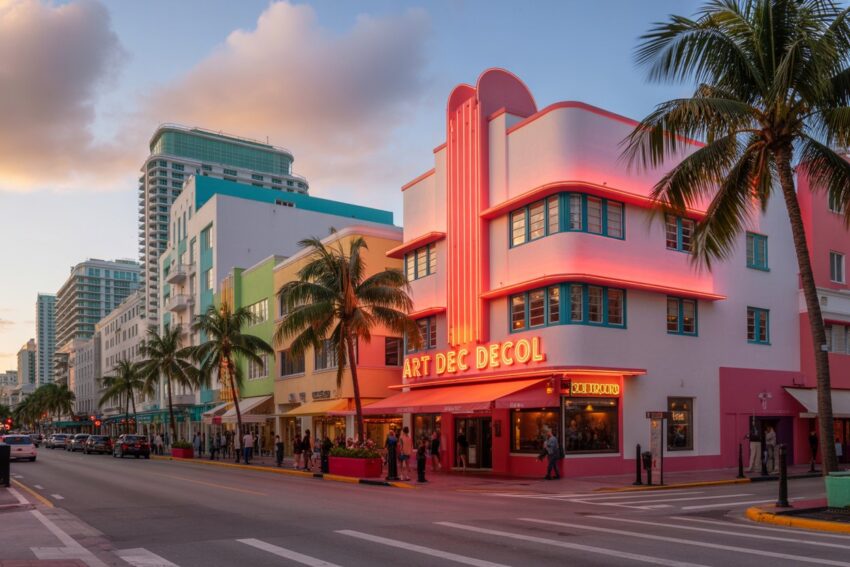
Image generated with Ai
Florida is set to see one of the biggest tourism lifts in the country as Miami becomes a major gateway city for the 2026 FIFA World Cup. The state is not just banking on matchday crowds. It is using Miami’s international airport strength, multicultural appeal, and established mega-event infrastructure to convert football visitors into longer-stay leisure travellers. That means more hotel nights, more restaurant spending, more attraction visits, and stronger regional tourism spillover into South Beach, Little Havana, the Everglades, and surrounding coastal destinations. Florida’s tourism strategy is also highly defensive. Officials are actively working to counter reputational risks and keep global travellers focused on the state’s scale, hospitality, and visitor-readiness. If execution holds, Miami will function as both an event city and a launchpad for wider Florida travel.
Key tourism growth drivers:
Nearly 1 million visitors expected in Greater Miami for 7 World Cup matchesHard Rock Stadium positioned as one of the headline tournament venuesVisit Florida launched a dedicated Miami 2026 World Cup travel portalMiami International Airport remains a major gateway for Latin American and European fansFIFA hotel packages and fan-zone travel tools are being used to extend stays
What this could mean for tourism:
Higher hotel occupancy across Miami-DadeMore pre- and post-match leisure travelStronger international brand exposure for FloridaIncreased spending across food, retail, nightlife, and nature tourismCalifornia — Los Angeles and the Bay Area Build a World Cup Tourism Machine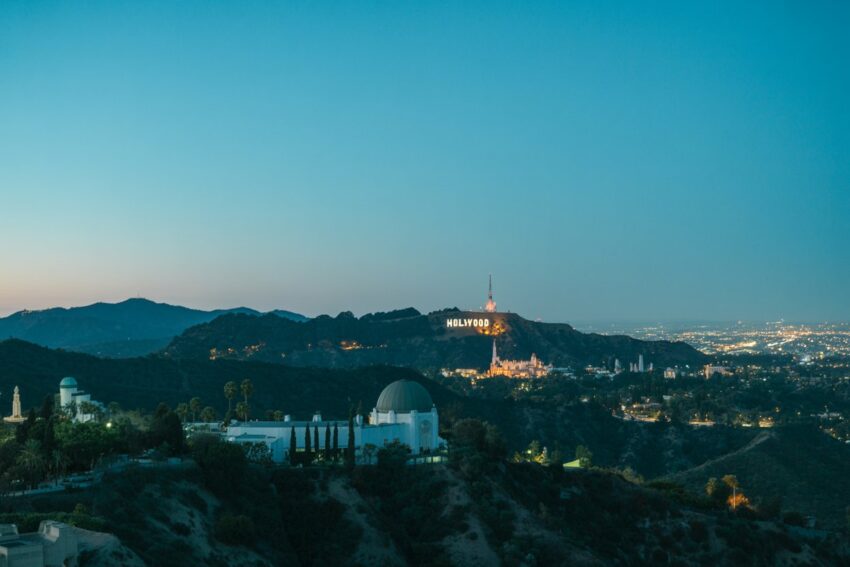
Image generated with Ai
California is preparing for one of the largest tourism windfalls in the United States, with Los Angeles and the Bay Area using the World Cup as a long-range marketing engine rather than a one-off event. Los Angeles alone is expected to attract a huge wave of incremental visitors, while statewide officials are positioning California as a premium arrival point for international fans. The tourism model here is sophisticated: combine matches with global promotion, neighborhood storytelling, airline bundles, food tourism, fan festivals, and multi-day itineraries. California is also one of the few states with the scale to translate sports visibility into years of tourism gains. If this momentum holds, the World Cup will not only fill rooms in 2026, but reinforce California’s standing as one of the world’s most marketable destination brands.
Key tourism growth drivers:
Los Angeles to host 8 World Cup matches at SoFi StadiumLA projected to generate about $600 million in total economic impactCalifornia projects up to $1.2 billion in statewide economic benefitsAbout 146,511 incremental out-of-town visitors expected for LA aloneAround 329,000 additional hotel room-nights projectedVisit California historically returns $19 for every $1 spent on advertising
What this could mean for tourism:
Stronger hotel demand in LA and surrounding countiesMore international arrivals from the UK, Mexico, Australia, and South KoreaExpanded food, entertainment, and neighborhood tourismLong-term gains from global media exposure and repeat visitationNew York — Global Demand, World Cup Spillover, and High-Value International Visitors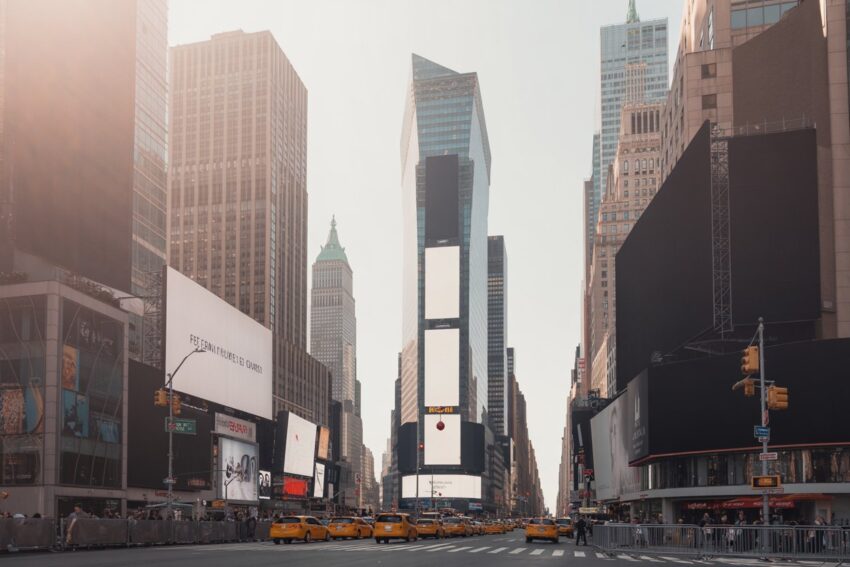
Image generated with Ai
New York is set to see tourism growth powered by a blend of event traffic, global city strength, and highly targeted international outreach. While matches will be played at MetLife Stadium in neighboring New Jersey, New York City is positioned to absorb much of the visitor volume, accommodation demand, and tourism spending. The city is treating 2026 not just as a sports year, but as a recovery and expansion year. It is targeting premium international visitors, especially from India, while also leaning on its enormous domestic tourism base. This is a powerful combination. New York can capture World Cup overflow while maintaining its cultural, retail, and sightseeing pull. If current strategies hold, the city is likely to see stronger visitor volume, longer stays, and a broader rebound in international spending.
Key tourism growth drivers:
66.3 million total visitors projected in 202612.9 million international visitors projected in 2026World Cup expected to bring 1.2 million visitors to the New York–New Jersey regionProjected World Cup economic impact of $3.3 billionAround 26,000 jobs tied to tournament activityNYC is targeting 428,000 Indian visitors in 2026Indian visitors spend about $2,300 per trip on average
What this could mean for tourism:
Higher hotel demand across all five boroughsStrong retail and sightseeing gainsGrowth in high-value long-haul marketsMore domestic and international multi-day bookingsTexas — Dallas and Houston Drive a Two-City Tourism Boom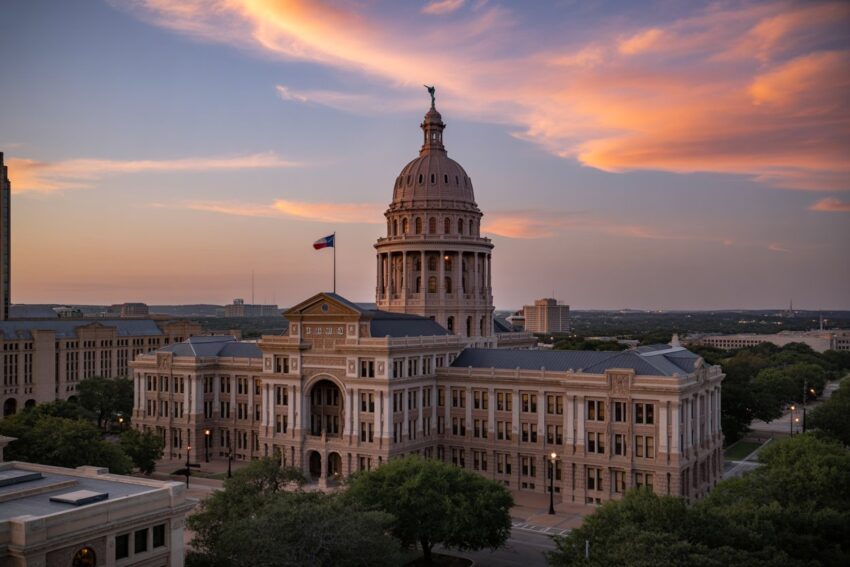
Image generated with Ai
Texas is preparing for one of the most aggressive tourism growth stories in the country, with Dallas and Houston together turning the World Cup into a large-scale regional visitor economy. Dallas will benefit from intense match concentration, a semifinal, and strong booking momentum, while Houston is framing the event as a citywide transformation tied to entertainment infrastructure and visitor movement. The tourism story is not limited to stadium districts. Restaurants, retail, short-term rentals, transport systems, and nearby cities like San Antonio are expected to gain from spillover demand. Texas is building for volume and legacy at the same time. If the current surge holds, the state will not only capture direct football tourism but also establish itself as a major destination for future sports, entertainment, and convention travel.
Key tourism growth drivers:
Dallas/Fort Worth hosting 9 matches, including a semifinalDallas projected direct impact: $400–$415 millionTraining camps may add $50–$100 million300,000–400,000 visitors expected across Dallas-area marketsHotel and rental bookings in Dallas jumped 102% after match schedule releaseAverage hotel rates hit $457 per night, up roughly 500% on comparable datesHouston hosting 7 matches with projected impact of $1.5 billionHouston expects 500,000+ visitors
What this could mean for tourism:
Major gains in hotels, dining, transport, and nightlifeHigher visitation in Arlington, Dallas, Houston, Frisco, and San AntonioStrong sports-tourism legacyNew entertainment districts and transit-linked tourism growthNevada — Las Vegas Rebuilds Through Value, Sports, and Event Density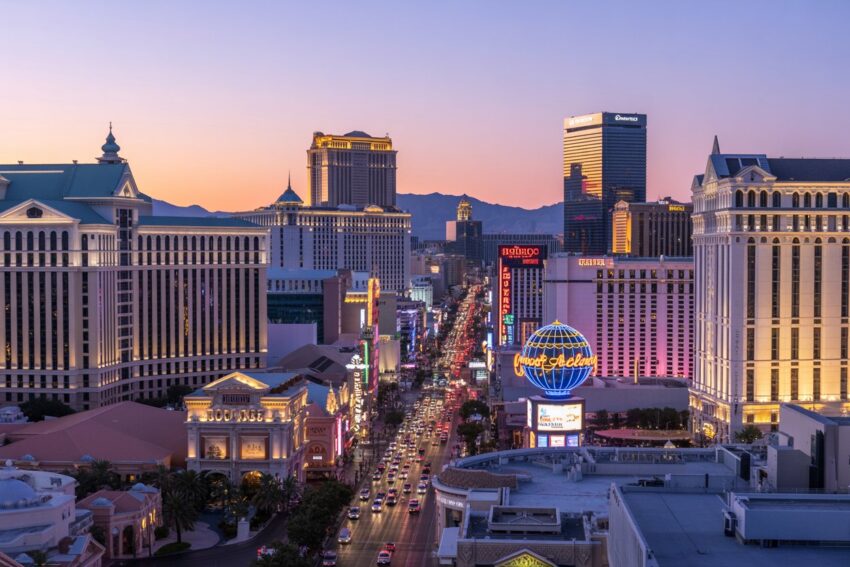
Image generated with Ai
Nevada is using 2026 to recover from a sharp tourism slowdown by leaning hard into sports, conventions, and value-based hospitality. Las Vegas suffered a steep decline in 2025, but the recovery strategy is highly targeted: fill rooms with event demand, bundle experiences, and attract budget-conscious domestic travellers while preserving premium convention business. The city is less dependent on the World Cup itself than some states, but it stands to benefit from the broader US tourism rebound and mega-event calendar. With WrestleMania, Formula 1, CES, and aggressive hotel packaging, Nevada is trying to turn a difficult year into a pivot year. If the strategy works, the state will regain visitor volume through diversified demand rather than relying only on one source market.
Key tourism growth drivers:
Las Vegas visitor volume fell by about 3.1 million in 2025Total 2025 visitors: about 38.5 million, down 7.5%January 2026 hotel occupancy: 79.5%Average daily room rate rose 6.7% to $200.15Convention attendance in January 2026 rose 6.9% to 672,100UNLV projects recovery to 40 million+ visitors in 2026MGM launched packages from $330 for two guests
What this could mean for tourism:
Better room recovery through value-driven demandStronger midweek performance from conventionsMore domestic leisure bookingsTourism gains tied to sports and entertainment rather than traditional international dependenceGeorgia — Atlanta Turns World Cup Visibility Into Long-Term Tourism Infrastructure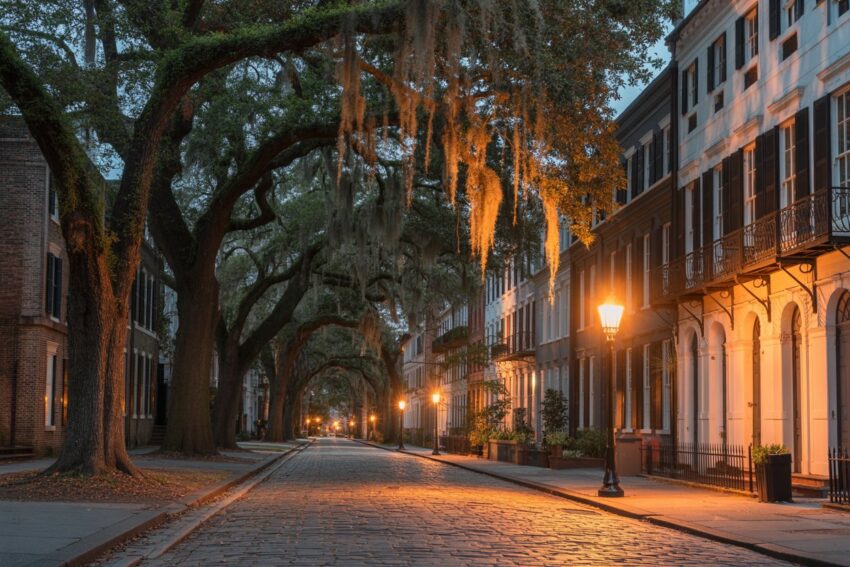
Image generated with Ai
Georgia is not treating the World Cup as a short-lived spike. Atlanta is using it as a catalyst to build lasting tourism infrastructure, strengthen visitor dispersal, and deepen international visibility. The city already has a strong visitor base, but the strategy now is to use global football traffic to create repeat travel. Centennial Yards, new visitor materials, and overflow fan programming in Decatur all point to a broader ambition: turn one tournament into a stronger long-term visitor economy. Georgia’s tourism agencies also understand that business travel and convention travel matter just as much as leisure. That makes Atlanta especially well-positioned to convert one-time event visitors into repeat business and family travellers in the years ahead.
Key tourism growth drivers:
Metro Atlanta welcomed about 51 million visitors in 2024Visitor spending reached nearly $20 billionGeorgia statewide welcomed 174.2 million visitors in 2024Statewide visitor spending hit $45.2 billionBusiness and convention travel generated $4.6 billionDecatur’s WatchFest ’26 could draw 10,000 visitors per dayDecatur alone projects up to $142.5 million in impactAtlanta hotel rates forecast to rise 2.9% in 2026
What this could mean for tourism:
Stronger international exposure for AtlantaMore hotel, food, and event spendingBetter use of overflow markets like DecaturPermanent urban improvements supporting future tourism growthWashington State — Seattle Uses New Law and World Cup Demand to Scale Tourism
Image generated with Ai
Washington State is taking one of the most structurally ambitious approaches to tourism growth. Seattle is expected to benefit heavily from the World Cup, but the bigger story is the new Tourism Assessment Program, which gives the state a sustainable marketing framework beyond the event itself. That means the tourism boost is not just about six matches. It is about converting those matches into a longer cycle of promotion, return visits, and stronger international positioning. Seattle’s cruise market, convention presence, and scenic identity already give it a diversified tourism base. The new funding mechanism allows the state to market more aggressively and consistently. This could make Washington one of the few states to convert a sports event into a lasting tourism policy advantage.
Key tourism growth drivers:
Seattle and King County recorded 39.6 million visitors in 2025Visitor spending reached $8.8 billionWorld Cup projected to generate at least $929 million for King CountyMore than $100 million in direct state and local tax revenue projectedUp to 750,000 visitors expected for World Cup festivitiesNew tourism marketing law boosts state funding to $25 million annuallyProjection includes support for 20,762 jobs
What this could mean for tourism:
Higher global visibility for SeattleStronger marketing in India and the UKBetter conversion of event visitors into repeat travellersSustainable long-term tourism promotion after the tournament endsPennsylvania — Philadelphia Turns World Cup and America250 Into a Double Tourism Engine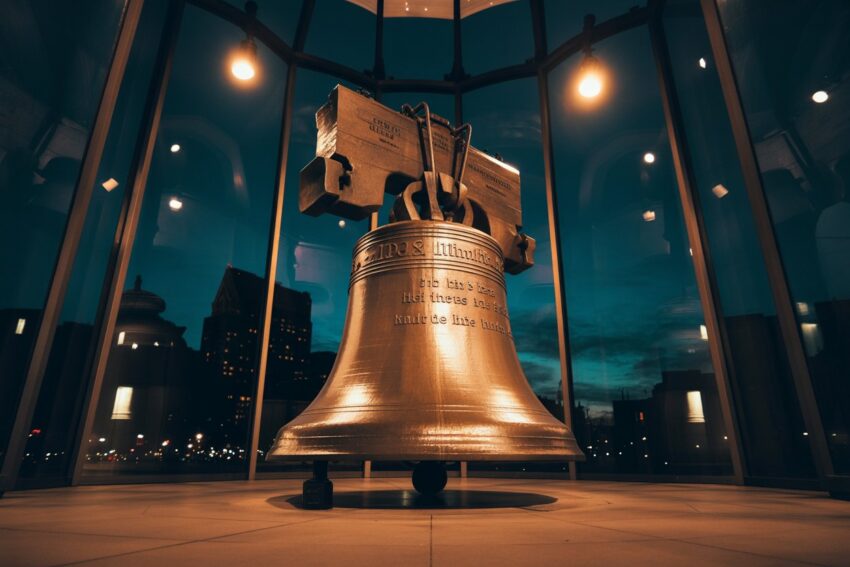
Image generated with Ai
Pennsylvania is building one of the most distinctive tourism growth strategies in the country by pairing the World Cup with America250 celebrations. Philadelphia’s advantage is emotional as well as logistical. A Round of 16 match on July 4 creates a once-in-a-generation overlap between global sport and national history. The state is leaning into that narrative with legal changes, fan zones, free events, and late-night hospitality measures designed to maximize visitor spending. This is not just event hosting. It is destination packaging. Philadelphia is being sold as part football city, part heritage city, part celebration capital. If the model succeeds, Pennsylvania could emerge as one of the strongest examples of how to use global events to lift tourism far beyond the stadium itself.
Key tourism growth drivers:
Philadelphia to host 6 World Cup matchesOne match scheduled for July 4, during America250 celebrationsNew law allows bars and restaurants to stay open until 4:00 AMPennsylvania will host 3 official fan zones beyond PhiladelphiaWelcome America offers 16 days of free eventsStatewide and corridor marketing ties Philadelphia to New York and BostonRegional impact expected to be amplified through rail-linked multi-city travel
What this could mean for tourism:
More overnight stays and nightlife spendingStronger heritage and event tourism crossoverHigher small-business revenue during celebration weeksA major boost to Philadelphia’s global profile in summer 2026
Florida joins California, New York, Texas, Nevada, Georgia, Washington and more states as government sets eight tourism measures to boost US tourism growth and revenue this year, easing travel barriers, improving access and driving demand.
Conclusion
Florida joins California, New York, Texas, Nevada, Georgia, Washington and more states as government sets eight tourism measures to boost US tourism growth and revenue this year—and the conclusion reinforces a coordinated national push. These measures, including global marketing, faster visa processing, restored funding, major events, airport upgrades, safety systems, airline rerouting, and hotel promotions, are designed to ease travel barriers, strengthen connectivity, and enhance visitor experience. As a result, the government aims to drive higher arrivals, longer stays, and increased spending. If effectively executed, Florida, California, New York, Texas, Nevada, Georgia, Washington and more states will benefit from sustained tourism growth and revenue this year.
Advertisement
Advertisement
