
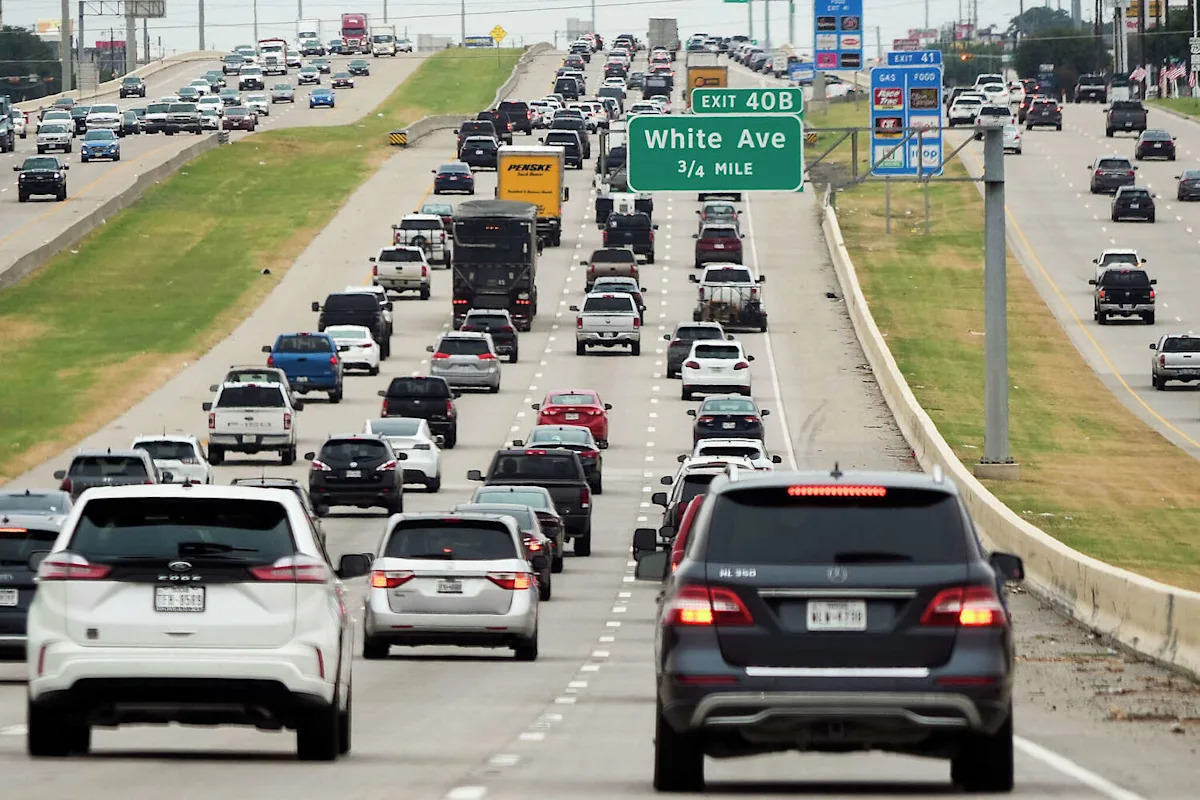
Collin County added nearly 43,000 people between 2024 and 2025, the second most of any county in America, according to the U.S. Census Bureau, while most counties across the country saw population growth slow and Dallas County shrunk.
Between July 1, 2024, and July 1, 2025, the bureau estimates Collin County grew to nearly 1.3 million residents. Houston’s Harris County took the top spot for numeric growth of any county in the U.S. in that time period, adding nearly 48,700 people. Harris is also the country’s third-most populous county with an estimated 5 million residents.
Most counties that grew between 2023 and 2024 saw their growth slow or reverse in 2025, and in many cases, counties already in decline saw population losses accelerate, the bureau found.
Several factors are at play in changing populations, said J.H. Cullum Clark, director of the Bush Institute-SMU Economic Growth Initiative. Birth rates overall are down, immigration policy is changing drastically in the U.S. and people are generally moving less. But demand to live in Collin County is still very strong.
“Collin County has been just consistently one of the biggest destinations for net moves in the United States for many, many years,” he said.
County Commissioner Darrell Hale said he’s not surprised to see Collin’s ranking, with traffic, housing demand, court cases and jail populations “on a continuous path up” in the county. That means officials have to focus on providing core services, he said, to ensure water, emergency services, police, fire rescue, courts and jails can keep up with growth.
“We definitely have to focus on the must-haves versus the nice-to-haves,” he said.
As production, development and industry grow north, Hale believes the region will see “a continuing northern pattern” of growth. He said he thinks the state will have to invest more in mobility, roads and traffic management to keep up.
Dallas County, still ranked as the country’s eighth-most populous, ranked No. 9 in the country for numeric population decline, losing more than 2,600 people between 2024 and 2025. The county “has a real problem,” Clark said, with population declines spelling economic risks. It could end up hurting Collin County, too.
“If Dallas County becomes progressively a less and less attractive place to be, the negatives could spill over,” he said. “It’s very tough, historically, to be a suburban place adjacent to a core urban place that is in decline.”
Among some of the country’s largest metro hubs, the fastest-growing areas tended to be on the outer edges, a pattern especially pronounced in Texas, according to the census bureau.
Even as Dallas County lost population, the Dallas-Fort Worth metropolitan area ranked No. 2 in the nation for numeric population growth from 2024 to 2025, adding more than 123,000 people, second only to the Houston area, the census bureau estimated.
After Collin County, the county that added the next most residents was Phoenix’s Maricopa County in Arizona, according to the census bureau, followed by Montgomery County north of Houston. Also representing Texas in the top 10 counties adding the most population were Fort Bend County southwest of Houston and Williamson County north of Austin.
Kaufman County also saw a major jump, adding more than 11,000 people for a growth rate of nearly 6%, the country’s third-highest.
Email tips on all things Collin County to lilly.kersh@dallasnews.com.