
CORPUS CHRISTI, Texas — One of the biggest takeaways from Tuesday’s Corpus Christi City Council water workshop is growing concern over Lake Texana and how quickly it could drop.
City Manager Peter Zanoni told council members the lake could fall to around 40 percent capacity by June. That level would trigger a cut in our water supply from the lake.
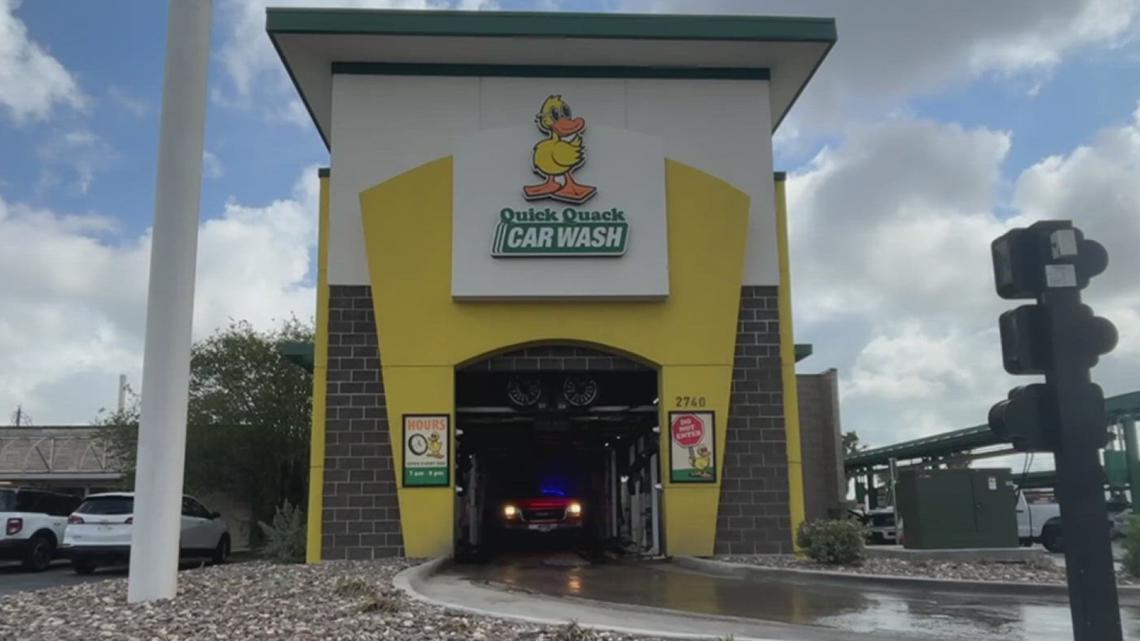
Another one of the immediate questions raised during the workshop was whether certain everyday services would be allowed to continue. That includes car washes.
Under a Level One water emergency, car washes would not be allowed to use city water. Councilwoman Carolyn Vaughn acknowledged the difficulty of that decision but said the focus has to remain on essential services.
“It’s got to be whatever is essential like hospitals things like that so is a car wash essential it’s not. They’ll probably shoot me for saying that, but we had to look at the things that are essential.”
Another major issue discussed was whether industrial users would face restrictions as well. Some residents have questioned whether large companies would be treated differently.
Councilman Mark Scott pushed back on that idea, saying industry will not be exempt.
“Industry is going to be curtailed too — and there’s a lot of conversation around on how that happens. Because they need some certainty to. They need to understand how they’re going to get to whatever number we come up with. So, this whole conversation about how industry is going to get a hall pass is just not true. They’re not going to get a hall pass.”
City Manager Peter Zanoni also pointed to a gap between residential and industrial water use trends. He said residents have already reduced consumption significantly, while industrial usage has not dropped at the same pace.
According to the city, the average household has gone from using about 7,000 gallons per month to roughly 4,500 gallons. However, the current drought plan still uses 7,000 gallons as the baseline for normal usage when calculating surcharges.
“Right now for a residential customer the plan says 7000 gallons of water is the normal rate and anything above 7000 is four dollars more per thousand.”
If drought conditions worsen, restrictions on homeowners could tighten even more. The city’s drought plan includes limits on refilling pools and hot tubs unless it is necessary to prevent structural damage. When not in use, pools would also be required to remain covered.
City leaders say no final decisions have been made, but with lake levels dropping, the timeline to act is getting shorter.