
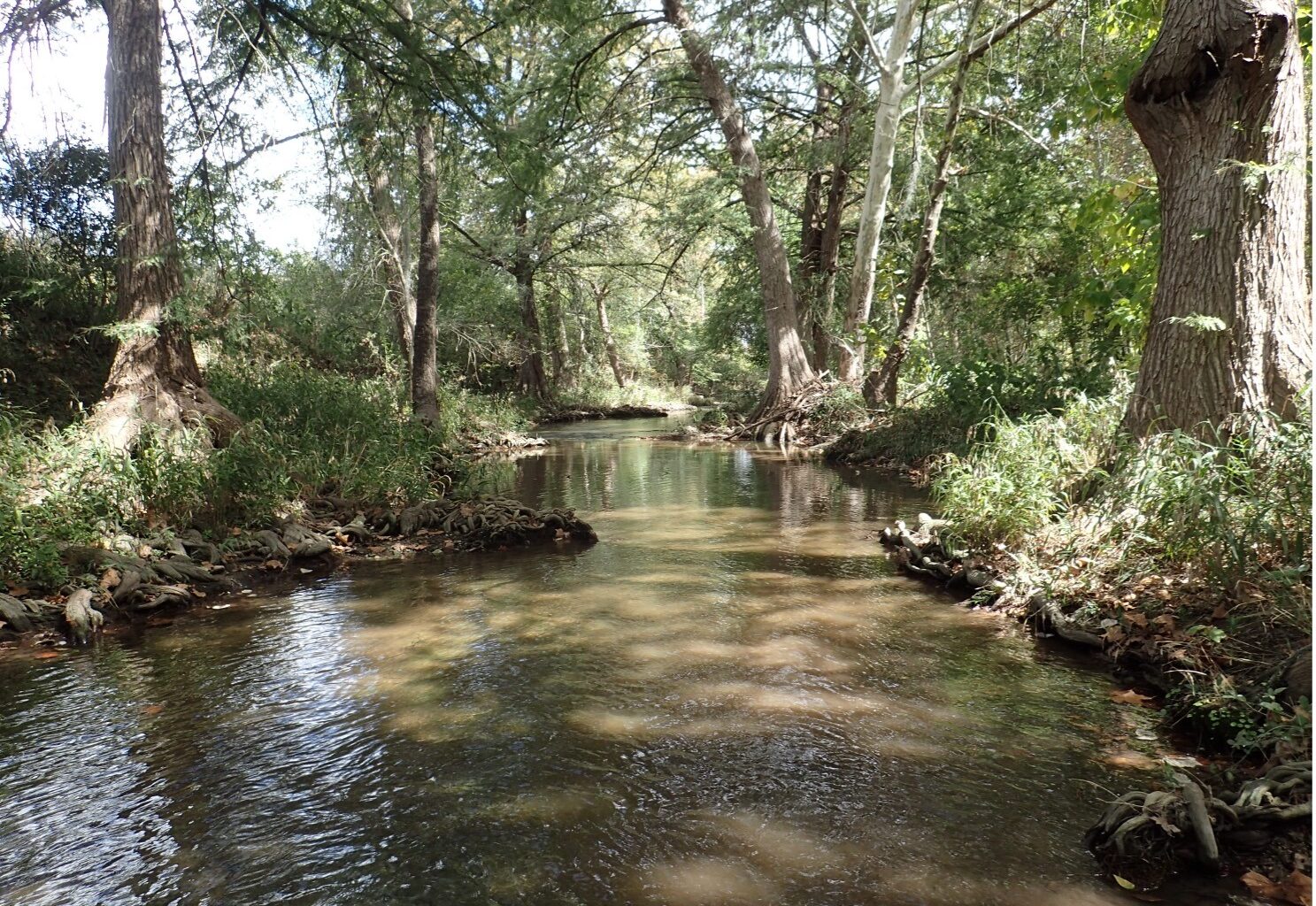
This April, we are celebrating National Native Plant Month by highlighting the native species doing some heavy lifting throughout our basin. River ecosystems provide habitat for a wide variety of species, and while fish, mammals, and other animals are fun to observe, plants and their impact can sometimes go overlooked. Plants are foundational building blocks that enable these ecosystems to be vibrant and full of life. Join us as we celebrate native plant species that help our creeks and the San Antonio River thrive!
The Power of Buffer Zones
Plants help create healthy riparian ecosystems ‑ unique, biodiverse transitional areas located along the edges of rivers, streams, lakes, and other water bodies. Plants growing in these areas increase water quality, reduce erosion, and provide food and refuge for aquatic and terrestrial wildlife. A healthy riparian buffer also makes the river safer for humans, slowing and absorbing water before it reaches a waterway. This process reduces flood severity, increases groundwater infiltration, and decreases the number of pollutants entering our waterways.
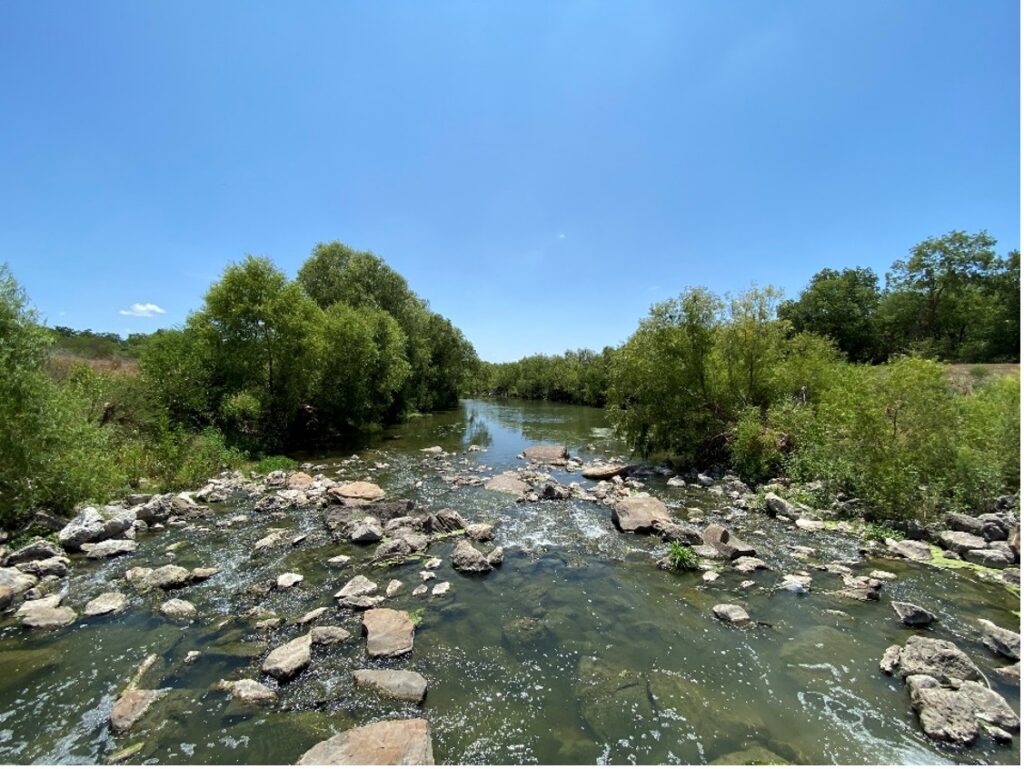 The Mission Reach Ecosystem Restoration Project helped to create healthy riparian buffers along the San Antonio River.
The River’s First Responders
Rivers are constantly changing. They erode the surrounding land, meandering and depositing organic and inorganic materials. During rainstorms they swell with water and shrink to a small flow during drier times. Due to the wide variability of their environment, riparian plant species have changed to be adaptable and help stabilize when things change drastically—especially here in Flash Flood Alley!
Pioneer species like native grasses, willows, and legumes move in as the river changes, putting down roots in the disturbed and deposited gravel and soil. These plants are resilient and grow quickly, acting like emergency services after a big event. As pioneer species establish, their roots anchor the soil, creating new habitat and paving the way for a full recovery.
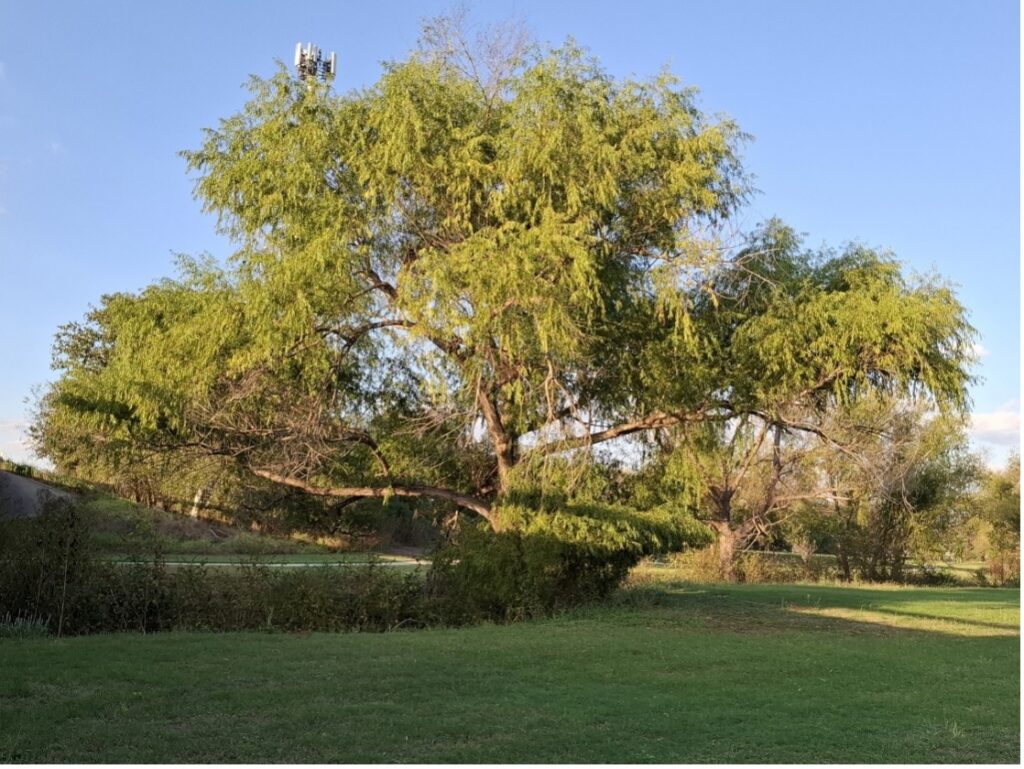 Black Willow (Salix nigra) along Escondido Creek in Karnes County (iNaturalist Observation)
Riparian Giants
Over time, as banks begin to build back up thanks to the groundwork laid by these pioneer species, larger trees and other plants can begin to move in and thrive. Eastern Cottonwoods (Populus deltoides) are some of the tallest trees in the riparian zones of the San Antonio River Watershed, often growing up to 100 feet! This tree is an important source of habitat for all kinds of creatures, including insects, woodpeckers, and birds of prey seeking to get the best vantage points. Below the surface, cottonwoods grow deep roots that tap into groundwater reserves, and this extensive root system helps them remain drought‑tolerant once established while also providing stability when flows increase.
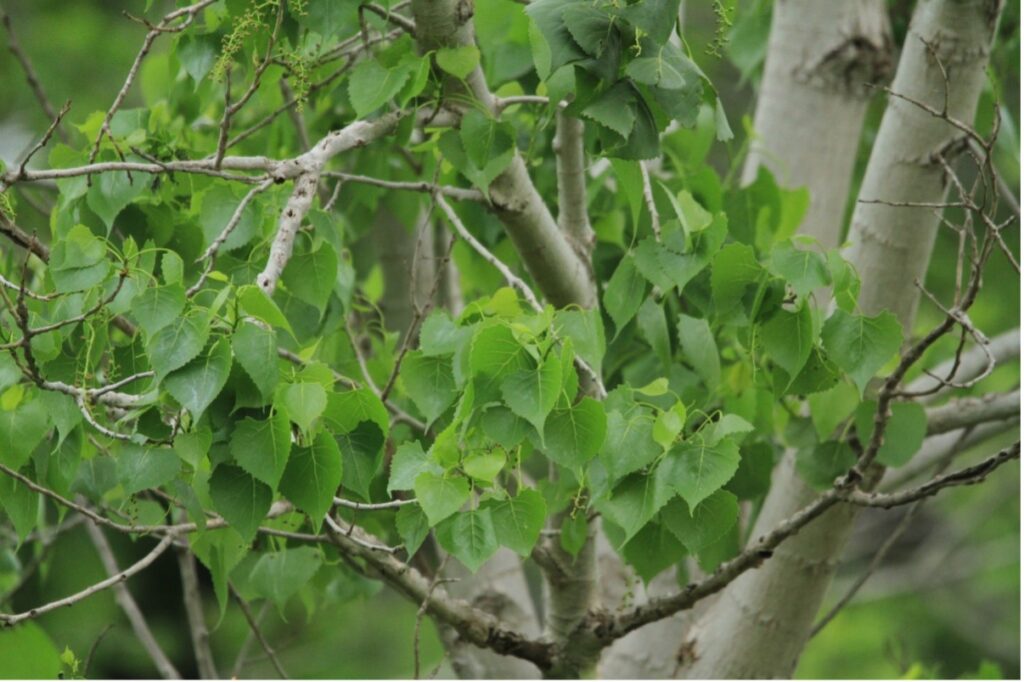 Eastern Cottonwood along Salado Creek in Southern Bexar County (iNaturalist Observation)
The Bald cypress (Taxodium distichum) is another species well-adapted to floodplains and riverbanks. A wide root system combined with above-ground pneumatophores, or “knees,” helps this tree stay in place during floods and continue to breathe even when the rest of the root system is underwater. Bald cypress trees commonly live up to 600 years, with some individuals surpassing 2,500 years! As rivers change course over time, the longevity of cypress trees makes them dependable stewards!
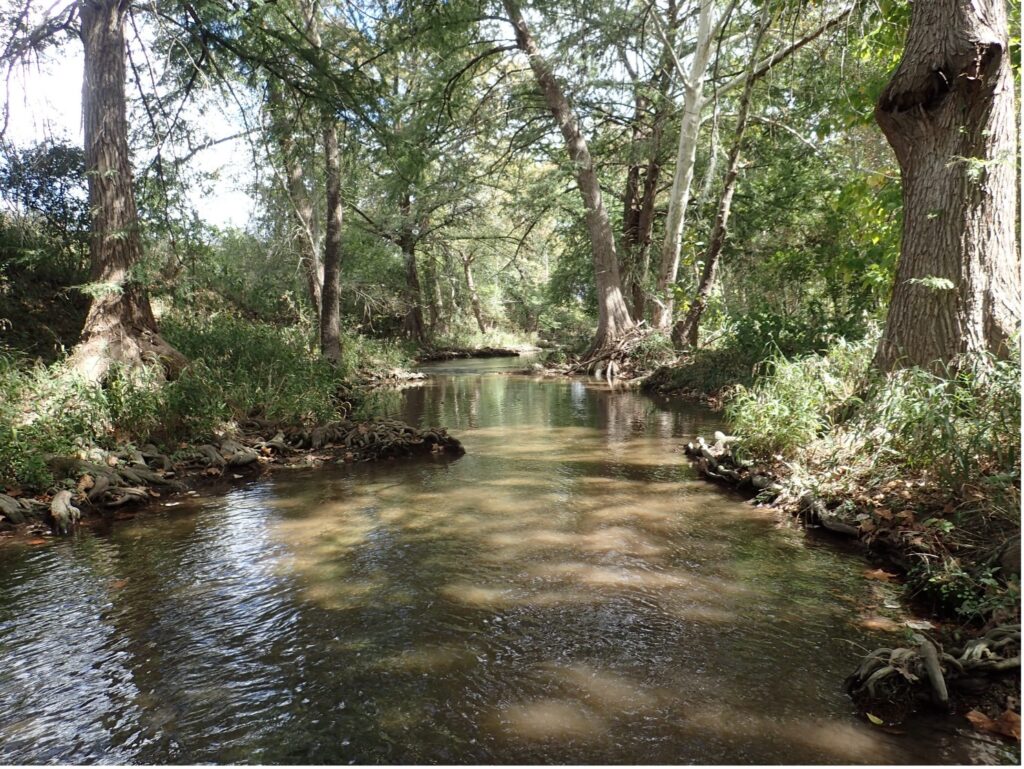 Bald cypress trees thrive in Upper Cibolo Creek near Boerne, TX
The River’s Aquatic All-Stars
Beyond the riverbanks, an entirely different plant community takes over; one adapted to life in the water. Specialist species like Horsetails (Equisetum), Cattails (Typha), and Spatterdock (Nuphar advena) have adapted to live their entire lives either partially or fully submerged in the water. As aquatic vegetation grows and performs photosynthesis, oxygen is released directly into the water, raising the amount available for bacteria, fish, and everything in between. These plants also make great habitat for animals that make their home in or around the plants, and give fish, amphibians, and aquatic insects a place to lay their eggs.
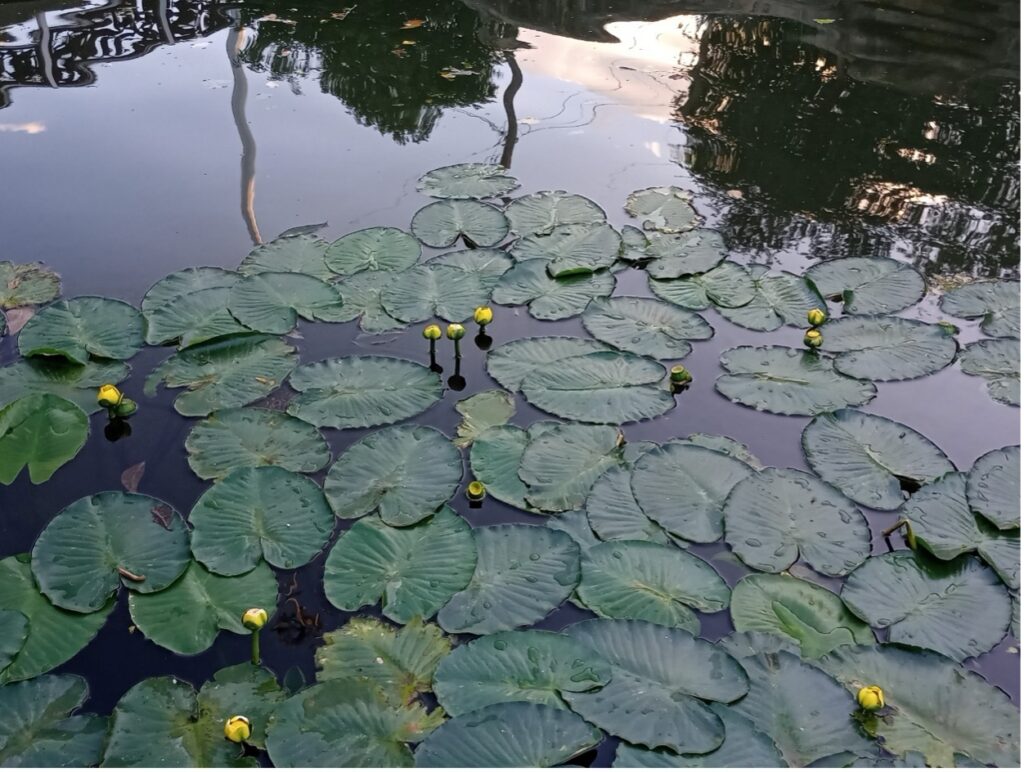 Spatterdock in the San Antonio River (iNaturalist Observation)
Habitats with these types of native plant communities are crucial to waterfowl and other migratory species. Without a diverse array of aquatic plants, the river would lose critical habitat utilized by a wide range of aquatic and amphibious species that make the San Antonio River basin their home!
Discover Native Plants Around You!
Next time you find yourself enjoying your local creek or river, take a moment to look around and see if you can spot a few native plants. (Bonus: Identify them using iNaturalist!). By understanding the impact and role of plants in our environment, we can appreciate how they keep our waterways healthy and balanced and help us to become better stewards of the river.