
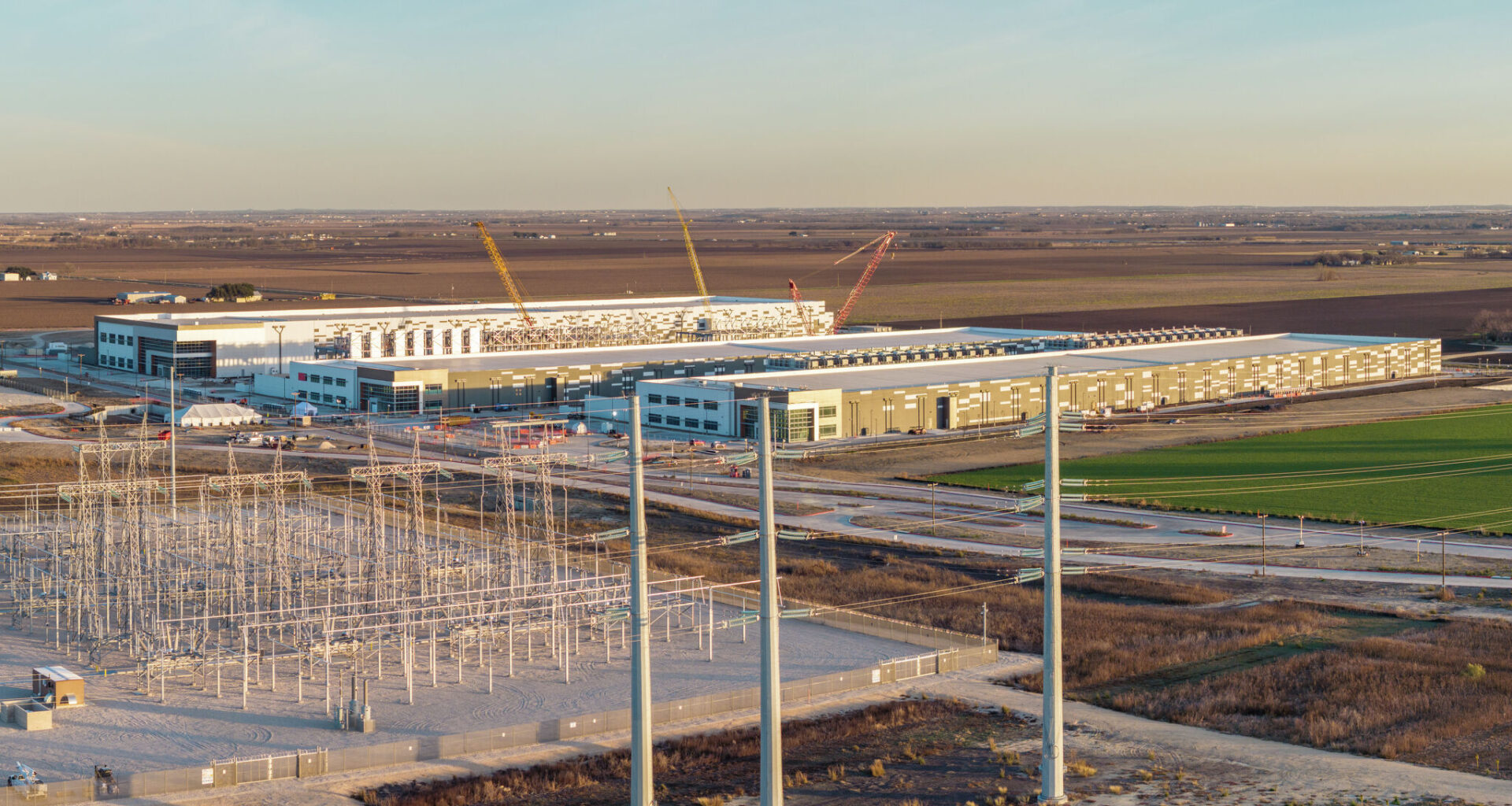
How, exactly, does AI and data centers use water? That all comes down to a two-pronged consumption via both direct and indirect water needs.
High-performance servers and data centers need substantial volumes of water to generate electricity as well as to manufacture materials, the nonprofit organization Environmental Law Institute shared in an October 2025 report. More than a decade ago in 2014, data centers were using 21.2 billion liters of water for operations; come 2023, that figure climbed to 66 billion liters.
Within data centers, the servers on site use electrical energy to store data and complete calculations; that effort is expended in the form of heat. To avoid overheating and mechanical failures, data centers previously would use air conditioners and fans to maintain a cooler environment. Now, water evaporation has risen in popularity as a means of cooling down large-scale operations and higher heat volume.
“In this evaporative cooling process, although less energy is used, significant water is lost as it evaporates with waste heat,” the Environmental Law Institute wrote. “Essentially, optimizing for energy efficiency can actually worsen water efficiency.”
Where, exactly, does that water come from? Typically, it’s acquired via purchases with local water utilities to pull from area surface water or groundwater. Therein lies the growing tension across Texas, particularly as large swaths of the state combat drought conditions already exacerbated by ongoing development.
On the flip side, zeroing in on indirect water use, U.S.-based data centers account for an indirect water footprint around 800 billion liters, drawn via electricity generation and manufacturing servers, chips and other related necessities. The Environmental Law Institute’s analysis found the creation of a single microchip requires approximately 2.1 to 2.6 gallons of water to cool machinery and remove any contaminants.
“While some data centers are in regions with abundant water and easily accessible without competing with other users, others may be built in areas of drought with degrading infrastructure,” the report noted. “More than 160 new AI data centers have sprung up across the U.S. in the past three years in places with scarce water resources. The strain often peaks during hot summer months or high electricity demand periods, when cooling systems ramp up and local utilities are already stretched thin.”
With water access and management remaining a concern, some companies — including both Google and Microsoft — have issued commitments to return more water back to the environment than what is used during the manufacturing or cooling processes. Most tech industry leaders also publish data relative to water use in AI and data centers, although those specific practices vary on both the reporting factors include and the frequency of those reports.