
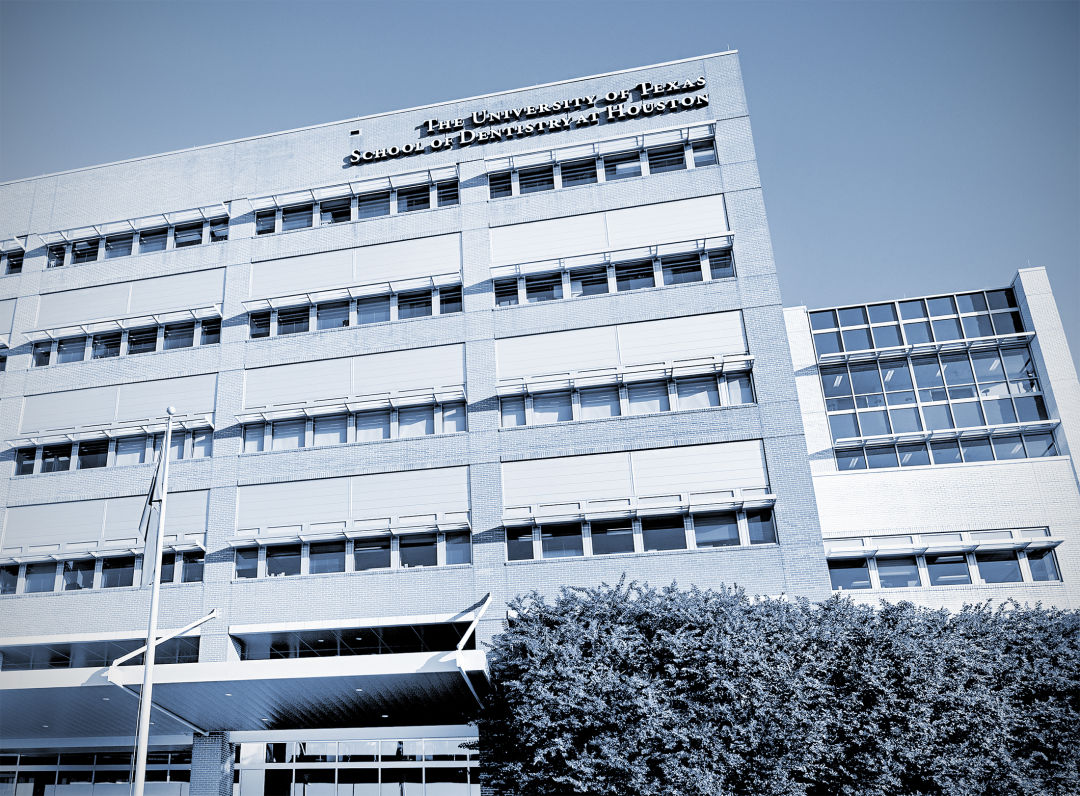
UTHealth Houston’s School of Dentistry is where many Texas dentists cut their teeth.
Just inside UTHealth Houston School of Dentistry’s doors, visitors encounter a small but meaningful historical display: a detailed timeline and video illustrating
milestones in dental history, and a mural professing its mission “to be a leader in dental education.” It’s a quiet reminder that Houston’s dental future has long been rooted in its past. The school has shaped oral health care in Texas for more than a century.
Founded in 1905 as the Texas Dental College, it was the state’s first dental school, laying the foundation for generations of dentists, hygienists, researchers, and specialists. But the institution is more than a school. It’s also a hospital and research center all in one, says Dr. John A. Valenza, a 1981 graduate and now the dean of UTHealth School of Dentistry.
Over its 120-year history, UTHealth’s Houston dental school has evolved alongside the city it calls home. It officially became part of the University of Texas system in 1943. It later adopted the name University of Texas Dental Branch in the mid-1950s—an intentional parallel to the UT Medical Branch in Galveston. In 2011, it returned to being called the School of Dentistry, Valenza says. The school relocated several times before settling in its current Astrodome-area home in 2012. Throughout these moves, it has educated generations of dental professionals, including the state’s first Black dental student and, likely, the first female dentist, Valenza adds.
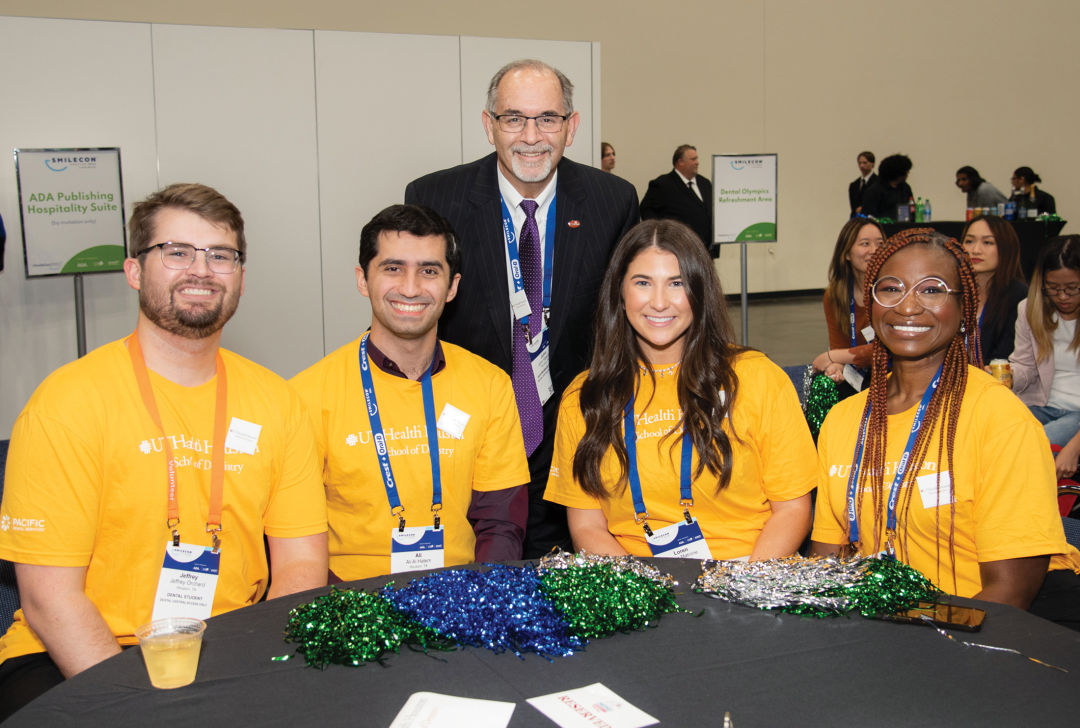
UTHealth is known for graduating generations of dentists and serving smiles for over a century.
The profession has changed dramatically since then, and UTHealth Houston’s School of Dentistry has been at the forefront of this evolution. Roughly two decades ago, the school became one of the first dental institutions in the country to adopt electronic health records. Digital X-rays soon followed, and today, the school is a leader in what Valenza calls “digital dentistry.” “If you’ve ever had a crown done years ago, you might remember having a bunch of goo put in your mouth,” he says. Today, crowns can be digitally scanned, designed, and fabricated in the same building, often on the same day.
That commitment to innovation extends into research. In recent years, the school has ranked among the top dental schools in the US for research and, in 2024, received significant grant funding, including $9 million from the National Institute of Dental and Craniofacial Research through the National Institutes of Health.
Still, the school serves as more than a space for education and advancement—it is also one of Houston’s busiest dental care centers. Inside the building, 315 dental chairs serve hundreds of patients daily, with the broader mission distilled into its six-word vision statement: “improving oral health, improving overall health.” That holistic philosophy is reflected in newer initiatives, including a clinical center for health promotion that integrates tobacco cessation, weight management, diabetes education, and on-site medical consultations.
Community care is another cornerstone. The school provides dentists and hygienists for Harris Health’s clinics across the county and partners with federally qualified health centers and the City of Houston. Its annual Give a Smile Days offer free care for children, veterans, and senior citizens. “Going one day a year…is not the way to take care of your mouth,” Valenza says, but if these events raise awareness about oral health’s connection to overall well-being, “we’re thrilled.”
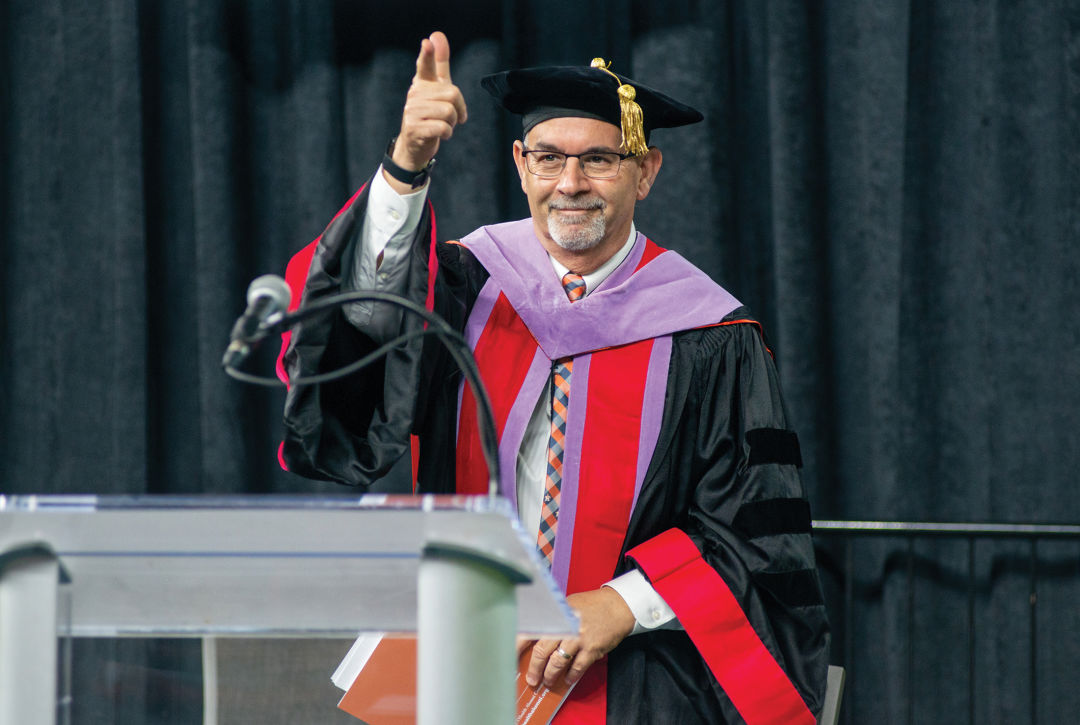
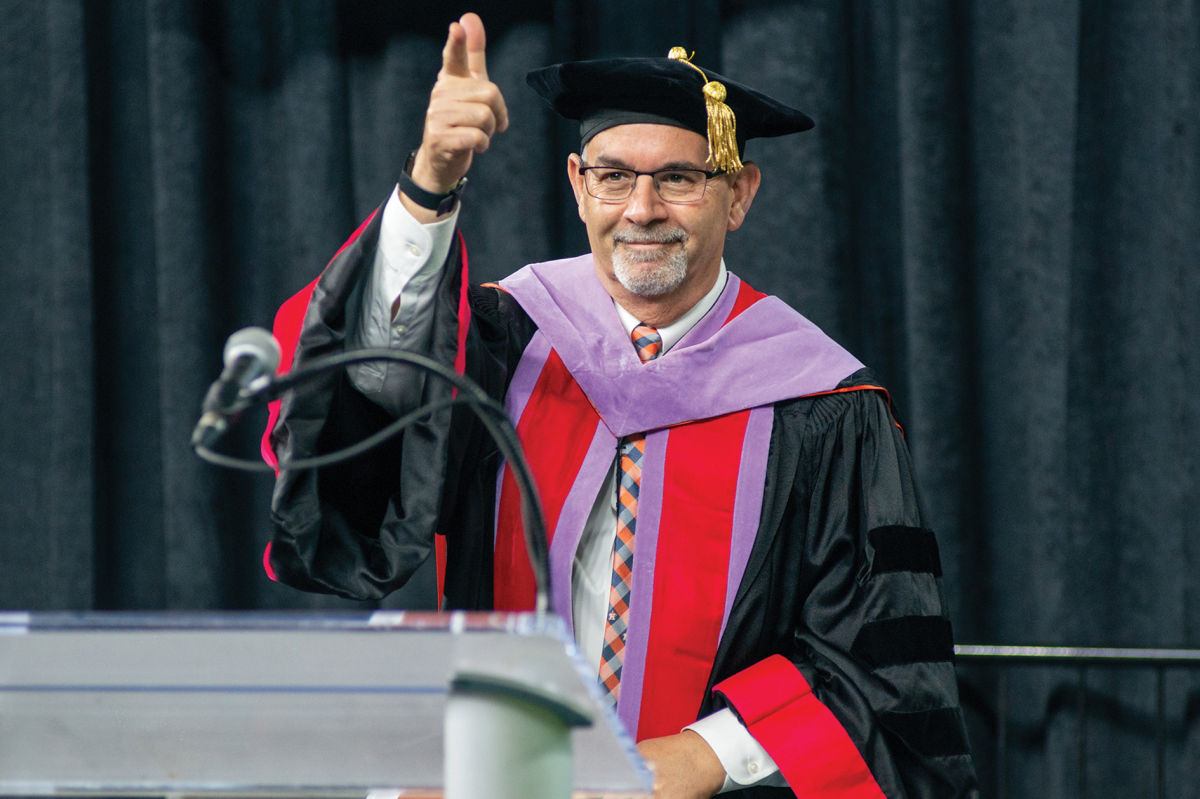
Dr. John A. Valenza is a 1981 grad.
Everyday Dental Advice from the Dean of UTHealth
Schedule prevention early and often. Preventive dentistry can save patients significant pain and expense over time. “There was an auto repair commercial, and it said, ‘Pay me now or pay me later,’” Valenza says. “The point was, bring your automobile in for regular preventive care, oil changes, all of that, or it’s going to cost you a lot more later with big-time repairs. That’s true of dentistry, too.” Annual exams and cleanings allow patients to ask questions and address minor issues before they become major ones.
Use a soft-bristled toothbrush and floss regularly. Many people assume that hard bristles clean better, but Valenza advises against them, noting they can damage gums and enamel. By contrast, nearly any floss works well, though Valenza prefers wider, flat, tape-like floss to more traditional string floss.
Be cautious with dental trends. There’s a lot of debate about toothpaste—fluoride versus nonfluoride, and whether it’s healthy to use pastes infused with charcoal or baking soda. Valenza advises people to do their research, using their dentist and the American Dental Association as a starting point. “Some claims are true, and some are not,” he says. “We just have to be careful and make sure we are thoroughly educated on the products and the known risks or benefits from them.”